How Worn Bushings Affect Ride, Alignment, and Panel Fit
Bushings in your car have to be one of the most over-looked parts. Generally we don’t pay much attention to them and it’s more of a ‘set it and forget it’ type part. Only when the fail do you ever pay attention to them. This goes for bushings in your suspension or the bushings between the body and the frame. Bushings are responsible for absorbing and isolating vibrations, controlling movement, isolating noise, and keeping things where they are supposed to be.
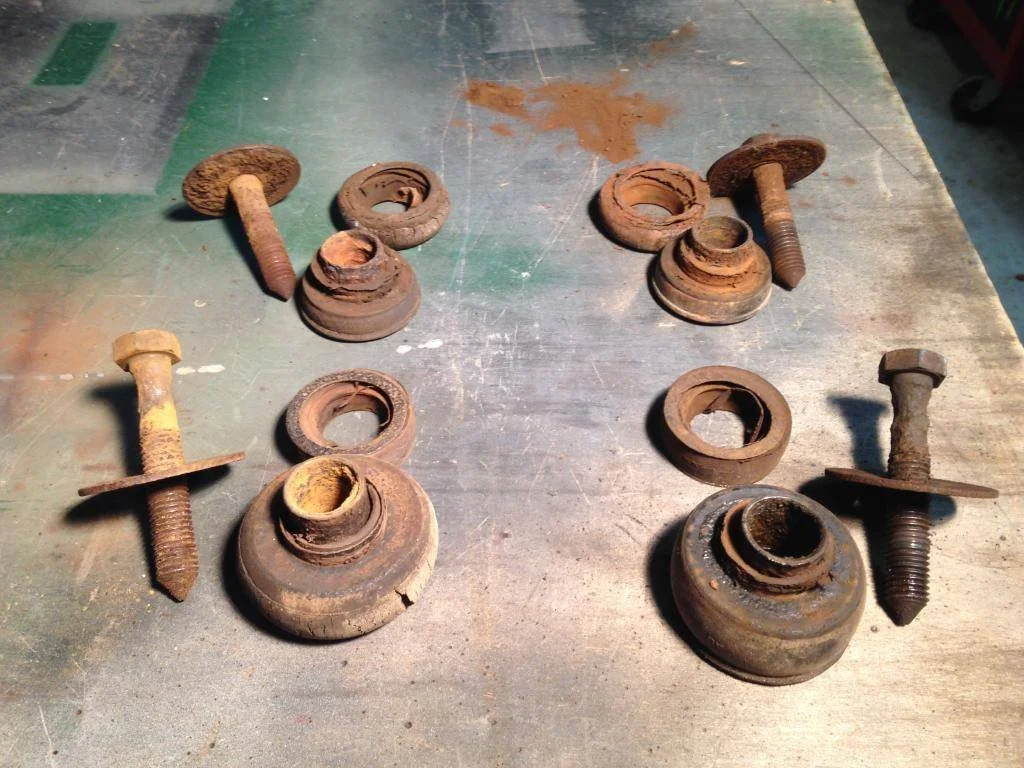
A lot of issues people chase can be blamed on bad bushings: poor alignment, steering wandering, rattles, tire wear, body panel gaps, poorly shutting doors, and even rough ride quality.
Bushing don’t usually give out all at once. They break down over years, if not decades of use. You might not notice it right away until it get severe.
What Bushings Actually Do
Bushings exist throughout the vehicle in more places than many people realize. Control arms, sway bars, leaf springs, body mounts, shock mounts, transmission mounts, steering systems, and countless other areas rely on bushings to function properly.
At their most basic level, bushings act as controlled movement points. Suspension components need some degree of flexibility as they travel through their operating range, but they also need to maintain precise positioning. Bushings provide that balance by allowing movement where it’s needed while restricting movement where it isn’t.
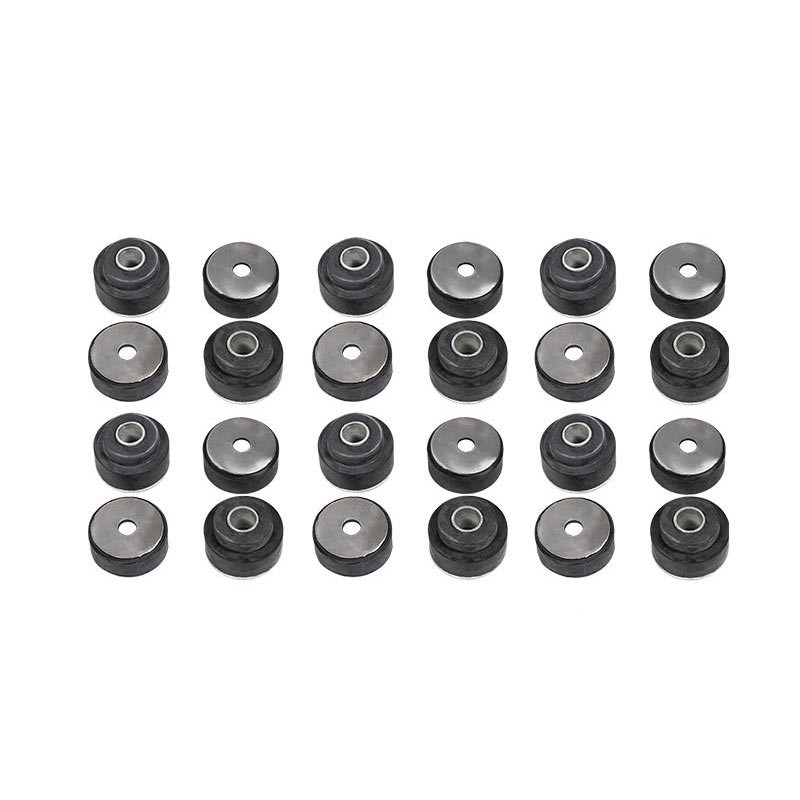
Think of them as cushions that absorb unwanted forces while keeping everything aligned. They reduce vibration transfer into the cabin, soften impacts from the road, and prevent metal components from directly contacting one another.
When new, bushings do their job almost invisibly. When worn, however, they begin allowing movement that was never intended.
How Do Worn Bushings Change Ride Quality?
One of the first areas affected by worn bushings is ride quality. Most people assume bad ride quality automatically means worn shocks or springs, but bushings can create many of the same symptoms.
As rubber ages, it loses flex and begins to crack, harden, soften, or separate entirely from its metal sleeves. Instead of absorbing vibration smoothly, deteriorated bushings allow excessive movement and transmit impacts differently through the chassis.
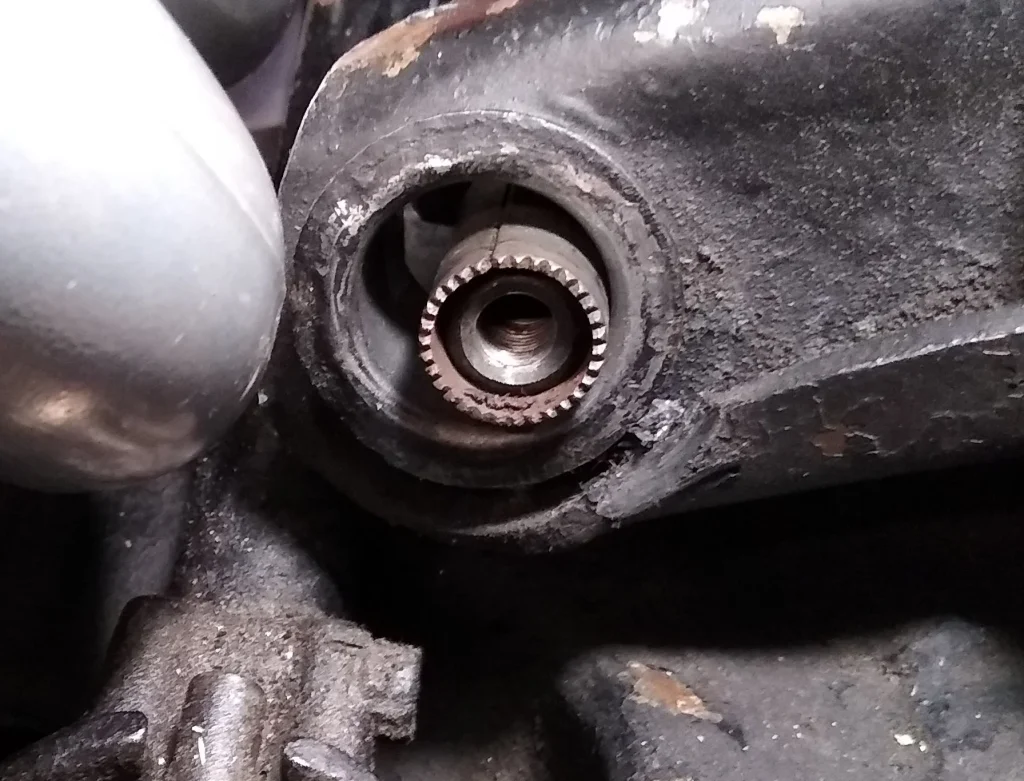
Drivers often notice a vehicle feeling looser or less controlled over bumps. Small bumps in the road that once went unnoticed suddenly become more noticeable. Clunks, rattles, and odd noises may appear when driving over uneven pavement or entering driveways.
Some vehicles develop a floating sensation at highway speeds, while others begin feeling harsh and unsettled. The steering wheel may shake more than it once did, and bumps that used to be absorbed smoothly can now feel abrupt.
The confusing part is that these symptoms frequently mimic bad shocks, springs, or steering components. Replacing those parts sometimes improves things slightly, but the root problem remains.
Tire Wear Tells the Story
Tires often become the first visible clue that bushing problems exist. Because worn bushings allow suspension geometry to move dynamically, tires no longer contact the road evenly. Instead of maintaining a stable footprint, they scrub across the pavement in ways they were never designed to.
Feathering along tread edges, cupping, uneven shoulder wear, and mysterious wear patterns often appear. Some drivers blame tire quality while others assume balancing issues or bad shocks are responsible. While those factors certainly can contribute, worn bushings frequently play a major role.
If you install a new set of tires without correcting deteriorated suspension bushings, there is a good chance the new tires will eventually develop the same problems.
Bushings and Body Panel Fit
Most enthusiasts immediately think of suspension when bushings come up, but body mounts and chassis bushings can affect something entirely different: panel fit.
Classic car owners often spend countless hours adjusting doors, fenders, hoods, and trunk lids trying to achieve perfect panel gaps. Sometimes the issue isn’t adjustment at all, it’s bushings. Body mount bushings separate the vehicle body from the frame. Over time these bushings compress, crack, and collapse. As they deteriorate, the body can physically shift position relative to the frame.
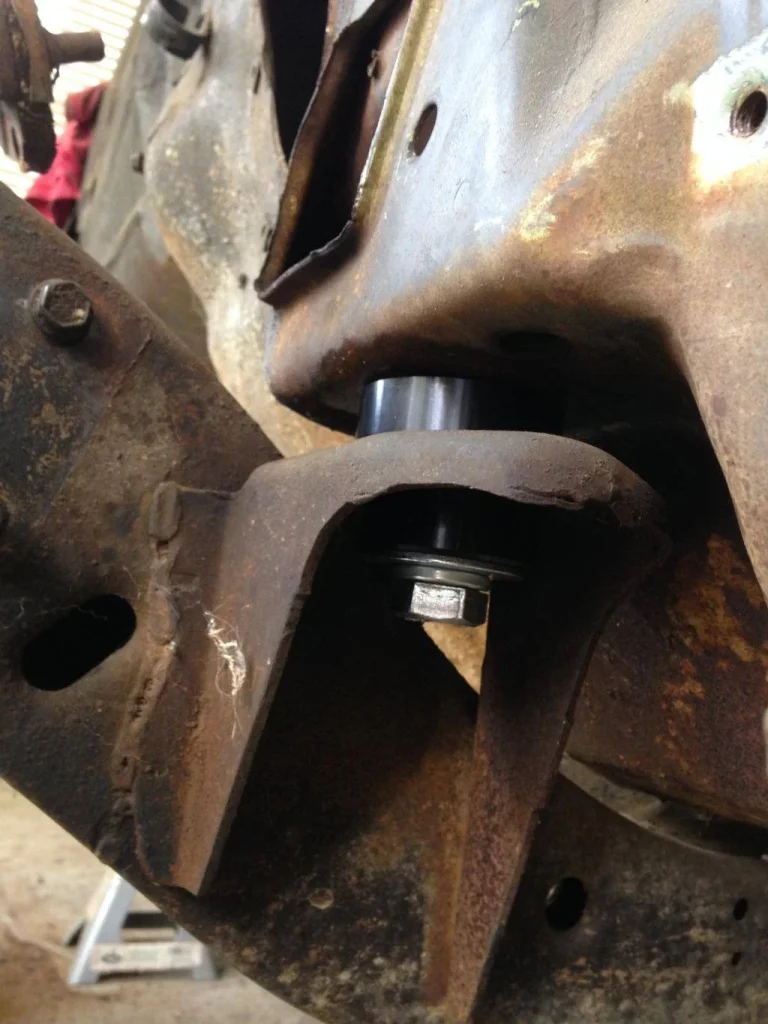
With bad body bushings, doors become harder to close and hood gaps become uneven. Fenders no longer align properly and trunk lids shift slightly off center. Owners often begin loosening panels and adjusting hinges to compensate without realizing they’re trying to correct a moving target.
This becomes particularly common on older body-on-frame vehicles like classic GM muscle cars, trucks, and full-size cars. Replacing worn body mount bushings can help panel alignment without touching the sheet metal itself.
It’s not unusual for a vehicle to suddenly have improved door fit and more consistent panel gaps after new body mounts are installed.
Rubber vs. Polyurethane Bushings
Once replacement time comes around, owners often face another decision: rubber or polyurethane bushings.
Rubber bushings, like those from Energy Suspension, generally provide better isolation from noise and vibration. They offer a smoother ride and maintain a more factory-like feel.
Polyurethane bushings are firmer and reduce deflection significantly. Less movement means more precise suspension control and improved steering response. However, that additional stiffness can also transfer more vibration and harshness into the cabin.
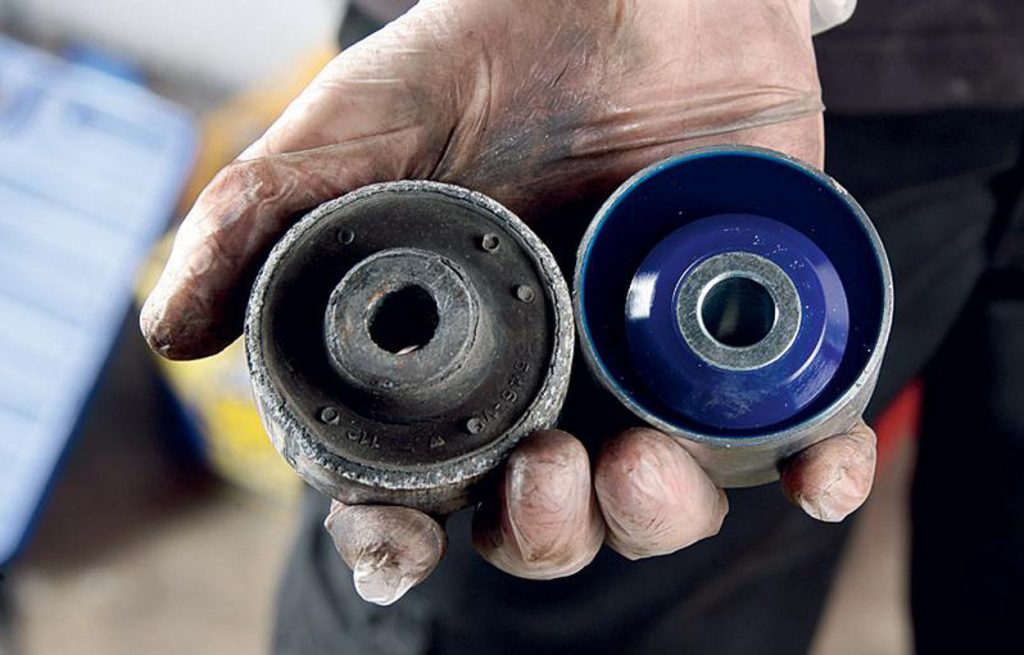
For a daily-driven classic cruiser, many owners prefer rubber for comfort. For pro touring builds, autocross cars, and aggressive street applications, polyurethane often becomes the preferred choice because of improved responsiveness. Neither option is universally better. The intended use of the vehicle matters far more than the material itself.
If you need new suspension or body bushings for your classic GM vehicle, hop on SS396.com or give our friendly techs a call at (203) 235-1200!