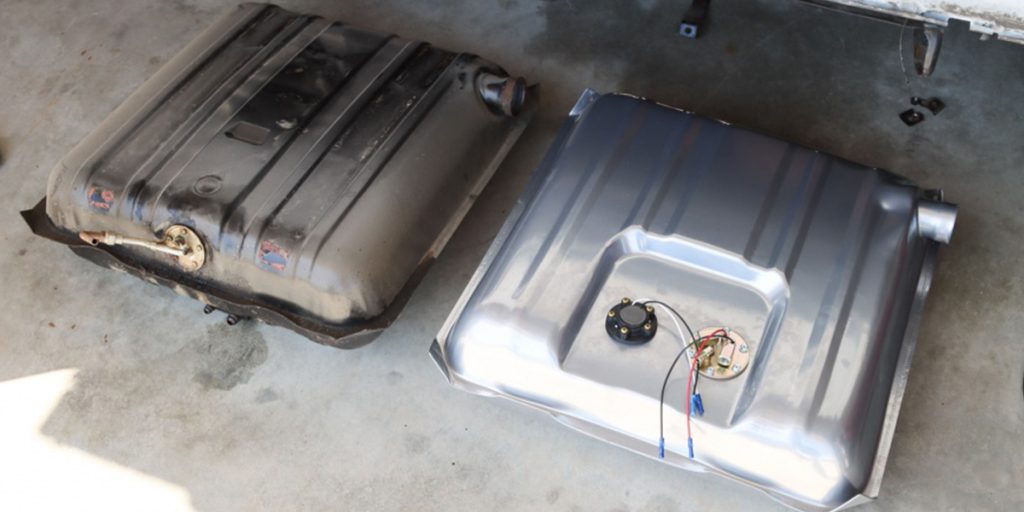
When upgrading a classic Chevrolet to electronic fuel injection, the fuel delivery system requires a complete overhaul to meet the demands of high-pressure, continuous-flow EFI. Carbs operate on a low-pressure mechanical pump delivering between 4 and 7 PSI, whereas modern fuel injection systems demand a steady supply of 43 to 58 PSI or higher. Accomplishing this transition leaves builders with decision of modifying an original or reproduction stock gas tank with an internal fuel pump module, or replacing the unit entirely with an aftermarket, EFI-ready fuel tank. Both options have their pros and cons, and choosing the right setup depends on a balance between budget, installation ease, and performance goals.
Modifying Stock Gas Tanks
The Setup and Advantages
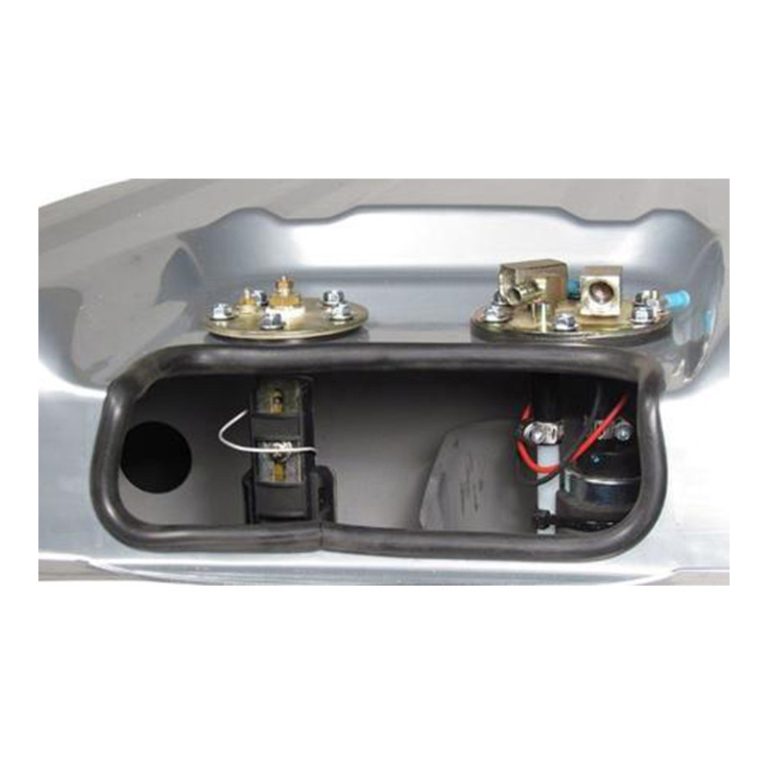
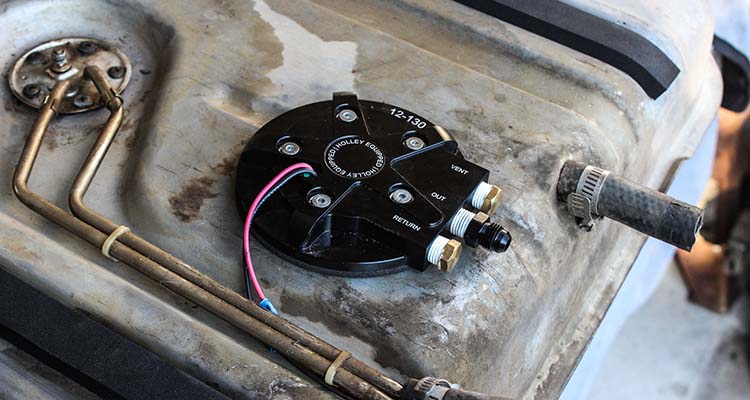
Modifying a stock or factory-style reproduction gas tank typically involves retrofitting an in-tank fuel pump assembly or sumping the original unit. Modern drop-in pump modules feature built-in fuel reservoirs and internal baffling, requiring a hole to be cut into the top of the metal tank where the module clamps securely with a ring or flange.
The primary advantage of this route is cost-efficiency and retaining stock packaging. Modified stock tanks preserve the vehicle’s original mounting points, factory filler neck position, and exterior appearance under the trunk floor. This allows the car to retain a factory-correct visual profile from the rear while utilizing off-the-shelf fuel lines and existing strap locations. Furthermore, if an original tank is clean and free of corrosion, using a universal drop-in pump assembly allows you to select from a variety of aftermarket fuel pumps to suit exact horsepower and fuel volume requirements.
The Drawbacks and Limitations
However, retrofitting a stock gas tank carries several technical downsides that become apparent under hard driving conditions. Original factory tanks were designed for low-pressure carbureted applications, meaning they lack the deep internal baffling necessary to keep fuel sloshing away from the pump inlet during cornering, hard acceleration, or low-fuel scenarios. If the fuel sloshes away from the pump pick-up for even a split second, high-pressure EFI systems instantly lose rail pressure, causing engine hesitation, lean spikes, or severe misfires.
Additionally, modifying an old, used steel tank presents safety risks related to trapped fuel vapors during cutting and drilling, along with the potential for rust or debris to ruin brand-new high-pressure injectors. While drop-in modules with mini-baffling trays help mitigate fuel starvation, they cannot match the structural slosh control built into a modern purpose-built tank.
Purpose-Built Aftermarket EFI Tanks
The Advantages and Performance
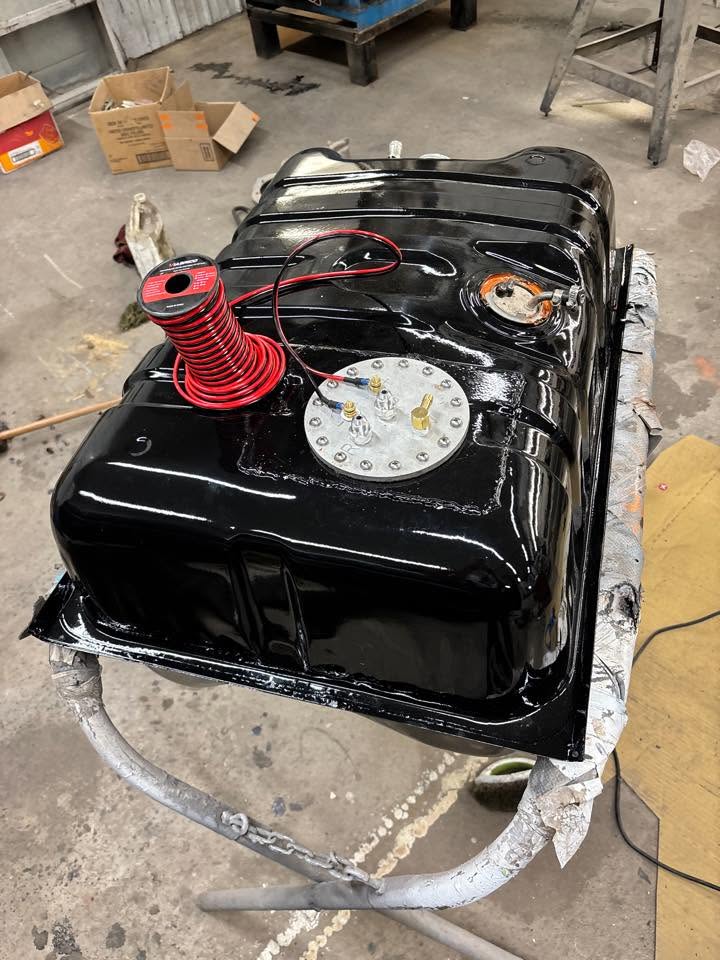
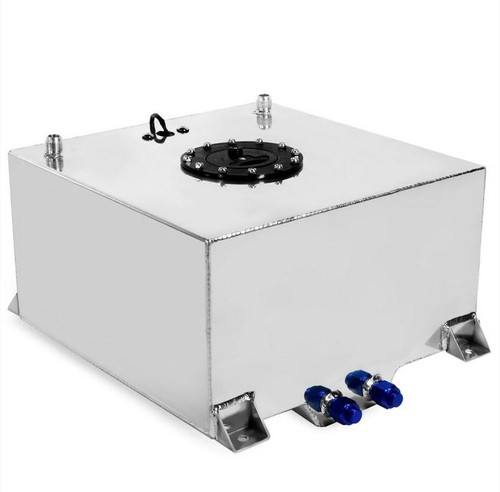
Aftermarket EFI-ready fuel tanks, on the other hand, are engineered from the ground up specifically for high-pressure fuel injection systems. These tanks feature engineered internal baffles, integrated fuel collection trays, and dedicated recessed pump mounting surfaces.
The biggest advantage of an aftermarket unit is superior fuel control and reliability. The internal baffling traps fuel around the pump pickup point, ensuring an uninterrupted high-pressure fuel feed even when taking sharp turns or accelerating hard with less than a quarter-tank of gas. Additionally, most aftermarket EFI tanks feature a recessed top pocket for the fuel pump and sending unit, providing vital clearance for fuel line fittings and wiring harnesses so they do not pinch against the underside of the vehicle’s trunk floor.
The Cost and Fitment Challenges
The main drawback to aftermarket EFI gas tanks is higher upfront cost and potential fitment challenges. Quality aluminum, stainless steel, or specialized stamped-steel EFI tanks represent a larger initial investment compared to a basic drop-in retrofit kit.
Depending on the brand and overall capacity, some aftermarket tanks may also alter the original filler neck angle, require custom mounting straps, or hang slightly lower than the factory tank, which can impact ground clearance or visible aesthetics on low-riding classic Chevy builds. Furthermore, high-performance aftermarket tanks often use proprietary pump mounting rings or integrated pump modules, which can limit replacement options to specific manufacturer components rather than standard off-the-shelf pumps found at local auto parts stores.
The Happy Medium
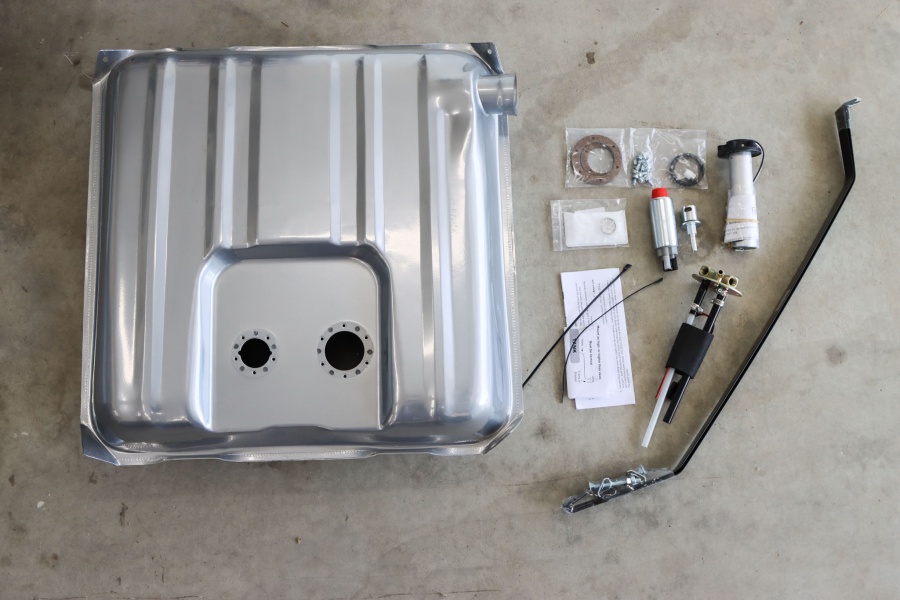
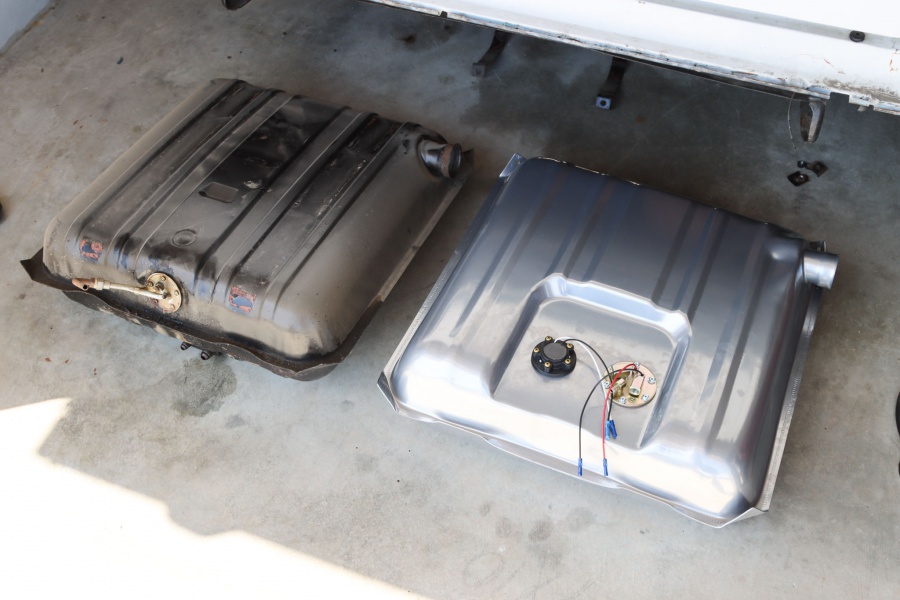
Adding fuel injection to classic cars has become so popular it’s almost the norm. With that the options for fuel systems has greatly increased. One of the best and easiest ways to add high-pressure fuel injection set up is to use one our Holley EFI tanks. These tanks are stamped and look original while even using the factory filler. But they have a recessed area on top for a high-pressure fuel pump, along with a baffle to help ensure the fuel pump is always submerged.
Making the Right Choice for Your Build
Ultimately, deciding between a modified stock gas tank and an aftermarket EFI tank comes down to how the car will be driven and the project budget. For a cruiser or mild street build operating on a tight budget, modifying a stock tank with a quality baffled in-tank module offers a cost-effective way to get high-pressure fuel to the engine while maintaining a factory look.
For high-horsepower applications, pro-touring builds, autocross competitors, or cars that will see spirited driving with low fuel levels, the built-in baffling, recessed mounting, and peace of mind provided by an aftermarket EFI gas tank make it the superior long-term investment.
If you need help deciding which way to go, or need the parts to make it happen – hop on SS396.com or give our friendly techs a call at (203) 235-1200!