If you spend enough time around car shows, cruise nights, or swap meets, you’ll hear the debate eventually. Is it better to buy a car that’s already restored, or should you start with a project and restore it yourself? There isn’t a universal right answer. The smarter move depends on your personality, your time, your budget, your workspace, and what you ultimately want out of the car.
The Case for Buying a Restored Car
There’s something undeniably appealing about handing over a check, turning the key, and driving home in a finished car. When you buy a properly restored vehicle, you skip years of teardown, parts hunting, machine shop delays, backordered components, and late nights chasing wiring gremlins.
One of the biggest advantages of buying a restored car is time. A full restoration can easily stretch into multiple years, even for experienced builders. Life gets in the way. Work deadlines, family commitments, budget pauses and projects stall. Buying finished means you get immediate enjoyment. You can cruise this weekend instead of dreaming about cruising three summers from now.
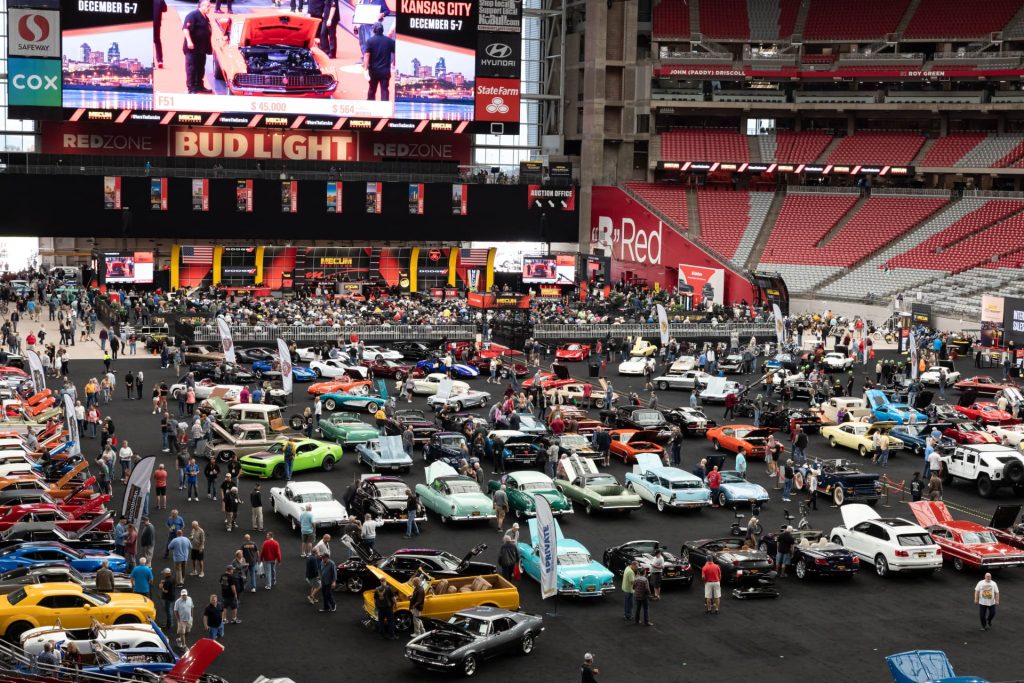
Surprisingly, buying completed can also be financially smarter. Most restorations cost more than the finished car will ever bring on the open market. Labor, bodywork, paint, interior, chrome, machine work, and countless small parts add up quickly. Even when you do much of the labor yourself, the parts bill alone can exceed the market value of the car. When you buy someone else’s completed project, you’re often purchasing it for less than what they invested.
Stress is another factor. Restorations test patience. There are setbacks, unexpected rust, cracked blocks, hidden body filler, and “while I’m in there” upgrades that snowball the budget. Buying done means someone else absorbed those headaches, in theory at least.
There’s also the practical side. Not everyone has a garage, a lift, a welder, or space to disassemble a car for months at a time. A restoration requires storage for parts, room for sanding and painting, and a tolerance for clutter. If you live in a tight neighborhood or HOA environment, a long-term project can become a problem.
Buying Restored Isn't Risk-Free
You rarely get exactly what you would have built. Maybe it has the wrong color interior, the wrong camshaft, the wrong wheel choice, or an automatic when you wanted a manual. You’re inheriting someone else’s vision. If their taste doesn’t align perfectly with yours, compromises are inevitable.
There’s also the issue of quality. Just because a car looks finished doesn’t mean it was restored correctly. Paint can hide poor bodywork. Fresh undercoating can conceal rust repair shortcuts. Wiring can look tidy but be poorly executed. Unless you know how to evaluate the work or you bring someone who does, you’re trusting that the builder cut no corners.
And availability can limit your options. You may have to travel or ship a vehicle to get exactly what you want. The perfect car might not be within driving distance.
The Case for Restoring It Yourself
Building a car from the ground up offers something money can’t easily buy: ownership of the process. When you restore a vehicle yourself, every decision reflects your vision of that car. Paint color, drivetrain, suspension setup, wheel fitment, interior materials, that’s all your vision.
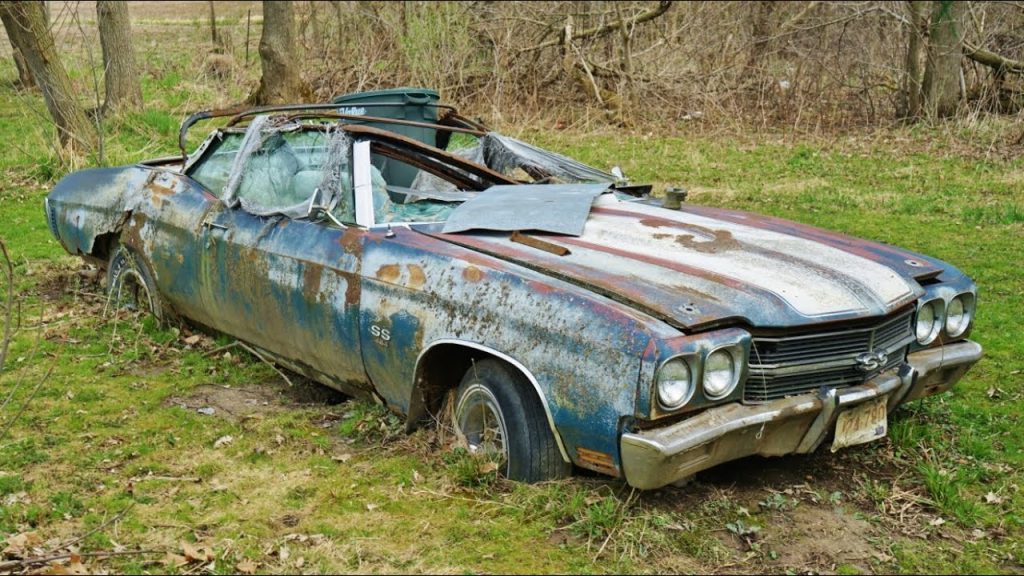
That level of control matters to a lot of enthusiasts. A finished car built by someone else can feel like wearing a tailored suit that was measured for a different person. It might fit well, but it’s not custom to you.
The process itself can be deeply rewarding. For many enthusiasts, the garage time is just as meaningful as the drive time. Tearing down an engine, learning to weld, dialing in suspension geometry, and solving mechanical problems builds knowledge and confidence. It becomes a hobby, not just transportation.
Restorations can also become family experiences. Kids learn mechanical skills and friends come over to help install an engine or bleed brakes. The project becomes a shared story of trials and tribulations. Years later, the car isn’t just metal and rubber, it represents memories.
Restoring Yourself Tradeoffs
Restorations almost always take longer than expected. Even disciplined builders underestimate timelines. Parts delays alone can stall progress for months. Machine shops get backed up. Upholstery shops run behind schedule. Paint and bodywork rarely move quickly. The car can sit disassembled longer than you’d like. You get the picture.
Cost creep is real concern as well. Even if you start with a reasonable budget, upgrades accumulate. Better suspension, upgraded brakes, new wiring harness or maybe upgrading engine internals while it’s apart. It’s common for a “simple refresh” to evolve into a near-frame-off build.
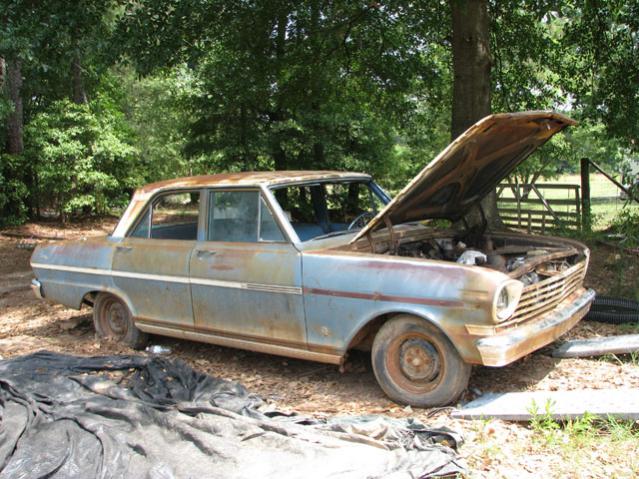
There’s also the learning curve. If you lack experience, you’ll need to find specialists for bodywork, paint, machine work, upholstery, or tuning. Coordinating those shops takes time and organization and quality varies. Finding the right people can be half the battle.
Space and infrastructure matter too. A full restoration requires room for disassembly, safe storage for parts, and the ability to keep the car immobile for extended periods which not everyone has that flexibility.
Risk vs. Control
Buying completed shifts risk to evaluation. You’re betting that the previous builder did quality work. Restoring yourself shifts risk to execution. You control decisions, but you also carry responsibility for mistakes.
Financially, buying finished often wins on paper. Emotionally, restoring yourself often wins in memory.
The right answer depends on what you value more: driving or building.
If you want immediate seat time, minimal disruption to daily life, and a predictable path to enjoyment, buying a finished car is usually the smarter choice. If you want the car to reflect your exact vision and you enjoy the journey as much as the destination, a restoration can be deeply satisfying despite the headaches.
A Practical Middle Ground
There’s also a hybrid path worth considering: buying a solid, partially completed car. A vehicle with good paint and body but needing mechanical upgrades. Or a running, driving car that needs cosmetic refinement. This can reduce the overwhelming workload while still allowing you to build it to how you want.
It limits downtime and spreads costs over time. You can drive while you improve it. For many enthusiasts, that balance offers the best of both worlds.
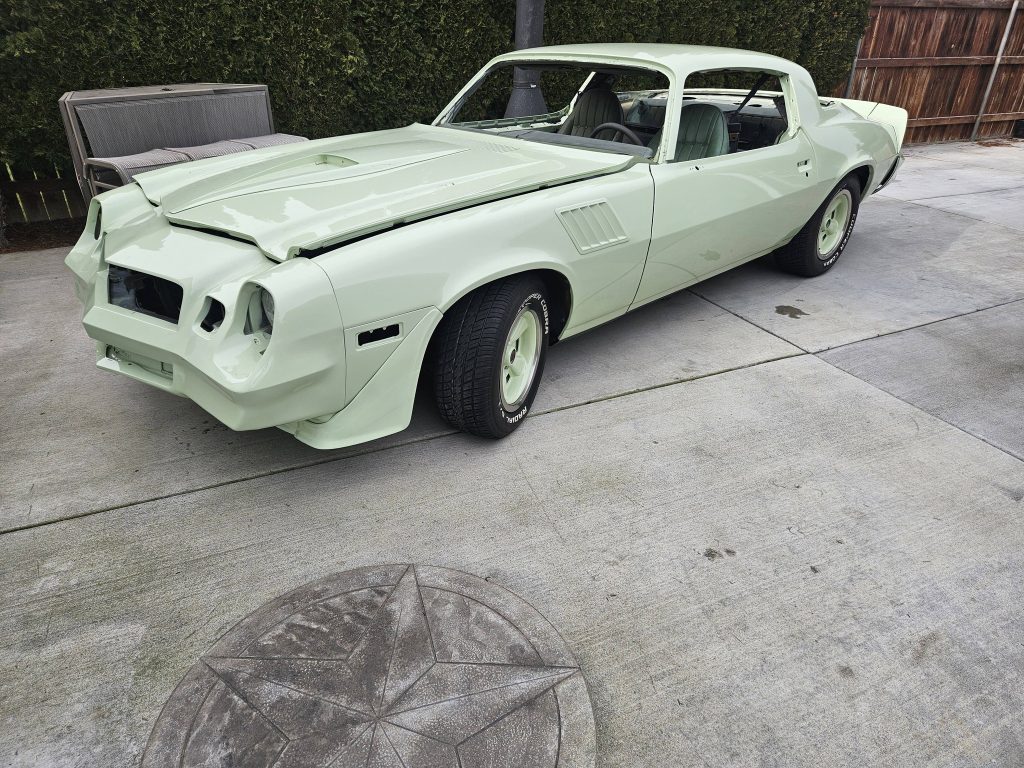
If your goal is to maximize driving time and minimize stress, buying completed is hard to argue against. If your goal is to create something uniquely yours and enjoy the hands-on experience, restoring it yourself delivers rewards that can’t be purchased.
In the end, a classic car isn’t just about horsepower or resale value. It’s about the story behind it. You just have to decide whether you want to inherit someone else’s story or write your own.
No matter what path you choose, we are here to help with a full line of parts or just friendly advice. Give our techs a call at (203) 235-1200 or hop on SS396.com