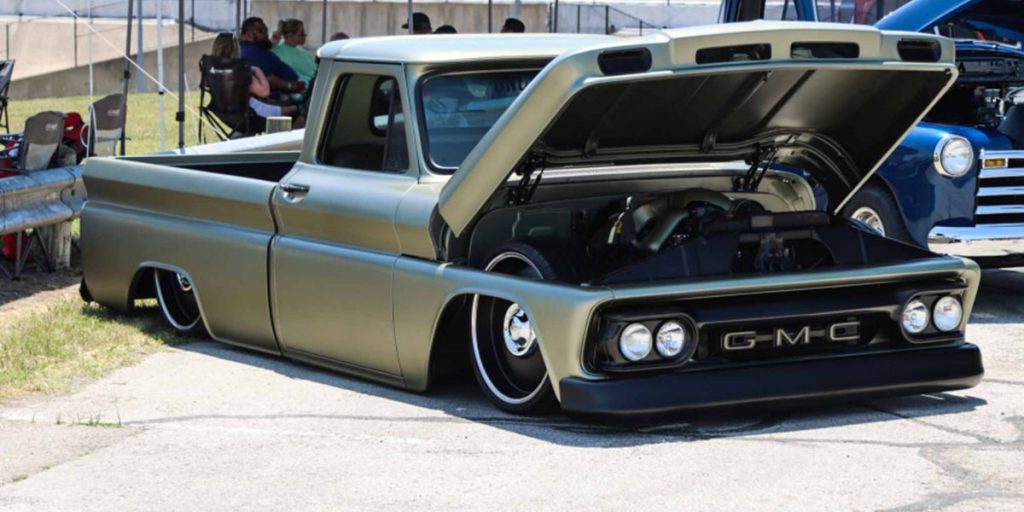
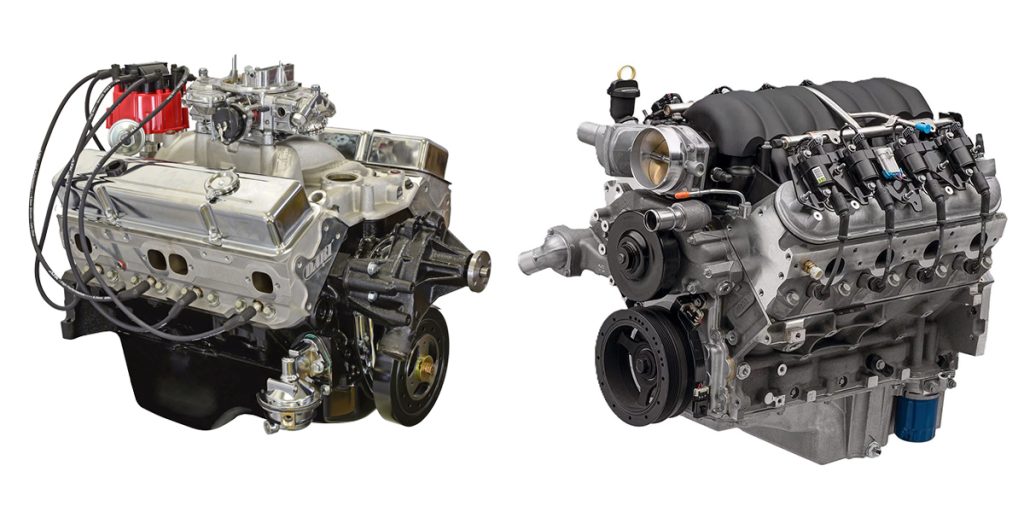
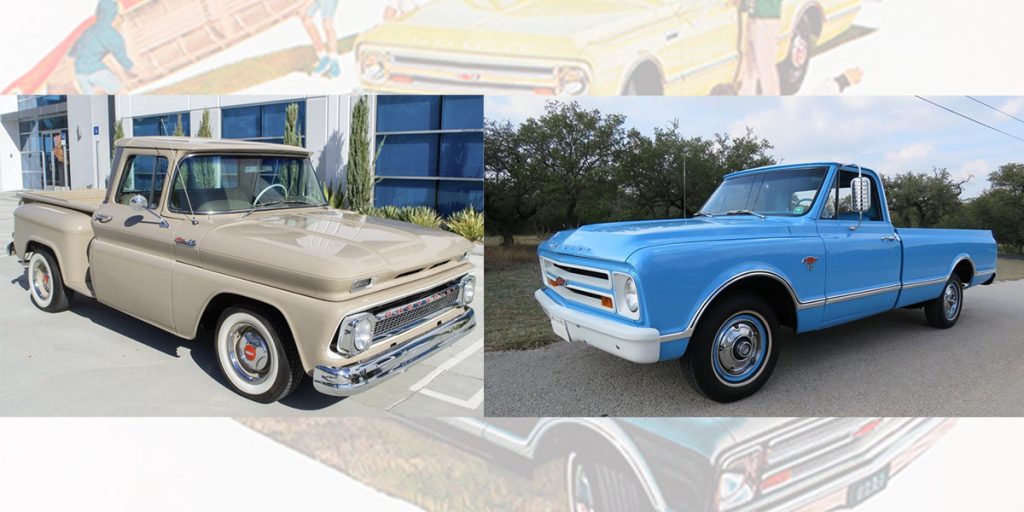
If you’ve spent any time around classic GM trucks, you’ve probably heard it before: “Chevy and GMC are basically the same truck.” That’s… mostly true, but not entirely.
From 1960 through 1987, Chevrolet and GMC trucks shared platforms, body panels, and drivetrains. But depending on the year, there were real differences in branding, trim, features, and even engines that set them apart.
Understanding those differences matters—especially if you’re restoring, buying, or building one.
1960–1966 Chevy vs GMC: Early Identity Differences
In the early 1960s, Chevy and GMC trucks had more separation than they would in later years. While they shared basic body structures, GMC still carried a more independent identity. It was marketed toward commercial users and fleet buyers, which influenced both its engineering and presentation.
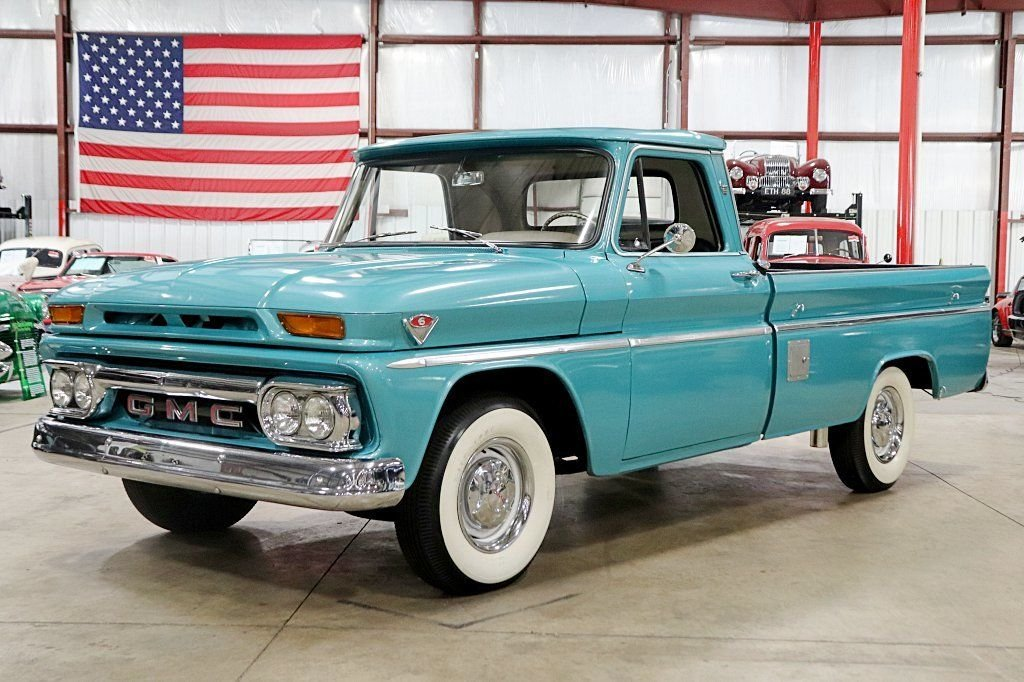
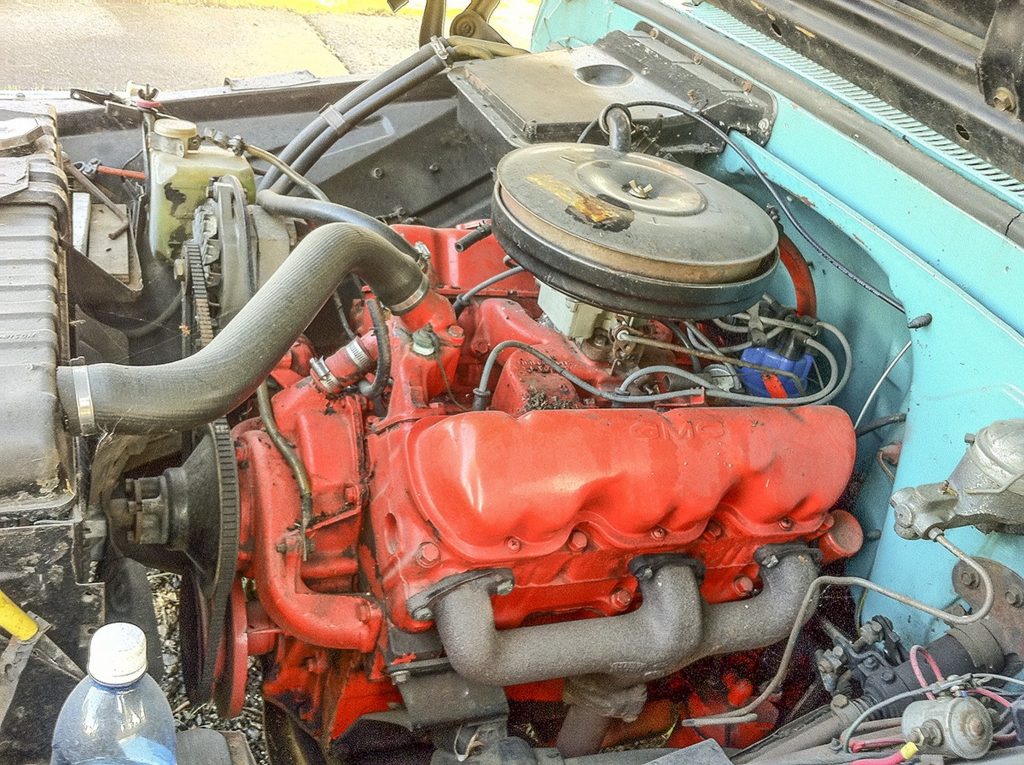
One of the biggest differences during this period was under the hood. GMC offered its own line of V6 engines, designed with torque and durability in mind, while Chevrolet leaned on its inline-six engines and the increasingly popular small-block V8. That alone made GMC trucks mechanically distinct in a way that would not continue into later decades.
Inside and out, GMC trucks tended to feel more utilitarian, while Chevy trucks offered more trim options and broader appeal for personal use. Chevrolet positioned itself as the more accessible, consumer-friendly brand, and that approach showed up in everything from interior appointments to dealer reach.
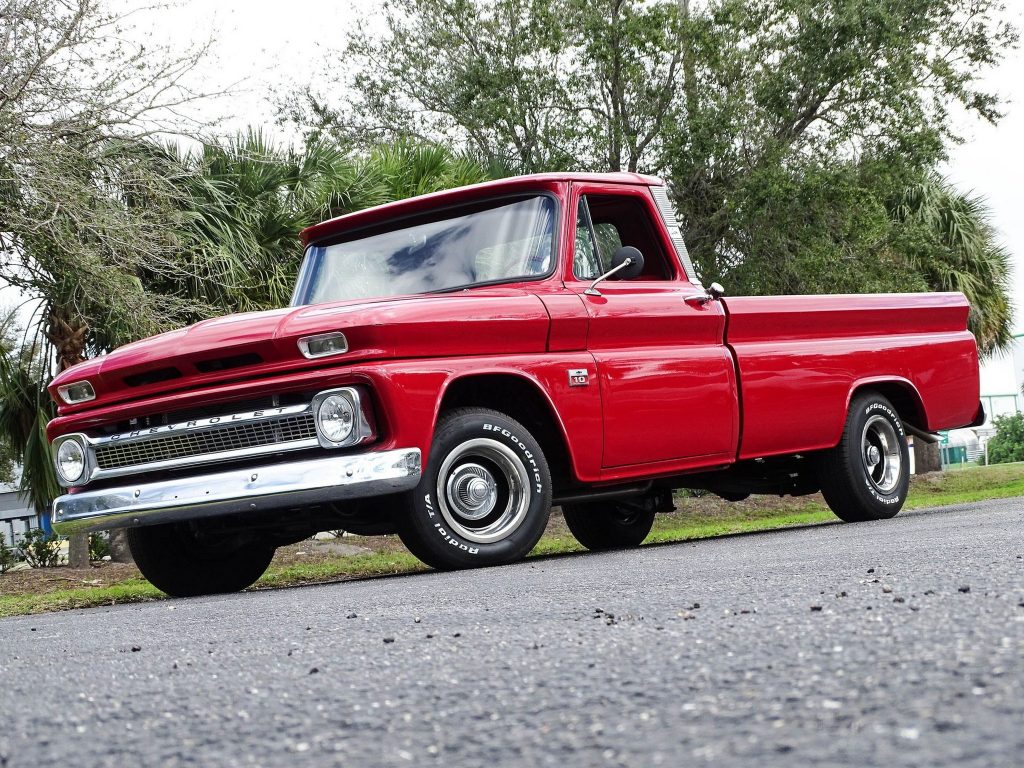
1967–1972: Converging Platforms
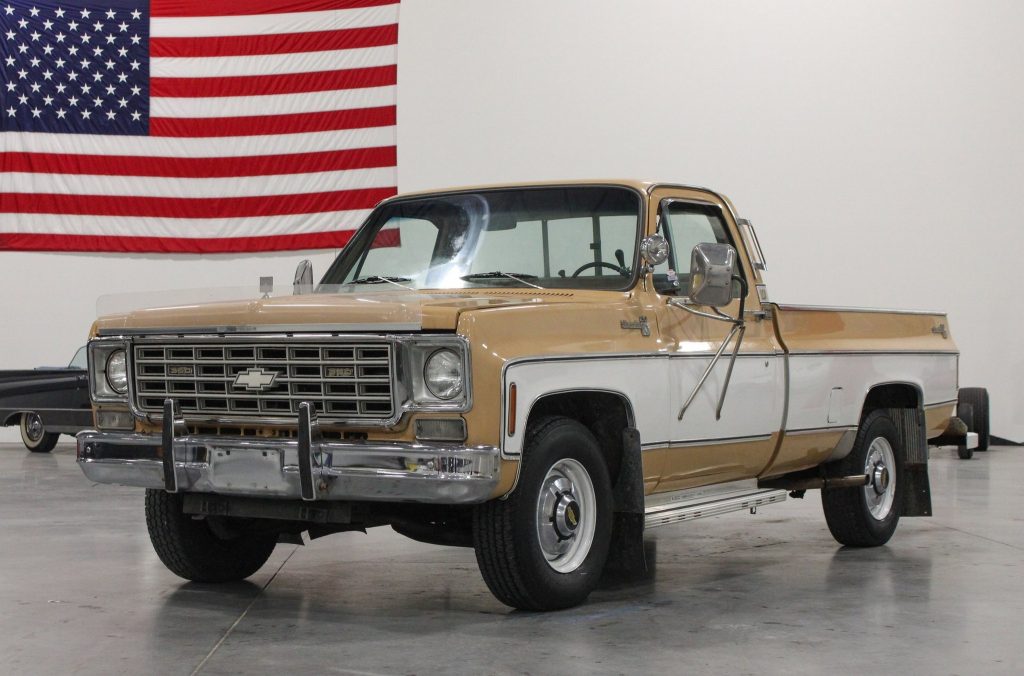
By the late ’60s, the gap between the two brands had narrowed significantly. With the introduction of GM’s redesigned trucks in 1967, Chevy and GMC became much closer to one another in both form and function.
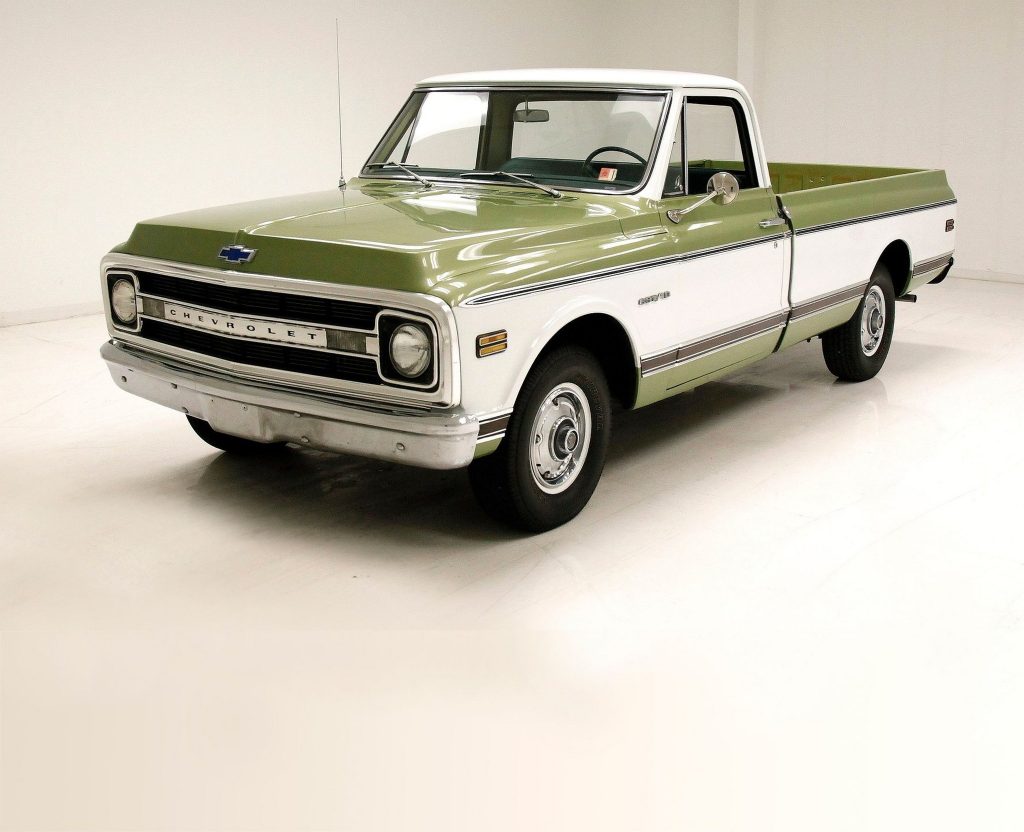
The cab, bed, and chassis were now essentially identical. Drivetrain options also aligned, with both brands primarily using Chevrolet engines. The days of GMC’s unique engine lineup were largely behind it.
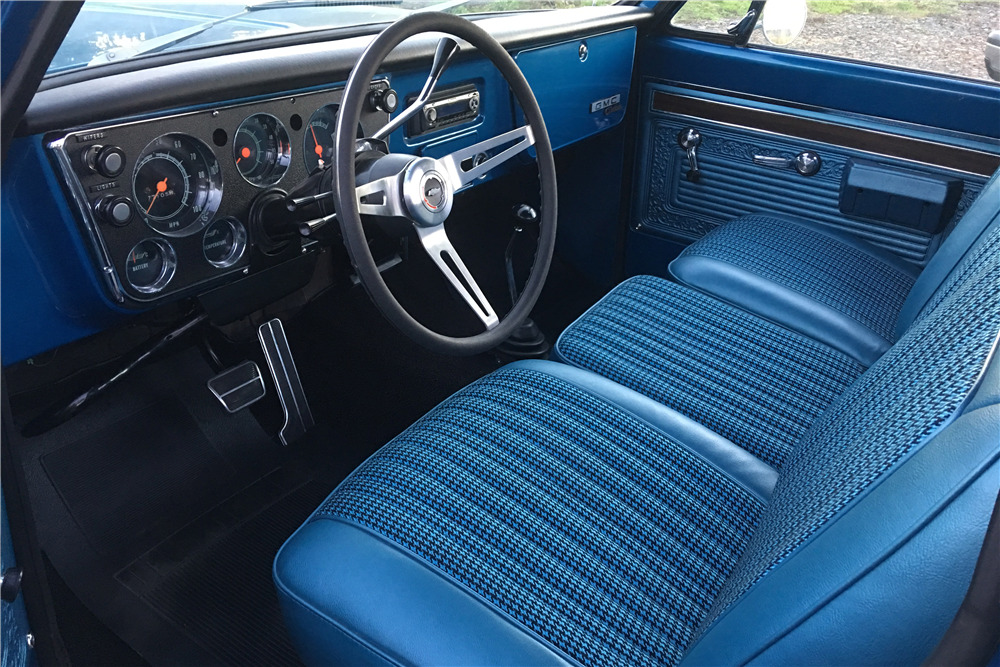
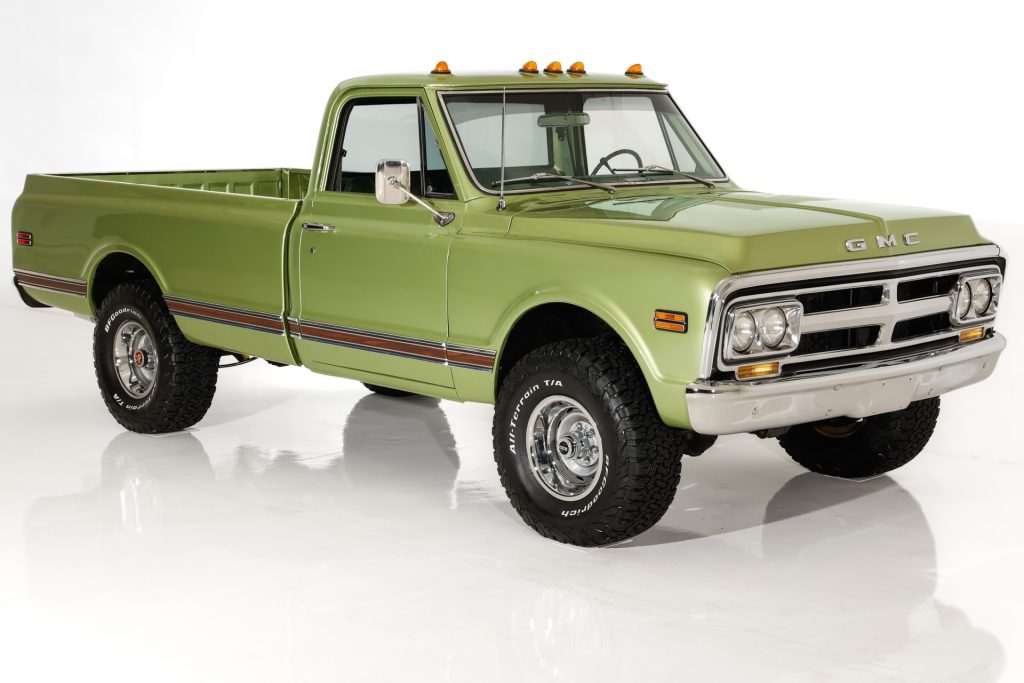
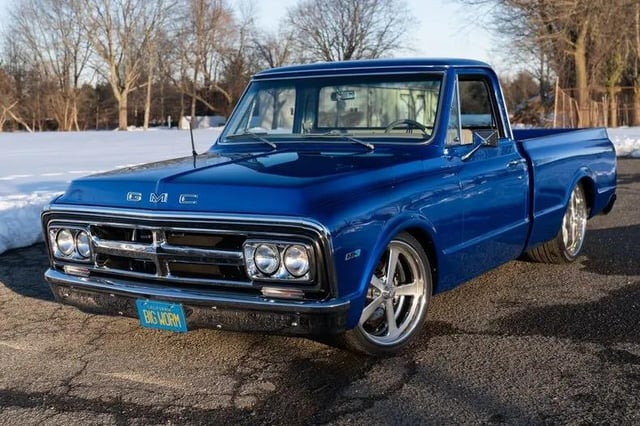
From this point forward, most of the differences came down to appearance and branding. Each brand maintained its own grille design and badging, and trim levels carried different names, but the underlying truck was the same. For many buyers, the choice between Chevy and GMC became less about engineering and more about preference.
1973–1987: The Squarebody Era
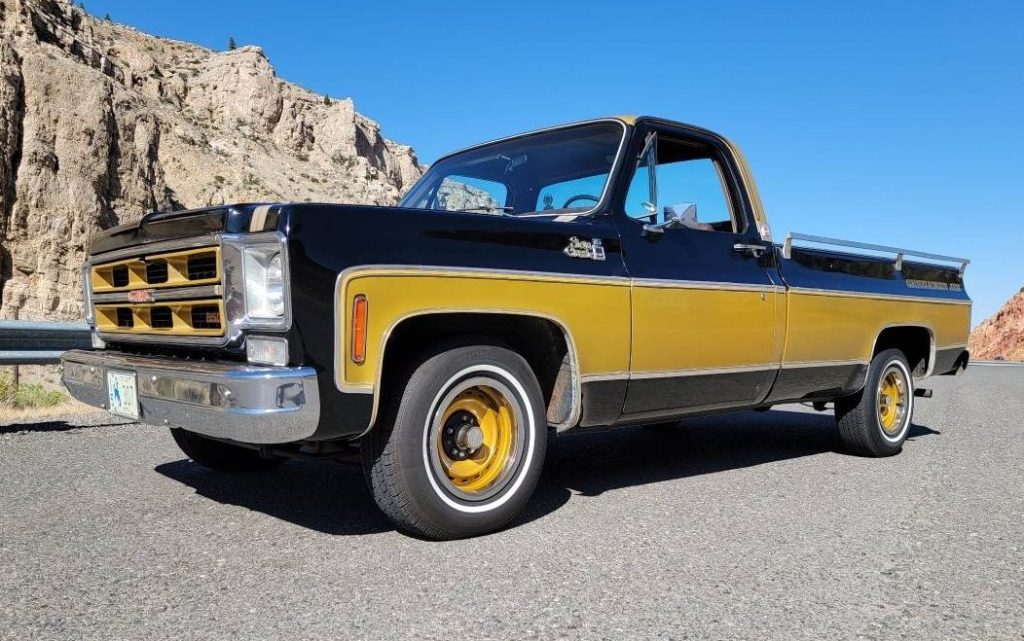
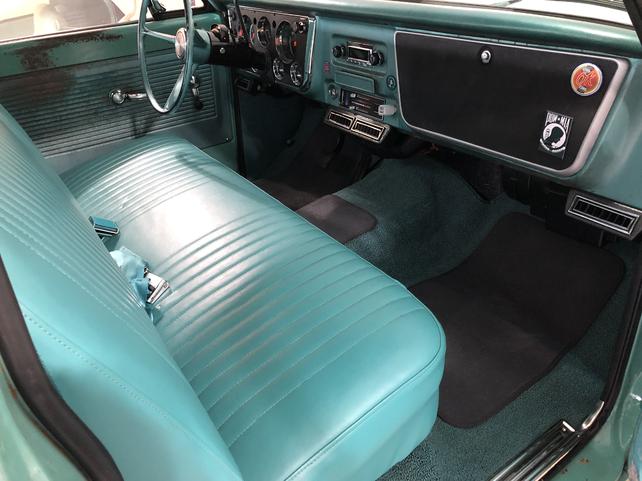
The squarebody generation is where the “same truck” argument is strongest. By this point, Chevrolet and GMC trucks were nearly identical in every structural and mechanical sense. The frame, suspension, cab, and drivetrain were shared across both brands, and parts interchangeability became the norm.
What separated them was presentation. Chevrolet trucks typically featured simpler, more straightforward grille designs, while GMC leaned into a slightly more refined look. The difference wasn’t dramatic, but it was intentional. GMC continued to position itself as a more premium alternative, even though the core product remained the same.
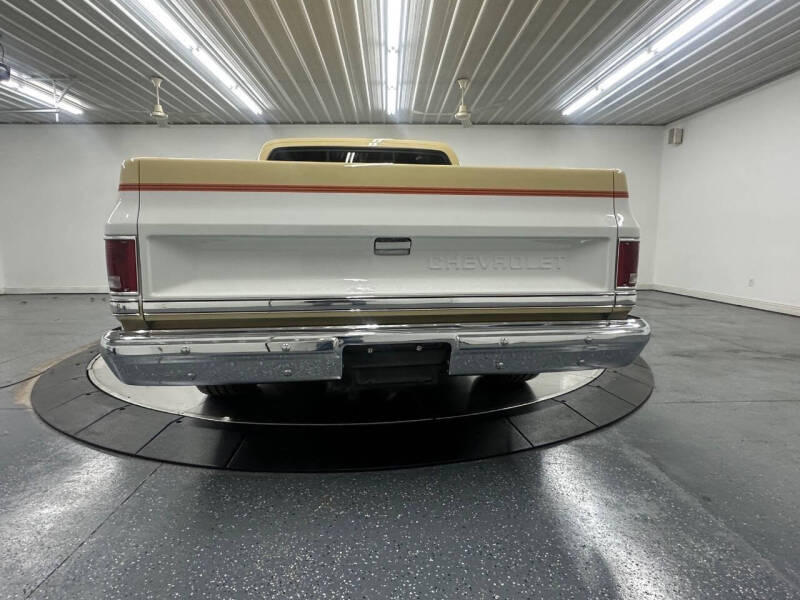
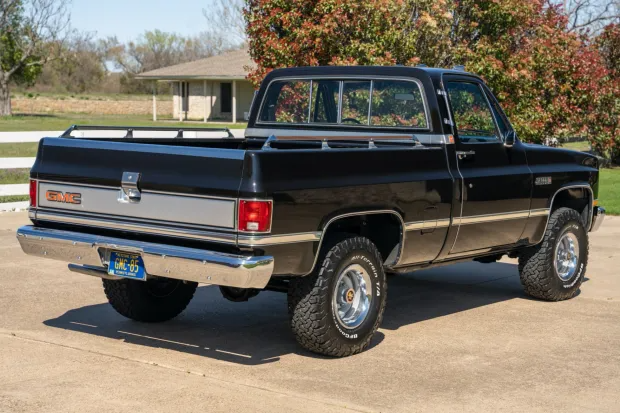
Trim levels reinforced that perception. Chevrolet offered trims like Custom Deluxe, Scottsdale, and Silverado, while GMC used names like Sierra, Sierra Grande, and Sierra Classic. In many cases, GMC trims included slightly upgraded materials or features, but the differences were incremental rather than transformative.
Inside the cab, the layout and structure were identical, but GMC often carried a more upscale feel depending on the trim. Still, anyone familiar with these trucks knows that you’re fundamentally working with the same platform regardless of the badge.
What Actually Sets Them Apart
Looking across the entire 1960–1987 range, the real differences fall into a few categories. Early on, GMC’s use of its own engines created a legitimate mechanical distinction. After the mid-1960s, that difference largely disappeared, and the focus shifted to styling, trim levels, and branding.
Grilles, emblems, and trim names remained unique to each brand, and GMC consistently held a slightly more premium position in the market. However, the core architecture of the trucks—what really determines how they drive and perform—was shared.
What It Means Today
For builders and enthusiasts, the similarities between Chevy and GMC trucks are a major advantage. Most parts interchange easily, and the aftermarket treats them as the same platform. That makes sourcing components straightforward, especially compared to vehicles with more fragmented designs.
For restorers, the differences matter more. GMC-specific trim pieces, especially grilles and badging, can be harder to find and sometimes more expensive. Chevrolet parts are generally more abundant, which makes them a bit more affordable.
From a buyer’s perspective, the decision often comes down to condition, originality, and personal preference rather than brand. While GMC trucks may carry a slightly different perception, the driving experience and underlying hardware are largely identical.
If you need any help or parts for your classic Chevy or GMC truck, hop on SS396.com or give our friendly techs a call at (203) 235-1200!