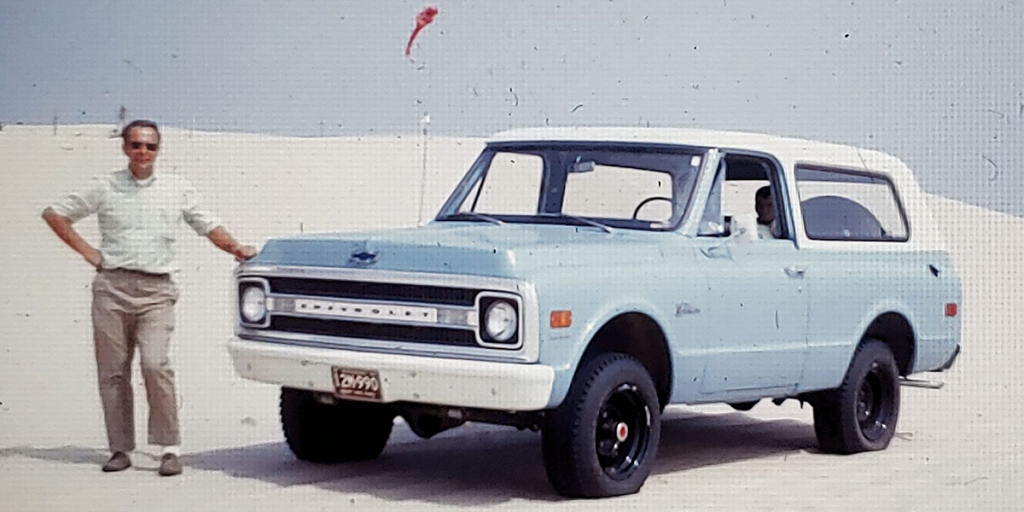
Blazer First Generation: 1969–1972 “Full Convertible Era”
When General Motors introduced the Chevrolet K5 Blazer in 1969, it was a calculated shift from what the SUV market looked like at the time. Competitors like the Bronco and Scout were compact, almost utilitarian machines, one step above a Jeep. GM went the opposite direction and built something larger, wider, and more comfortable by basing the Blazer directly on its proven full-size C/K pickup platform. The result was something that felt less like a trail toy and more like a truck you could actually live with.
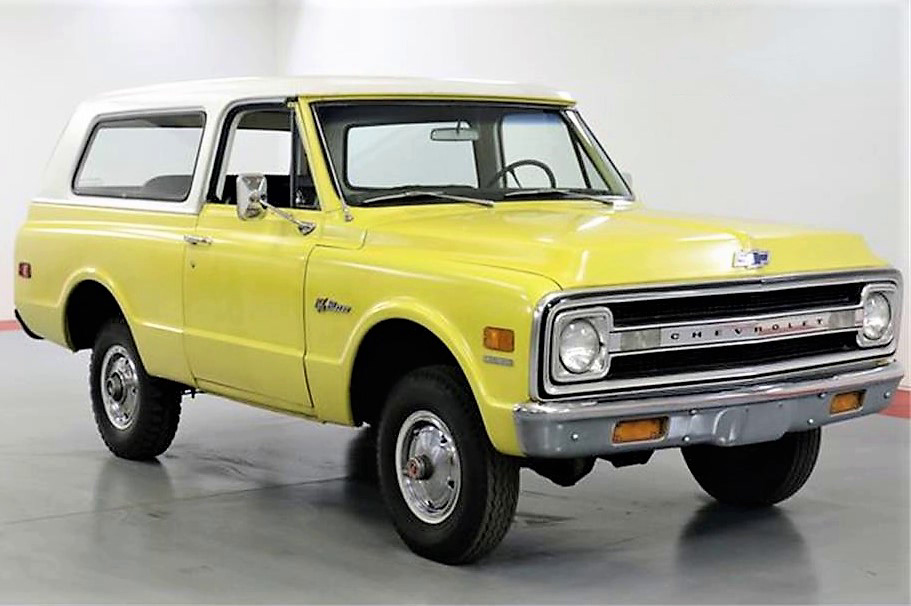
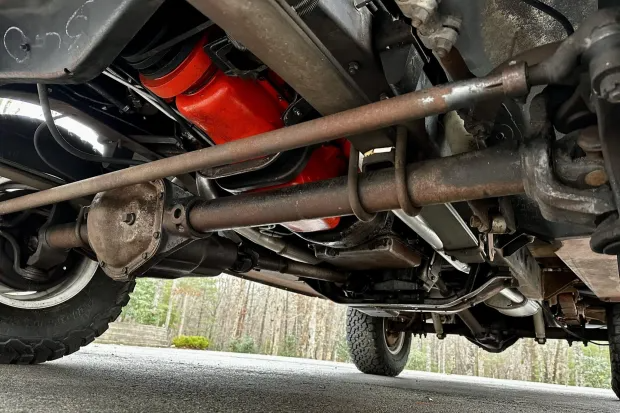
From a mechanical standpoint, the early Blazer was essentially a shortened pickup with a unique body. The wheelbase was trimmed down to improve maneuverability, but underneath, it retained the same rugged architecture as the trucks: solid axles, leaf springs, and proven transfer cases like the NP205. This gave it immediate credibility both on and off the road. It was tough, simple, and easy to service, which mattered then just as much as it does now.
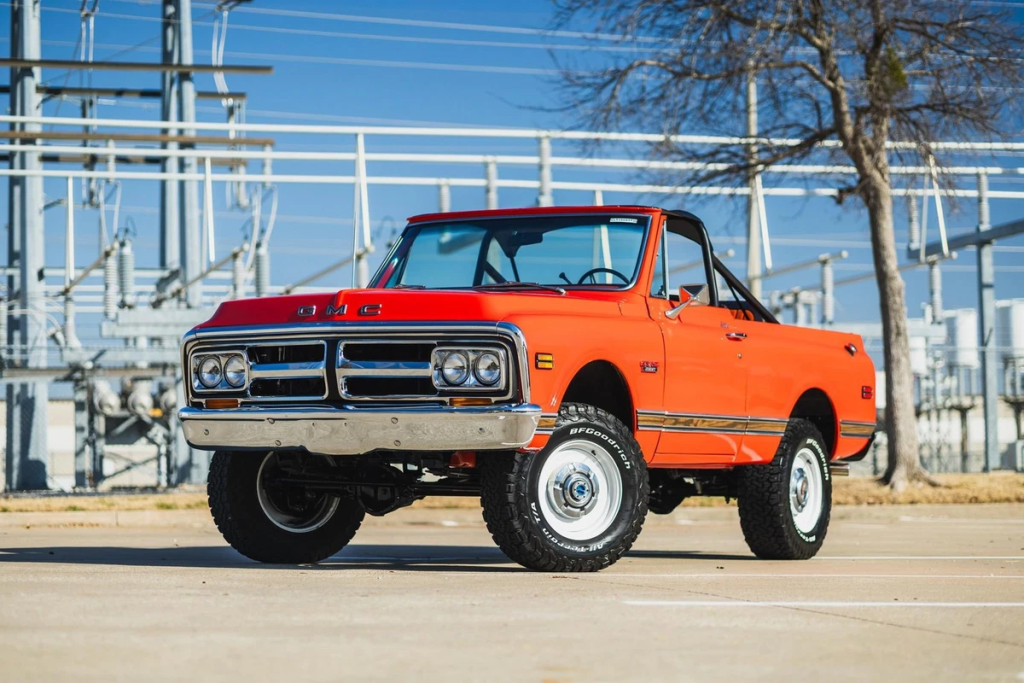
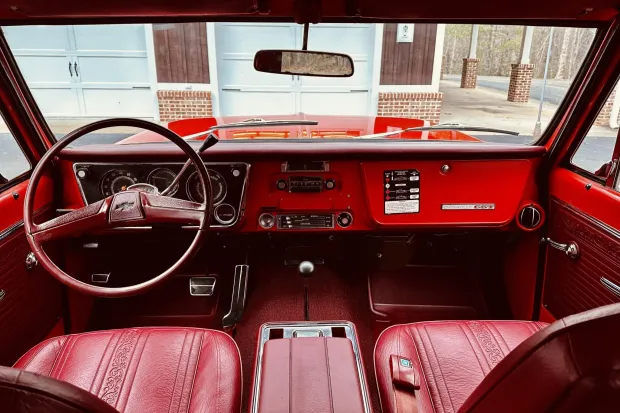
What truly set the early trucks apart, though, was the body design. The full removable top transformed the Blazer into a true open-air vehicle. With the top off, it blurred the line between a truck, a Jeep, and something entirely its own. That feature alone made it incredibly versatile, whether it was being used for fun, work, or just cruising around town.
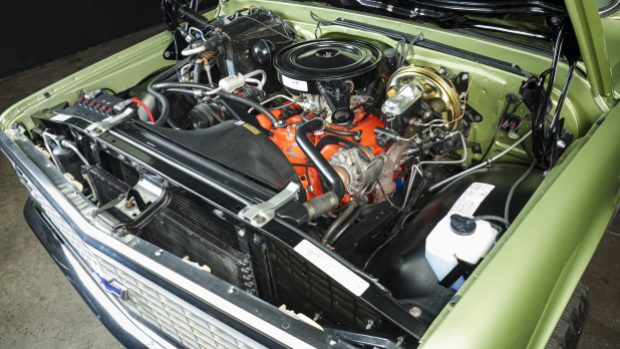
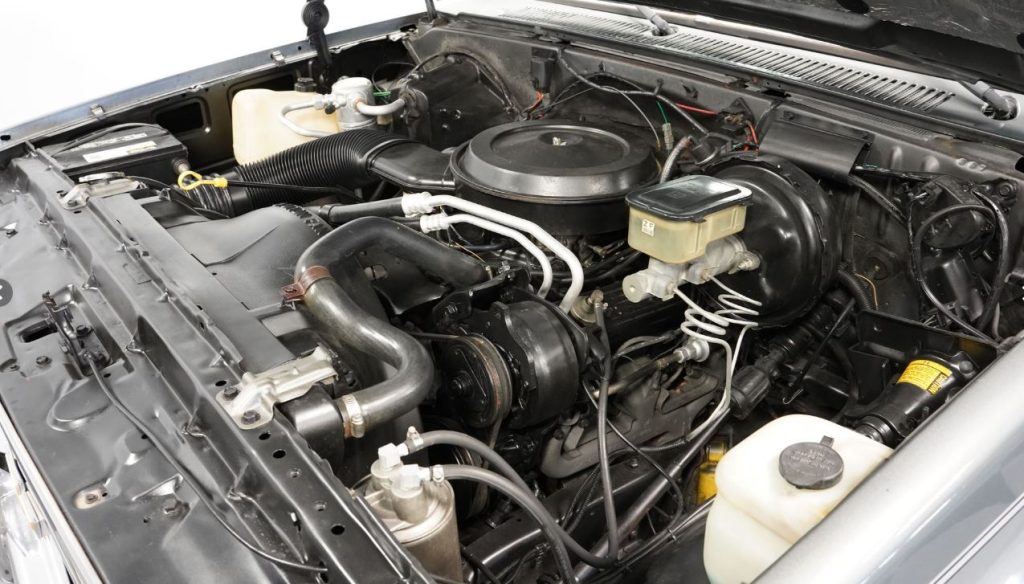
Blazer Underhood Power
Engine options reflected the rest of GM’s truck lineup. Buyers could opt for six-cylinder engines like the 250 or 292, or step into V8 territory with the 307 or the more desirable 350. None of these engines were exotic, but that was exactly the point: they were reliable, widely available, and easy to maintain. Paired with transmissions like the SM465 four-speed or TH350 automatic, the drivetrain combinations were durable and straightforward.
The GMC Jimmy arrived a year later in 1970, and while it was mechanically identical to the Blazer, it carried a slightly different personality. GMC positioned itself just a notch above Chevrolet, and that showed up in trim, badging, and subtle interior differences. The Jimmy wasn’t a different vehicle; it was a fancier version of the same idea.
By 1972, the formula was proven. The Blazer and Jimmy had established themselves as something new: a full-size SUV that combined truck durability with everyday usability. But change was coming quickly, and it would redefine what these vehicles were.
The Shift to Squarebody: 1973–1991
In 1973, GM rolled out a completely redesigned truck platform, and the Blazer and Jimmy came along with it. This new generation, often referred to as the Squarebody era, marked an evolution of the platform. The trucks were larger, more refined, and clearly aimed at a broader audience than just off-roaders.
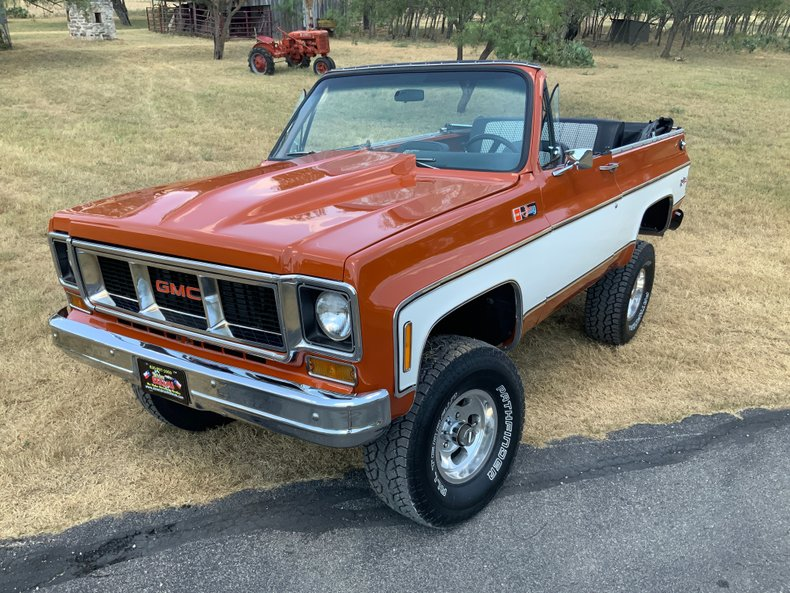
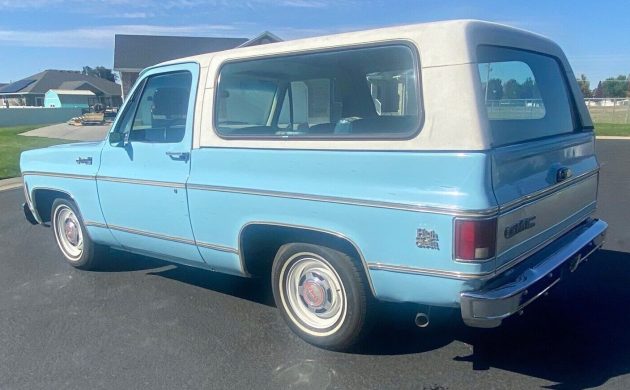
The most noticeable change came a few years later in 1976, when GM eliminated the full removable top in favor of a half-cab design. Instead of the entire roof coming off, only the rear section was removable. On paper, it may seem like a downgrade, but it addressed several real-world concerns that the Blazers and Jimmy’s had. The fixed roof improved structural rigidity, reduced leaks and wind noise, and made the vehicle feel more solid overall. It was a move toward practicality, even if it sacrificed some of the original truck’s open-air appeal.
As the Squarebody years progressed, the Blazer and Jimmy became more comfortable and more feature-rich. Early models still felt very much like trucks, but by the 1980s, these vehicles had started to incorporate features that are common in more modern SUV’s. Air conditioning, power accessories, tilt steering, cruise control, and upgraded interior materials became more and more common. Higher trim levels like Silverado on the Chevrolet side or Sierra Classic on the GMC side pushed these trucks into territory that earlier models never approached.
Under the hood, the engine lineup evolved alongside emissions regulations and fuel economy concerns. The small-block V8 remained the backbone of the platform, with the 350 becoming the most common and well-rounded option. Smaller engines like the 305 appeared as MPG became more important, while inline-six options continued for those prioritizing simplicity. In 1982, GM introduced the 6.2L Detroit Diesel V8, which added a completely different dimension to the lineup. It wasn’t about speed, but it offered strong low-end torque and better fuel economy for long-distance driving or towing.
Transmission options followed a similar path as the engines. The heavy-duty SM465 manual remained a staple for those who wanted maximum control and durability, while automatics like the TH350 and TH400 provided ease of use. Later in the 1980s, the introduction of overdrive transmissions like the 700R4 helped bring highway drivability and fuel efficiency more in line with changing expectations.
Blazer vs Jimmy: Same Platform, Different Identity
Throughout both generations, the relationship between the Blazer and Jimmy remained consistent. They were, in every mechanical sense, the same vehicle. They shared frames, drivetrains, suspension components, and overall design. However, the way they were presented to buyers created a distinction that still matters today.
The Chevrolet Blazer was the more common of the two, often seen as the straightforward, accessible option. It was widely available, offered in a range of trims, and found its way into everything from daily drivers to work trucks. The GMC Jimmy, on the other hand, carried a slightly more upscale image. It typically featured more chrome, more refined trim options, and a higher starting price. The differences weren’t dramatic, but they were intentional to set the two apart from each other.
In practical terms, choosing between a Blazer and a Jimmy often came down to preference in styling and trim rather than any difference in capability. Both vehicles performed the same, drove the same, and could be built into the same types of projects. The difference was more about identity than anything else.
Evolution Through the Years
As the Squarebody era stretched into the late 1970s and 1980s, the changes became minimal but still important. Safety and emissions regulations fueled much of the development, leading to reduced horsepower figures compared to earlier years, but also to improvements in reliability and drivability. The introduction of throttle body fuel injection in the late 1980s was a step forward, replacing carburetors with a system that was easier to live with in varying conditions.
Interior design also continued to improve. Early Squarebodies still felt very much like trucks, with simple materials and minimal insulation. By the end of the production run, they had become noticeably more refined, with better seating, improved ergonomics, and a quieter cabin. These weren’t luxury vehicles by modern standards, but they were a far cry from the stripped-down machines of the early 1970s.
Blazer Legacy and Jimmy Impact
Looking back, it’s easy to see that the Blazer and Jimmy played a major role in shaping the SUV market as we know it. They bridged the gap between utility and comfort in a way that hadn’t really been done before. By starting with a full-size truck platform and gradually adding refinement, GM created a vehicle that could serve multiple roles without compromising its core capability.
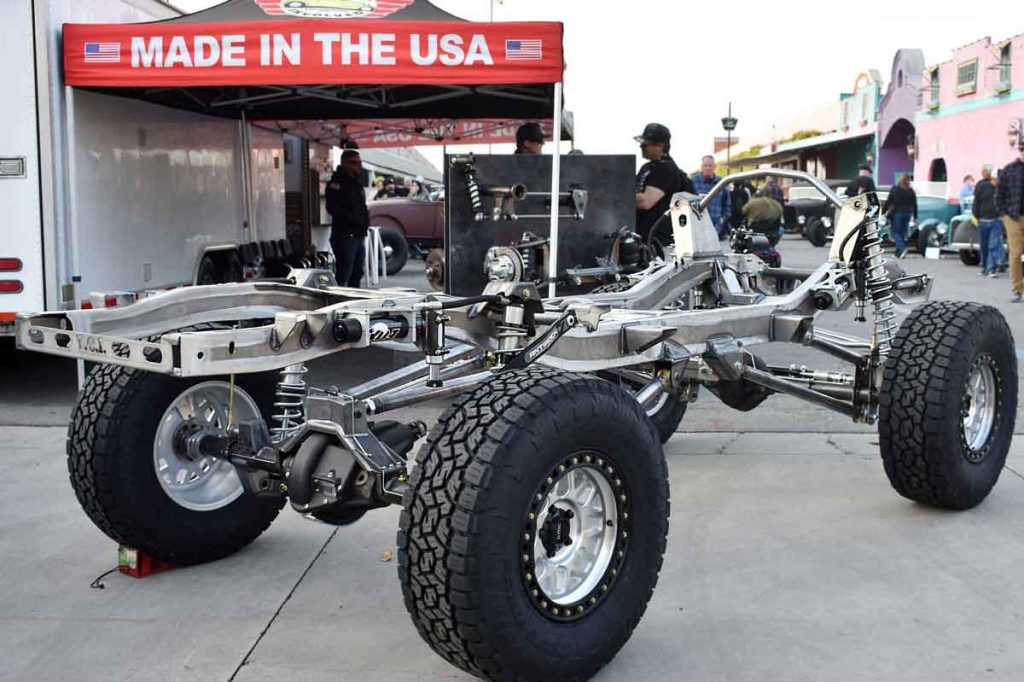
Just like their C10 counterparts, these Blazers and Jimmy’s have tons of aftermarket support. You can pick up complete new chassis and have it lifted or lowered. Whatever style you want, there are parts available for it.
These early Blazers and Jimmy’s are what helped to make modern SUVs so popular. Our modern Suburbans, Yukons, and even Escalades all pay homage to these early full-size SUVs. They are versatile when they can carry people, a heavy load, or keep things out of the elements.
If you need any parts for your GMC Jimmy or Chevy Blazer, hop on SS396.com or give our friendly techs a call at (203) 235-1200!