The Fuel Smell Problem Every Classic Car Owner Knows
One of the most distinct parts of a classic car is the smell of fuel. It’s part of the experience and as soon as the smell hits your nose, it brings back that nostalgia. Whether it’s a faint fuel odor after filling up the tank or a strong gasoline smell that seems to follow the car everywhere, fuel odors are one of the most common smells among owners of vintage vehicles. While many enthusiasts assume that classic cars simply smell like fuel because of their age, the reality is that most gasoline odors come from specific problems that can often be identified and corrected.
Unlike modern vehicles, classic cars were built before today’s evaporative emissions standards. Many vintage fuel systems were designed with simple venting systems that allowed fuel vapors to escape into the atmosphere. While this design was common and accepted decades ago, it means classic cars are inherently more susceptible to fuel odors than modern vehicles equipped with sealed fuel systems and charcoal canisters.
Why Modern Cars Rarely Smell Like Gasoline
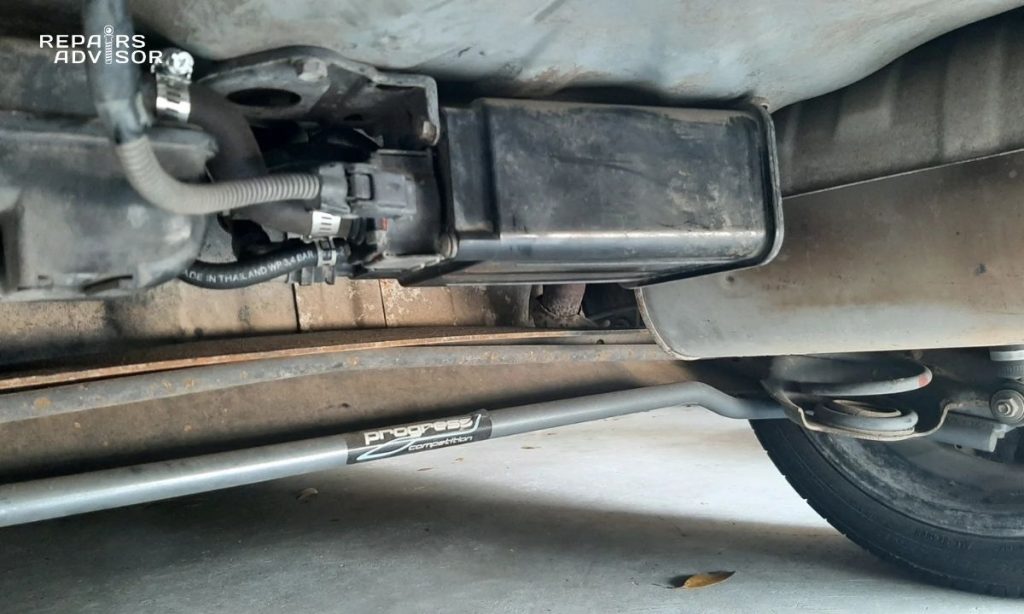
Modern vehicles use sophisticated evaporative emissions systems that capture fuel vapors before they can escape into the atmosphere. Fuel tanks are sealed, vapors are routed through charcoal canisters, and engine management systems carefully control when those vapors are burned during normal engine operation. As a result, most modern vehicles can sit in a closed garage for weeks without producing noticeable fuel odors.
Classic cars typically lack these systems entirely. Instead, fuel tanks often vent directly to the atmosphere, allowing gasoline vapors to escape whenever temperatures change or fuel sloshes inside the tank. Even a perfectly functioning classic car may produce more fuel odor than a modern vehicle simply because of how the original fuel system was designed.
Aging Fuel Hoses Are a Common Cause
A common cause of fuel odors in classic cars is deteriorated fuel hose. Many vintage vehicles still contain old rubber hoses that were never designed to withstand modern gasoline that contains ethanol. Over time, these hoses can harden, crack, or become porous enough to allow fuel vapors to pass through the rubber itself.
In some cases, the hose may not visibly leak liquid fuel yet, but still allow gasoline vapors to escape. These vapors can accumulate under the hood, inside the trunk, or even enter the passenger compartment through firewall openings and body gaps. Replacing old fuel hose with modern ethanol-compatible hose is one way to reduce fuel smell.
Fuel Tank Venting Issues
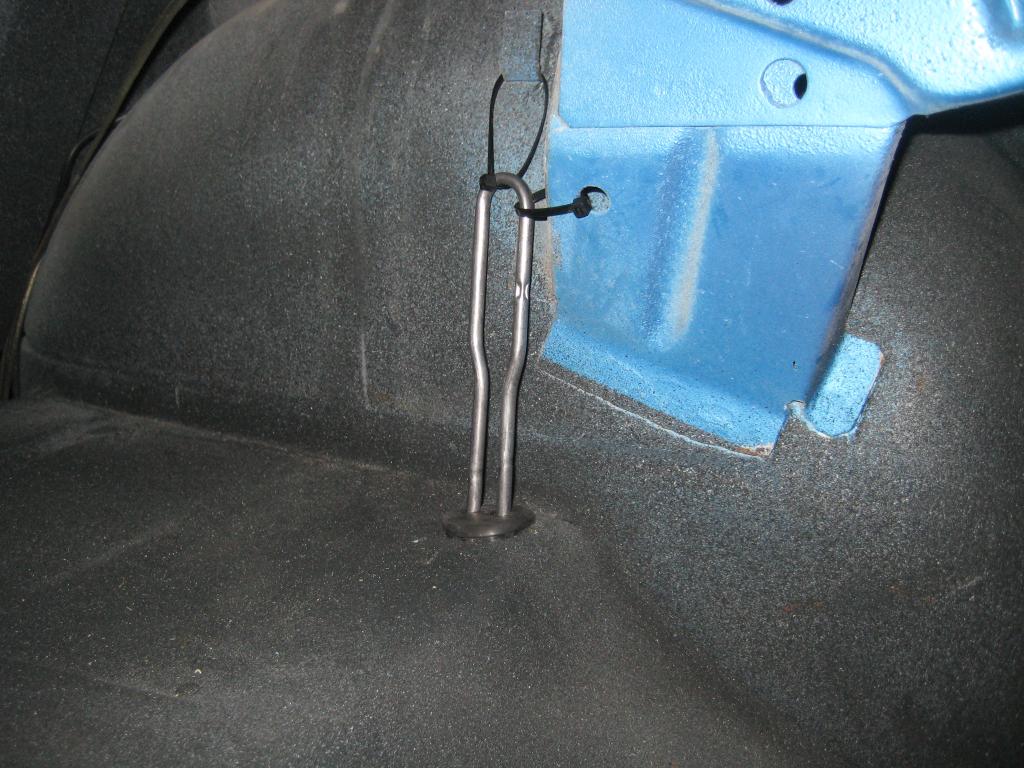
The fuel tank itself is one of the bigger reasons for that fuel smell. Most classic cars use a vented fuel cap or dedicated vent line to equalize pressure within the tank. When functioning properly, these systems allow air to enter and exit the tank as fuel levels change. Basically it’s just a tube with no filter or anything that vents into the open air.
Fuel odor is often most noticeable after filling the tank because the empty air space above the fuel level has been reduced. As fuel warms and expands, vapors are pushed out of the vent system. If those vapors are released near the passenger compartment, the smell can become strong.
Carburetor Problems Can Create Strong Fuel Odors
Carburetors are another common source of fuel smell. Unlike modern fuel injection systems, carburetors maintain an open fuel reservoir known as a float bowl. Under normal conditions, a small amount of fuel evaporation is expected.
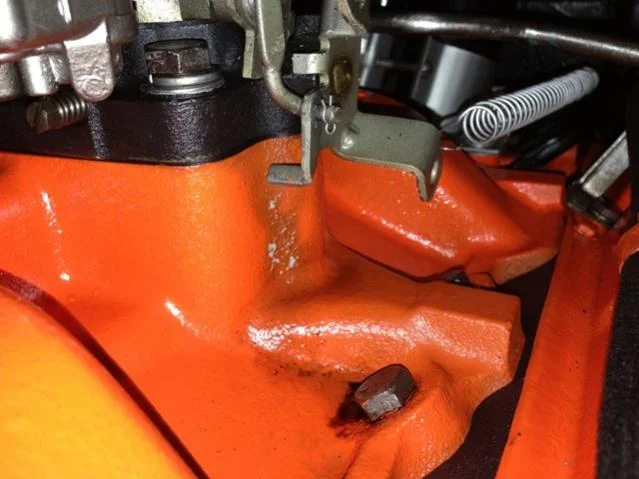
A sticking float, leaking needle and seat, excessive fuel pressure, or improper float adjustment can cause fuel to overflow inside the carburetor. Even minor overfilling may not create an obvious puddle but can generate a powerful gasoline smell. In worst case scenarios, fuel may drip directly onto the intake manifold, creating an ultra strong fuel smell.
Why Trunk Seals Matter More Than You Think
On many classic cars, the fuel tank is located directly beneath or behind the trunk area. If the trunk weatherstripping is damaged or missing, or the bottom of the trunk isn’t sealed properly, fuel vapors can enter the passenger compartment through gaps in the body structure.
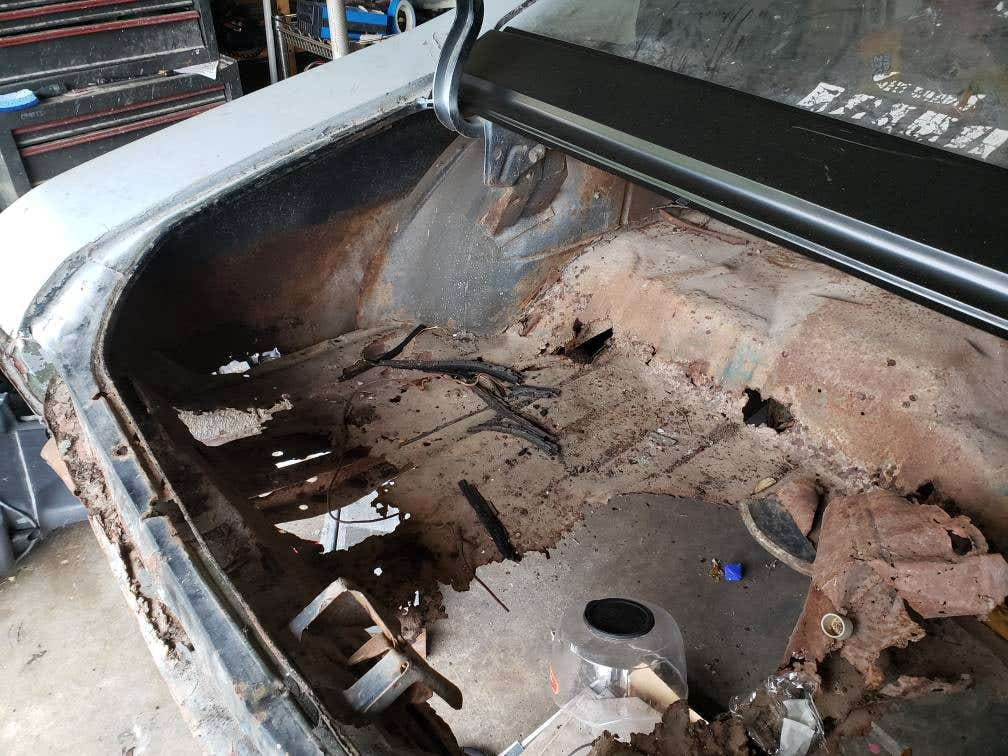
Owners often spend time chasing fuel system problems when the real issue is that fuel vapors normally present around the tank are being drawn into the cabin through bad seals and gaps. Replacing trunk weatherstripping can sometimes eliminate a fuel odor that has existed for years.
Exhaust Leaks Can Make Fuel Smells Worse
Not every fuel smell originates from the fuel system itself. Rich-running engines produce exhaust gases that contain unburned fuel. If exhaust leaks are present under the vehicle, these fumes can enter the passenger compartment and mimic the smell of raw gasoline.
Classic cars with poor door seals, missing floor plugs, or deteriorated weatherstripping are more likely to have a fuel smell. Drivers may assume they have a fuel leak when the actual problem is an exhaust leak combined with an overly rich air-fuel mixture.
How to Eliminate Fuel Odors in a Classic Car
The best approach is a systematic inspection of the entire fuel system. Begin by checking all rubber fuel hoses, fuel line connections, carburetor components, tank vent systems, and fuel sending unit seals. Inspect the trunk area for damaged weatherstripping and verify that all body plugs and access panels are properly sealed. Finally, inspect the exhaust system for leaks that could contribute to fuel-like odors inside the car.
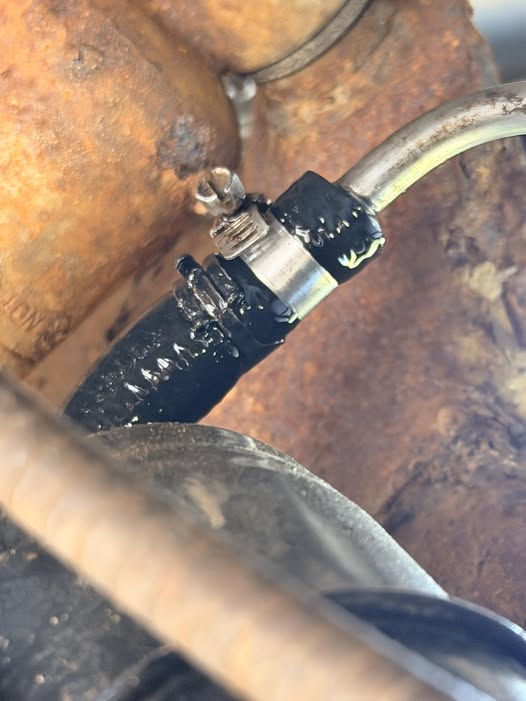
Most of the time eliminating fuel smell requires addressing multiple small issues rather than a single major problem. Replacing old hoses, renewing weatherstripping, correcting carburetor adjustments, and repairing minor leaks all add up to reducing that fuel smell.
If you need any new weatherstripping or fuel system components for your ride, hop on SS396.com or give our friendly techs a call at (203) 235-1200!