Be honest with us…you clicked on this because you’re wondering if you’ve already made one of these restoration mistakes. Most of us have at some point or another. Classic car restoration is a learning process, and sometimes the only way to learn is by doing something wrong first.
Very few restorers start out knowing everything. We all dive in with good intentions, a pile of parts, and maybe a YouTube video or two. But the difference between a finished project and a garage full of regret often comes down to avoiding a handful of common mistakes.
First Restoration Mistake: Starting Without a Plan
One of the biggest mistakes enthusiasts make is jumping straight into disassembly without a plan. It’s easy to to get excited, grab the tools, and start tearing down a car, but before long you’re left staring at a stripped shell sitting on jack stands with boxes of mystery parts.
Every restoration should begin with a clear roadmap. Decide what the car will become: concours restoration, restomod, driver, or weekend cruiser. Determine the budget, timeline, and major upgrades before turning the first bolt.
To go even further, plan out individual upgrades. Exactly what suspension are you wanting? What style/color will the interior be? Having a clear vision ahead of time helps make sure things go smoothly.
2. Not Documenting the Tear-Down
You think you’ll remember where everything goes. You won’t so don’t kid yourself.
Months or years later when it’s time to reassemble the car, you’ll be staring at brackets, clips, and fasteners wondering where they belong. The solution is simple: take photos of everything during disassembly. This used to be harder 20 years ago, but with cell phones, it’s easy to take hundreds or thousands of photos. Even better, take a video of the parts and move the phone around to get from all angles.
Use labeled bags and containers for bolts and small parts. Write notes and take more photos than you think you need. Your future self will thank you.
3. Poor Organization
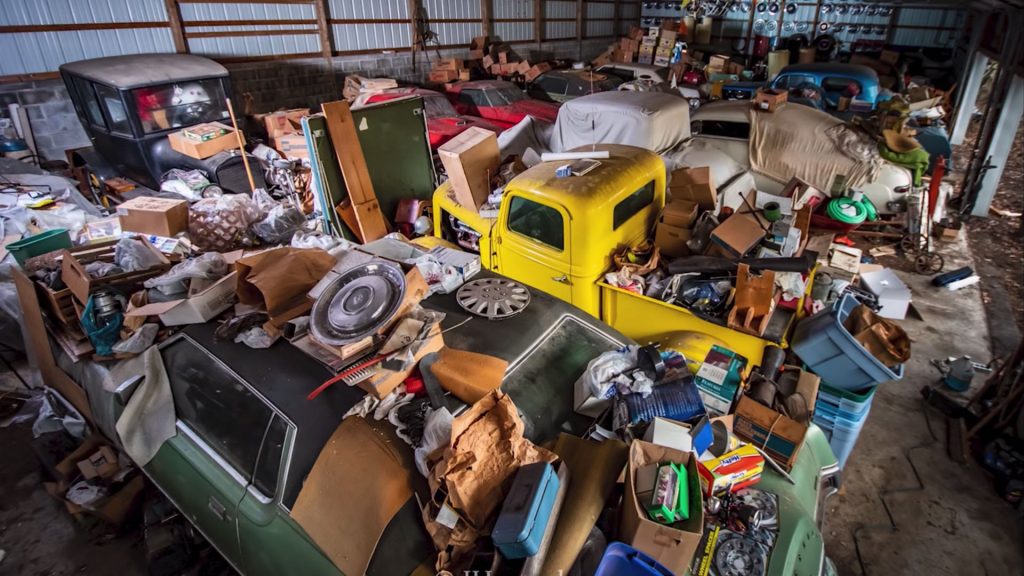
Clutter is the enemy of any restoration project. Parts tossed onto shelves or into boxes become impossible to track down later.
Successful restorers treat their workspace like surgical room where hardware is sorted and labeled. Components are stored together. Fasteners are bagged and tagged.
Organization doesn’t just save time, it saves money when you don’t have to rebuy parts you already own.
4. Skipping the Mock-Up
One of the most painful lessons restorers learn is trying to fit new parts on a freshly painted car.
Doors, fenders, bumpers, trim, and accessories should all be test-fitted before paint. This mock-up phase ensures everything lines up properly and prevents scratching brand-new paint during final assembly.
Skipping mock-up is one of the fastest ways to ruin an expensive paint job. In fact, pro-builders usually fully assemble a car before painting to make sure everything fits perfectly. It takes time, but can save lots of time, money, and headaches later on down the road.
5. Reusing Old Safety Components
It might be tempting to reuse original brake lines, rubber hoses, or fuel lines to save money or maintain originality. That’s a big mistake.
Many classic cars are now 50 or 60 years old, and rubber components degrade over time, even if they look fine. Brake hoses, fuel lines, and cooling hoses should almost always be replaced during a restoration.
Unless you’re going for a concourse restoration, you should be ditching the factory drum brakes as well.
6. Buying Unknown Engines or Parts
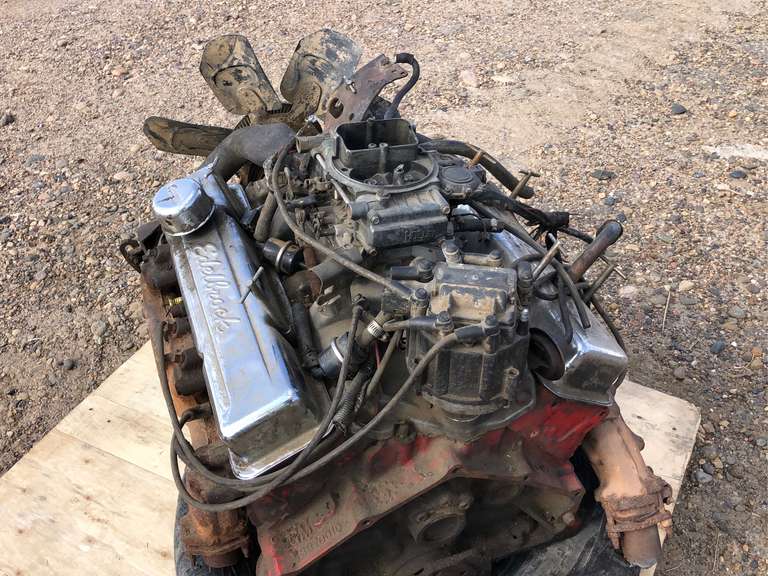
Used engines and “mystery” parts can turn into expensive surprises when the seller wasn’t quite as truthful as you’d hope.
Many enthusiasts buy engines claiming to be freshly rebuilt or high-performance only to discover cracked blocks, worn cylinders, or incorrect components inside. Scrubbing the engine and a fresh paint job can hide a lot of secrets.
If possible, inspect the engine internally before purchase or buy from reputable builders who can document the work performed.
7. Ignoring Electrical System Upgrades
Electrical problems plague many classic cars, especially those still using their original wiring harness.
Old wiring becomes brittle, insulation cracks, and connectors corrode. Electrical shorts can lead to frustrating troubleshooting or worse, a fire. If you’ve ever tried to figure out a electrical issue, you know how frustrating it can be.
Many restorers choose to install a modern wiring harness designed for classic cars. These systems add circuit protection, improved routing, and additional capacity for modern accessories.
8. Underestimating the Budget

Restorations almost always cost more than expected. Take your budget, double it, then add some more for extra insurance.
Parts, machine work, paint, upholstery, and chrome plating add up quickly. Even small items such as nuts, bolts, fasteners, clips, and gaskets, can snowball into hundreds or thousands of dollars.
You’ll find more issues as well. You might go in to rebuild the suspension only to find some rust repair that needs done that you didn’t account for. Things can spiral out of control quickly with your budget.
9. Building Too Much Engine
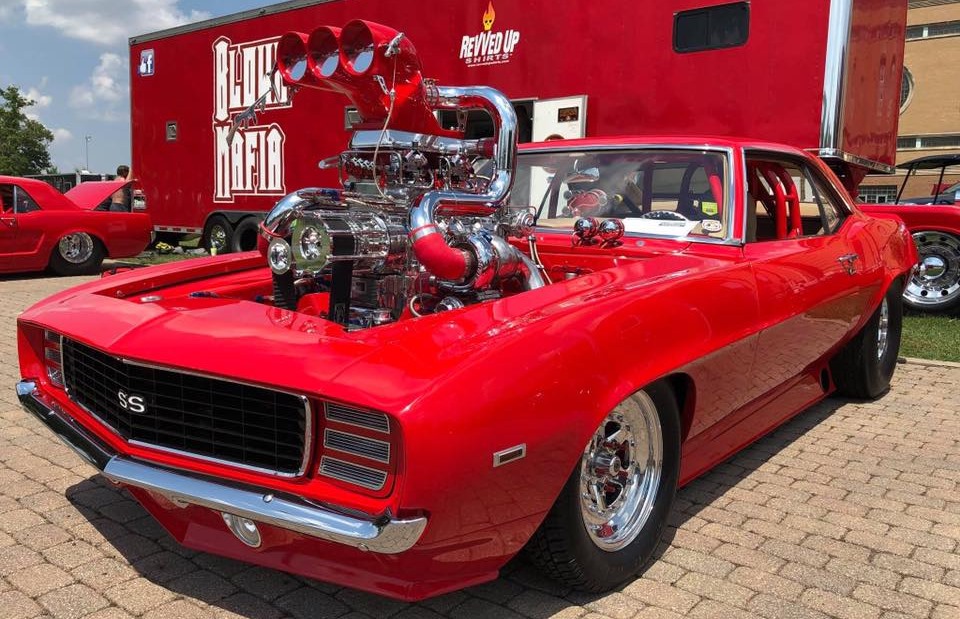
Everyone wants big horsepower numbers, but massive power doesn’t always make a better street car.
Huge carburetors, radical camshafts, and oversized exhaust systems can actually reduce drivability and low-rpm performance. The result is a car that sounds impressive but is miserable to drive.
A balanced engine combination matched to the vehicle’s intended use will always perform better than chasing peak horsepower numbers.
10. Rushing the Final Assembly
After months or years of work, many restorers rush the final stages just to get the car on the road. You start to see that light at the end of the tunnel and can already imagine yourself cruising down the road.
This is when mistakes happen. Trim gets scratched, paint gets chipped, wiring gets pinched and hardware gets lost.
The final assembly phase should be approached slowly and carefully. Protect painted surfaces, take your time, and double-check everything.
Patience during the final stretch often determines whether a restoration feels professional or unfinished.
At the end of the day, mistakes happens. Everybody builds their car differently: different budgets, different visions, and different skill levels. Find what works for you but overall enjoy the process. If you get stuck and need some advice, or need parts to help finish your project, hop on SS396.com or give our friendly techs a call at (203) 235-1200!