Restoring a classic car looks simple on the surface where you buy the car, fix what’s broken, and bring it back to life. But anyone who’s been through it knows the reality is far more time consuming and expensive. From hidden rust and parts fitment issues to budget overruns and time-consuming details, the restoration process is full of surprises that most first-timers never see coming. Whether you’re working on a vintage muscle car, classic truck, or full frame-off build, understanding these challenges can save you time, money, and frustration.
1. The Classic Car You Bought Is Never the Car You Actually Have
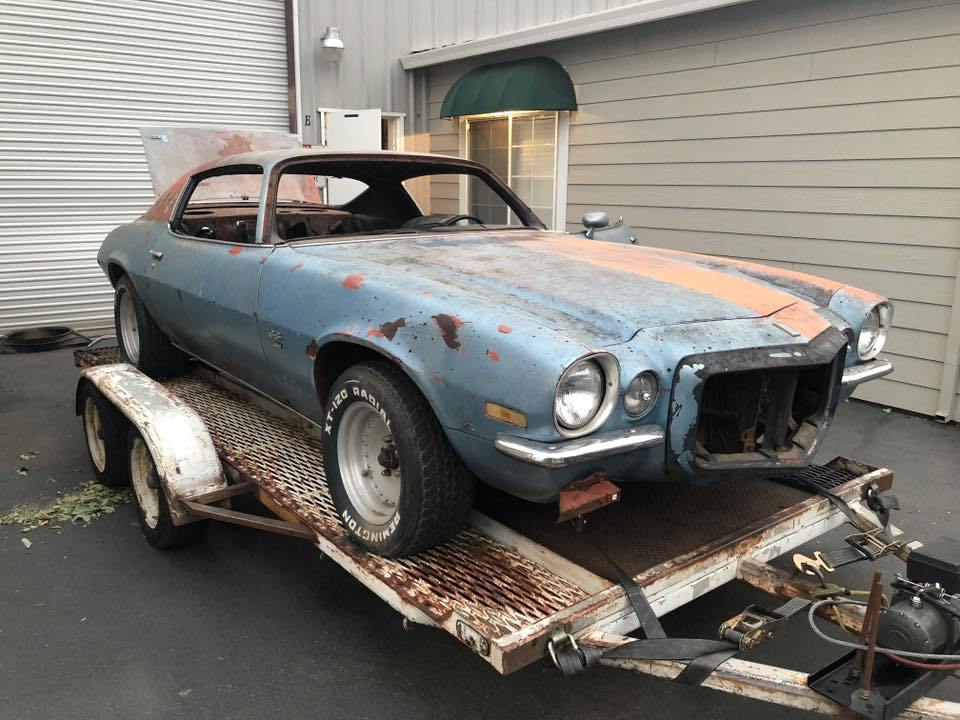
No matter how clean a project looks on the surface, it’s lying to you at least a little bit. Paint hides a lot of secrets and undercoating hides rust. Fresh interiors hide rotten floor pans and shotty wiring. The moment you start disassembling the car, you’ll realize you didn’t buy a finished car, you bought a starting point for your restoration.
What looks like a “solid driver” often turns into floor pans, patch panels, and hours of metalwork. It’s not always catastrophic, but it’s almost never what you expected. The mistake most people make is budgeting based on what they can see, instead of assuming there’s another layer of problems underneath.
2. “It Just Needs…” Is the Most Expensive Phrase in the Classic Car Hobby
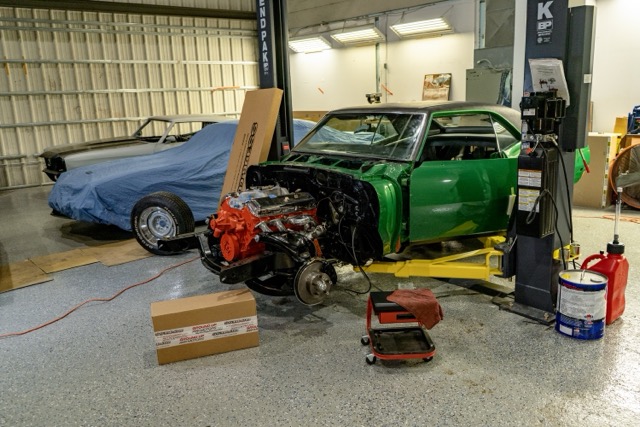
Every project starts with excitement and a vision. “It just needs paint.” “It just needs wiring.” “It just needs interior.” What nobody tells you is that every one of those statements expands the moment you touch it.
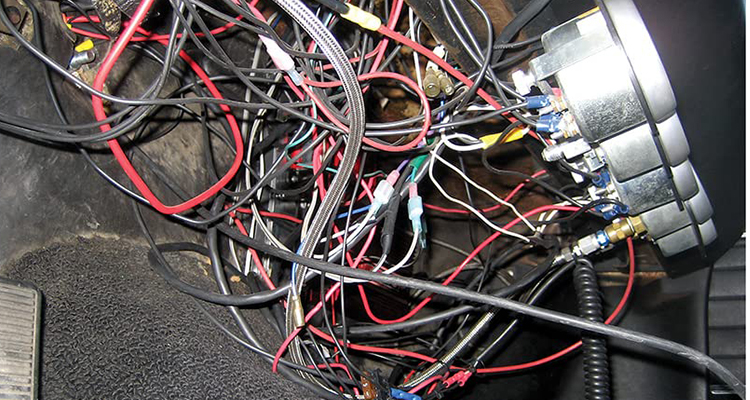
Paint means bodywork, bodywork means rust repair and rust repair means fabrication. Wiring means chasing old hacks and upholstery means fixing everything the previous owner ignored. Nothing exists in isolation on an old car because everything connects to something else.
The reality is simple: if it were truly “just one thing,” the previous owner would’ve already done it.
3. Parts Availability Is a Game of Tradeoffs
People assume that because a car is popular, parts are easy or they don’t even consider parts availability. Sometimes, or most the time, parts are available, but not always the way you want them.
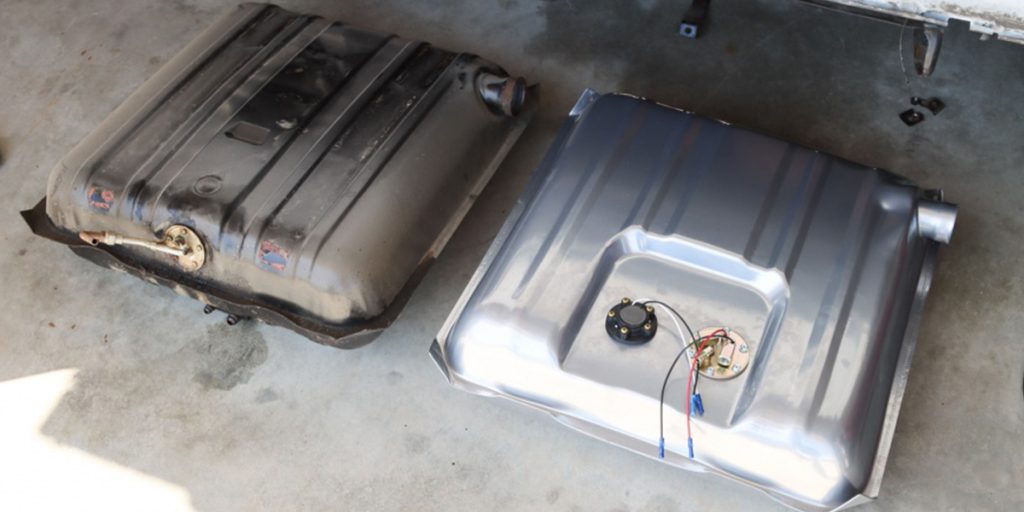
Reproduction parts can be hit or miss. Some fit perfectly, others require modification, and some are just plain wrong. Original parts, when you can find them, are often expensive or worn out. You’ll constantly be choosing between convenience, cost, and correctness.
You’ll also learn quickly that “bolt-on” rarely means what you think it does.
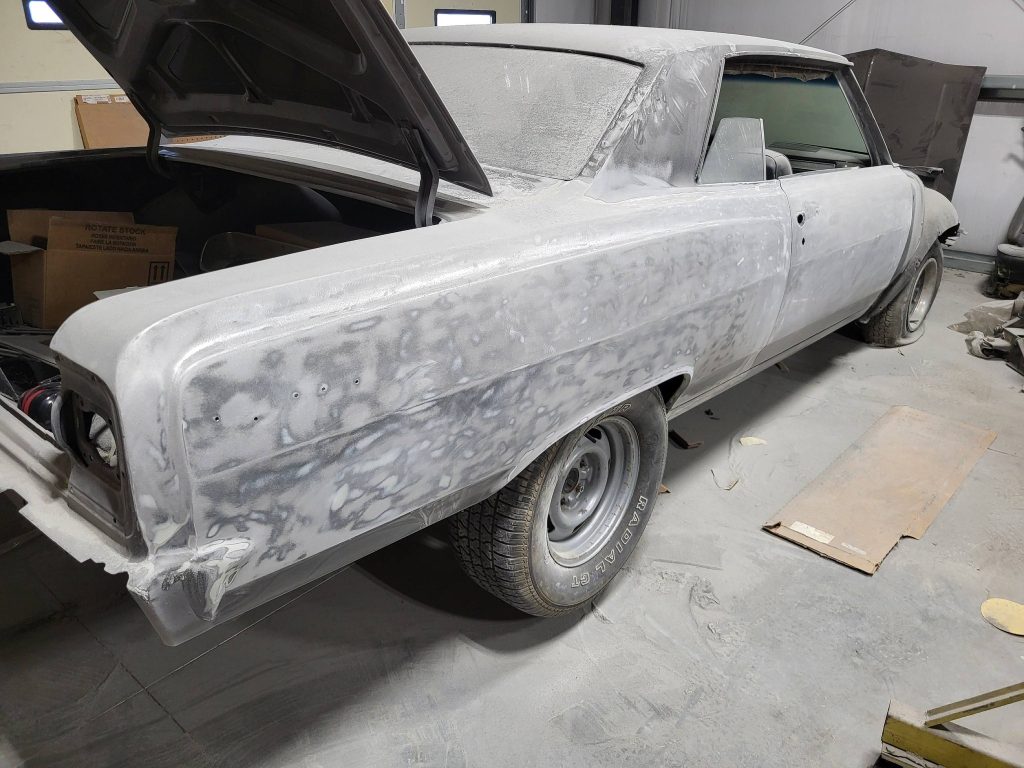
4. Labor Is Where Projects Go to Die
The parts are only part of the equation. The real cost of a restoration is time either yours or someone else’s.
If you’re doing the work yourself, progress is slower than you expect. Nights and weekends disappear quickly, and motivation comes in waves. If you’re paying a shop, the costs add up fast. Even small jobs can spiral once they’re underway. Remember how we said once you dive into things you find more things wrong? This plays into that a lot.
Most unfinished projects you see for sale didn’t fail because of lack of parts, they failed because the labor became overwhelming. These projects have a tendency to snowball and can easily burn you out.
5. You Will Redo Your Own Work
This is one of the more frustrating realities. Early in the project, you’re learning, experimenting, and figuring things out. Later, your standards change. What seemed “good enough” six months ago suddenly isn’t.
You’ll redo wiring and you’ll redo bodywork. You’ll pull parts back off that you were sure were finished. Restorations can take years to complete and sometimes your taste changes, or the technology changes and you take off that brand new carburetor because you want to convert it to the latest fuel injection system.
It’s not failure on your end, it’s part of the process. But it’s something nobody warns you about when you’re just getting started.
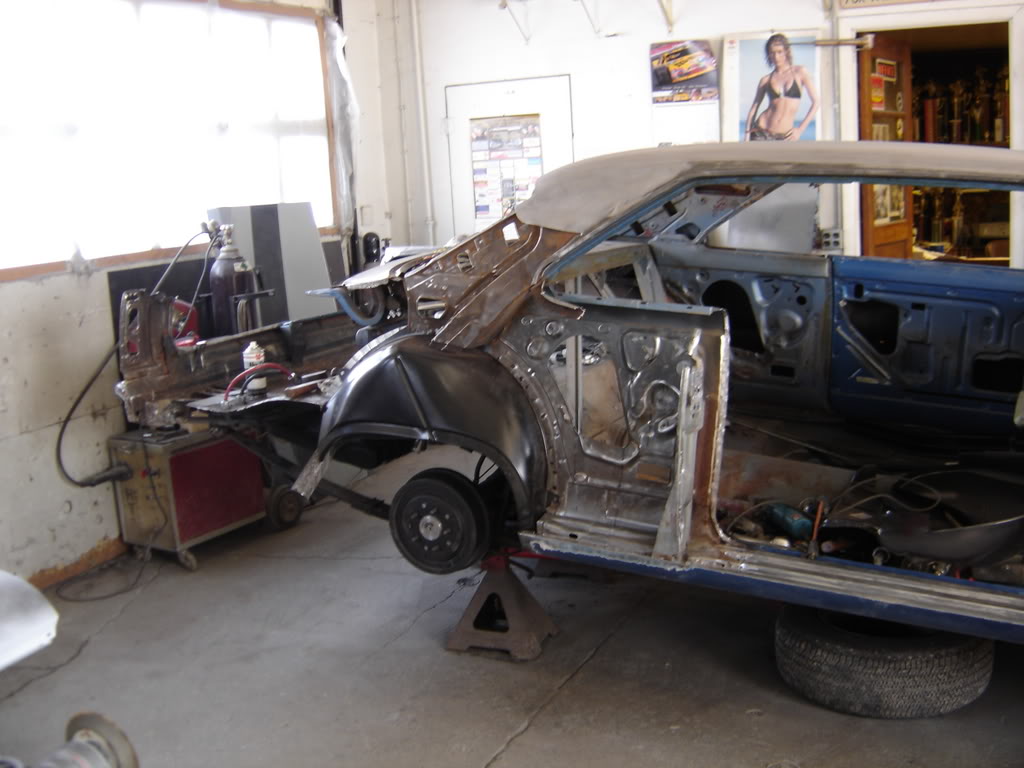
6. The Small Stuff Takes the Most Time
Big milestones feel like progress: engine installed, paint done, interior in, suspension installed. But the small details are what actually finish a car, and they take longer than anything else.
Clips, seals, brackets, hardware, alignment, adjustments, etc. are the things that eat time. You can spend an entire day solving a problem no one will ever notice, but the car won’t function correctly without it.
Finishing a car isn’t about the big moments. It’s about the thousands of small ones. Sometimes it’s better to not focus on the big picture, just finish that one little task so you that you can then focus on the bigger picture.
7. Budgets Are More Like Suggestions
Everyone starts with a number. Double it. Then triple it.
Costs creep in slowly with things like specialty tools, unexpected repairs, upgraded parts, and “while you’re in there.” It’s rarely one big expense that breaks the budget. It’s the accumulation of dozens of smaller ones. Even going to the hardware store to buy new bolts can easily run up a triple digit bill.
The more honest approach is to treat your budget as a range, not a fixed number. And even then, expect it to stretch.
8. Not Every Upgrade Makes the Car Better
It’s easy to fall into the trap of upgrading everything. Bigger brakes, modern suspension, aftermarket everything. But not every upgrade improves the experience or is even needed.
Some changes make the car feel less like what it is. Others introduce new problems such as fitment issues, compatibility headaches, or just a loss of character. The best builds aren’t the ones with the most parts, they’re the ones with the right parts.
For example if you’re just planning on having a nice weekend cruiser, a basic disc brake kit is more than enough. You don’t need 12-piston 18″ disc brakes. Knowing when to stop is just as important as knowing what to add.
9. You Won’t Get Your Money Back
This one catches people off guard. Restoration is almost never a profitable venture. You can spend years and significant money building a car, and the market may not reflect that investment.
That doesn’t mean it’s a bad decision, because most of us aren’t building the car to sell it. The value comes from the process, the experience, and the finished product, not the resale number.
If you go into it expecting a return, you’ll be disappointed. If you go into it because you want the car, the equation changes.
10. The Finish Line Moves
Even when the car is “done,” it’s not really done. There’s always something else to improve, adjust, or revisit.
You’ll drive it and notice things you want to change or you’ll see other builds and get new ideas. The project evolves over time, even after it’s technically complete.
That’s not a bad thing, it’s part of what keeps the hobby interesting. The car becomes something you continue to shape, rather than something you simply finish.
Final Thoughts
Restoring a classic car isn’t just a mechanical process, it’s a mental one. It tests patience, problem-solving, and expectations. The biggest gap isn’t between broken and finished it’s between what people think the process looks like and what it actually is.
The truth is, none of these things are deal-breakers. They’re just realities of restoring an old car. The people who enjoy the process are the ones who accept them early and work through them anyway.
If you need any help with parts for your classic GM car, hop on SS396.com or give our friendly techs a call at (203) 235-1200!