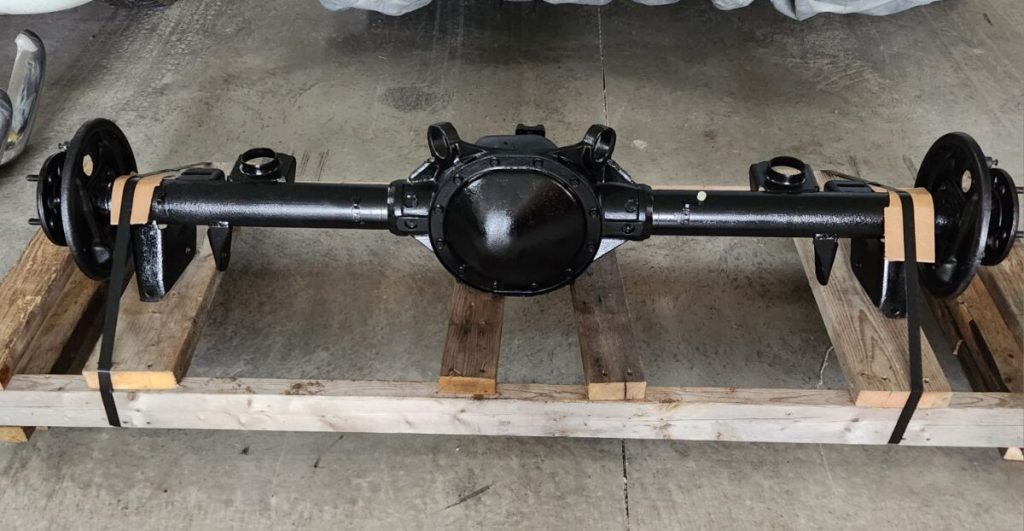
When shopping for a classic muscle car, restoring a vintage truck, or upgrading the rear axle in your hot rod, you’ve probably heard someone say, “You need positraction.” The term has become so common that many enthusiasts use it to describe any limited-slip differential, even though “Positraction” was originally a General Motors trademark.
But what exactly is positraction? More importantly, is it really necessary for your vehicle? The answer depends entirely on how you drive, what you drive, and what you’re expecting from your rear axle.
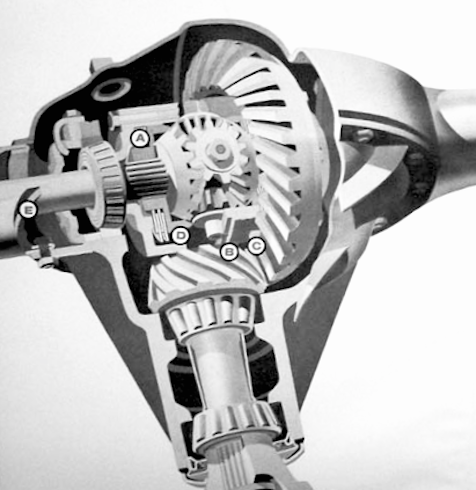
Understanding an Open Differential
To understand positraction, you first have to understand how a standard differential works.
Every time your vehicle turns a corner, the outside tire travels farther than the inside tire. A differential allows each rear wheel to rotate at different speeds while still receiving power from the driveshaft. An open differential accomplishes this perfectly during normal driving. It’s simple, reliable, and inexpensive.
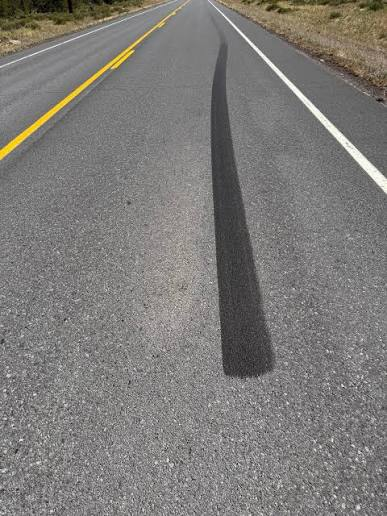
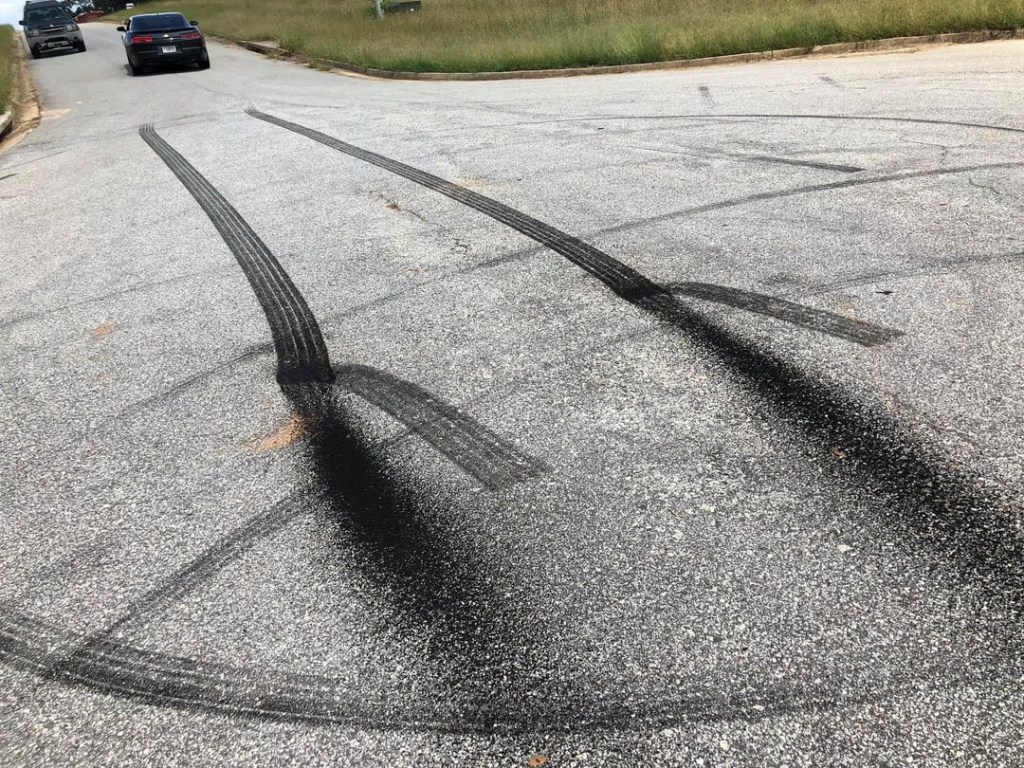
However, it has one major drawback. Power always follows the path of least resistance. If one tire loses traction, whether on gravel, wet pavement, snow, mud, or during a hard launch —that tire receives nearly all of the engine’s torque while the tire with good traction receives very little.
That’s why you often see a vehicle leaving only one burnout mark on the pavement.
What Is Positraction?
Positraction, or a limited-slip differential (LSD), is designed to solve that problem.
Instead of allowing one tire to spin freely, a limited-slip differential uses clutch packs, gears, cones, or other mechanisms to transfer part of the engine’s torque to the opposite wheel when traction begins to disappear.
The result is that both rear tires contribute to moving the vehicle forward. Rather than one tire doing all the work, both tires share the load whenever additional traction is needed.
How Does It Work?
Inside a clutch-type positraction differential are friction plates that connect each axle shaft to the differential carrier.
During normal cornering, these clutches allow the wheels to rotate at slightly different speeds. When one wheel starts slipping, however, the clutch packs resist the speed difference, transferring torque to the wheel that still has traction.
Other designs, such as gear-driven limited-slip differentials, use worm gears or helical gears instead of clutch packs to achieve a similar effect without friction materials. Each design has its own advantages, but the goal remains the same: keep both drive wheels working together.
The Advantages of Positraction
BETTER BURNOUTS! Joking aside, sorta, there are some advantages to Positraction.
The biggest advantage is improved traction.
Launching from a stop on wet pavement, loose gravel, or dirt becomes much more predictable because both rear tires help move the vehicle forward. Positraction also helps when accelerating out of corners to get better traction.
The Downsides
Positraction rearends are more expensive both when initially buying and when rebuilding. When turning ultra tight, such as in a parking lot, it can engage and cause a little bit of chatter.
Positraction vs. Locker
Many people confuse positraction with a locking differential. A locker mechanically locks both axle shafts together so they rotate at exactly the same speed. You see lockers in off-road applications primarily.
Lockers provide maximum traction but can make turning more difficult on pavement and often produces clicking or binding during tight turns.
A limited-slip differential is much smoother because it only limits wheel speed differences when additional traction is needed. For most street-driven vehicles, a limited-slip differential offers the best balance of traction, comfort, and drivability.
Do You Need Positraction?
Positraction isn’t about making your vehicle faster on paper, it’s about making better use of the power you already have.
An open differential works well under most conditions, but the moment one tire loses grip, much of your engine’s power is wasted. A limited-slip differential helps keep both tires working together, improving acceleration, stability, towing confidence, and overall drivability.
If your vehicle is mostly a relaxed cruiser, an open differential may be all you ever need. But if you enjoy spirited driving, have added horsepower, or simply want better traction in less-than-perfect conditions, upgrading to a positraction or limited-slip differential is one of the smartest investments you can make in your drivetrain.
If you’re thinking of upgrading to a Positraction rear end or need parts for your classic Chevy, hop on SS396.com or give our friendly techs a call at (203) 235-1200!