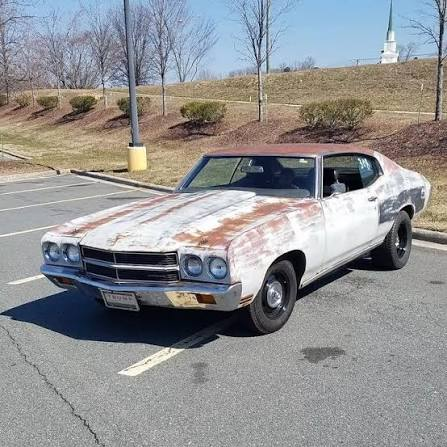
There is an unmistakable character in authentic, sun-baked factory paint that no modern booth job can replicate. A weathered finish tells the decades-long story of a classic car, displaying a unique mix of faded color, exposed primer, and light surface oxidation.
Even twenty years ago nobody would have thought twice to preserve the patina paint on an old classic. Times have changed and people are preserving this paint, or what’s left of it. That’s 50+ years of story telling that can’t be replicated.
However, leaving raw, exposed metal unprotected invites deep structural rust, while applying the wrong chemicals or heavy abrasives can permanently erase the very character you are trying to preserve. Restoring a weathered finish requires a careful balance between stripping away harmful rust and locking in the original finish using specialized prep solutions and clear protective sealants.
Understanding Patina: The Pros and Cons of Keeping Original Paint
Choosing to preserve a vehicle’s original weathered finish comes with distinct advantages over executing a full bare-metal repaint. One of the greatest benefits is the preservation of automotive history; an original factory finish carries a level of authenticity that boosts collector interest and retains the car’s original body stampings and assembly marks.
Additionally, preserving patina avoids the thousands of dollars and hundreds of shop hours required for bodywork, block sanding, and multi-stage paint applications. A properly sealed patina finish is also low-maintenance and worry-free, allowing owners to drive, park, and enjoy their classic without the constant anxiety of rock chips, door dings, or minor scratches ruining an expensive paint job.
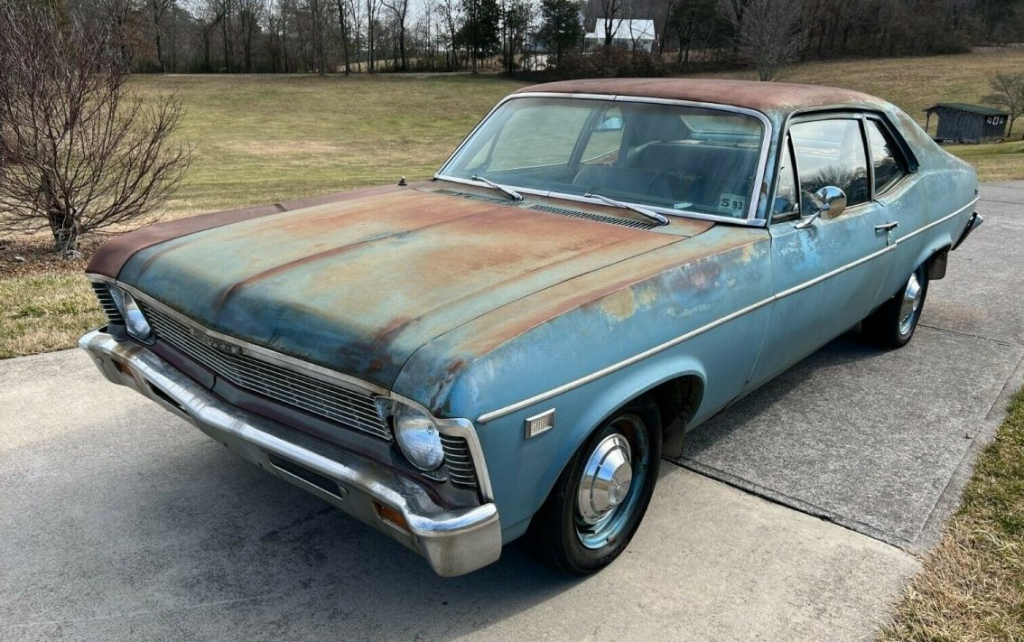
Despite these benefits, preserving original paint is not without its drawbacks. The most significant concern is ongoing metal degradation. Microscopic surface rust left untreated underneath a protective coating will continue to feed on trapped moisture and oxygen, eventually causing bubbling, blistering, and structural rust-through.
Furthermore, patina preservation requires precise chemical prep work; applying a oil or wax-based rust inhibitor can prevent future clear coating, while improper sanding can burn right through remaining thin paint layers down to bare metal. Finally, from an aesthetic standpoint, preserved patina is subjective; while enthusiasts appreciate the aged look, traditional restorers may simply see an unfinished project.
Decontaminating and Removing Surface Rust Without Stripping Metal
The restoration process begins with a meticulous cleaning phase aimed at removing decades of imbedded road grime, tree sap, wax remnants, and loose surface rust without cutting into the surviving paint underneath. Standard car soaps are generally too mild to cut through aged contaminants, so starting with a dedicated wax-and-grease remover or a mild soap wash using ultrafine scuff pads is reccommended. Gently scuffing the surface breaks down oxidation and cleans out the micro-cracks in the paint while leaving the underlying color intact.
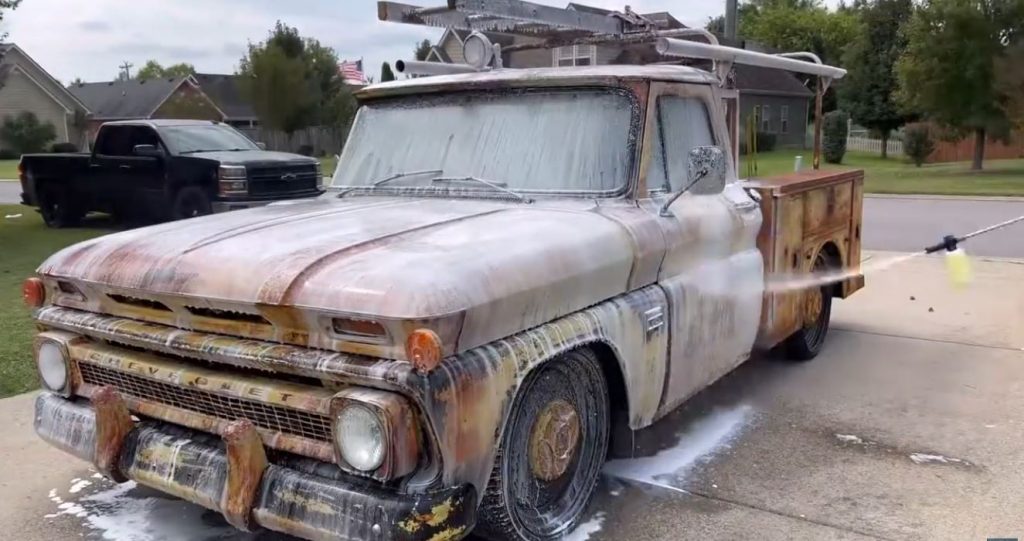
To address surface rust blooms where raw metal is exposed, harsh mechanical grinding or heavy-grit sandpaper should be avoided entirely. Instead, chemical rust removers and non-abrasive rust eliminators can be applied directly to affected areas. These specialized prep solutions react chemically with iron oxide, converting active rust into a stable, inert compound that can be wiped away cleanly. For areas with stubborn surface scaling, a light hand-rubbing with fine steel wool soaked in a rust-converting solution carefully levels the texture without abrading the surrounding factory paint or primer edges.
Sealing and Protecting the Finish for the Long Haul
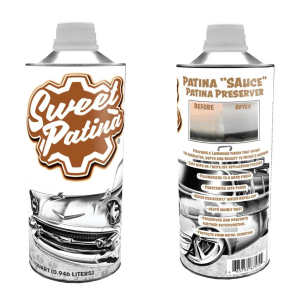
Once the metal is clean, chemically neutralized, and completely dry, the finish needs be sealed to block moisture and oxygen from restarting the oxidation process. The choice of sealant depends on the desired appearance and level of permanence. Liquid patina oils, such as Sweet Patina’s “Patina Sauce” offer a satin, natural look that deepens color and highlights character lines. These wipe-on sealants penetrate deeply into raw metal pores and micro-fissures, creating a water-repellent barrier that can easily be touched up over time without thick buildup.
For a permanent, low-maintenance finish, applying a clear topcoat provides the maximum level of UV and environmental protection. Utilizing a dedicated two-part urethane satin or matte clear coat locks the entire body in a durable, sealed shell without adding an artificial, high-gloss shine that makes aged paint look unnatural. Proper prep is important prior to spraying clear coat: every inch of the body must be thoroughly wiped down with solvent cleaner to ensure total adhesion. Once cured, a sealed patina finish retains all its vintage character while providing long-lasting protection against the elements.
There’s a valid argument to consider against using a clearcoat. Rust is alive, even after you decontaminate, it’s still alive. Over time, that rust will grow and come up through the clear. Once that happens the only solution is to strip all the clear and paint, and start with a fresh paint job, which ruins your patina. Be aware of this when using any sort of spray or wipe on clear coat.
If you have any other questions, please feel free to call our friendly techs at (203) 235-1200 or hop on SS396.com!