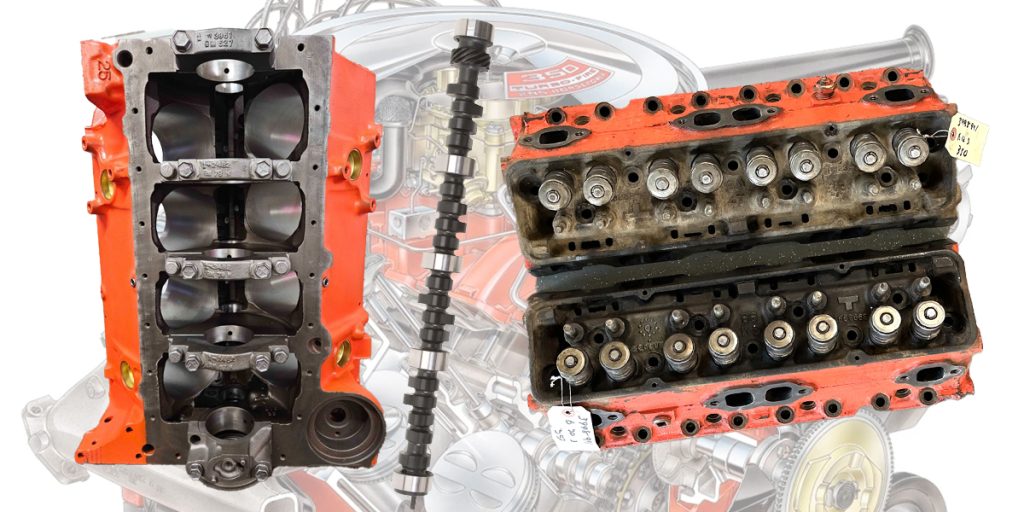
On paper, a Chevy 350 is a Chevy 350. Same bore, same stroke, same legendary small-block architecture that powered everything from grocery-getting sedans to Trans-Am champions. But anyone who’s spent time digging through casting numbers, factory service manuals, or junkyard cores knows the truth: not all 350s were created equal, and where that engine lived – Nova, Camaro, Corvette, or Chevelle often dictated how it was built, tuned, and intended to be used.
The confusion comes from the fact that GM reused the same displacement across wildly different platforms. Compact Novas, pony-car Camaros, and mid-size Chevelles all wore the “350” badge at various points, but the engines themselves reflected each car’s mission, price point, and market position.
The Common Ground: The Small-Block Foundation
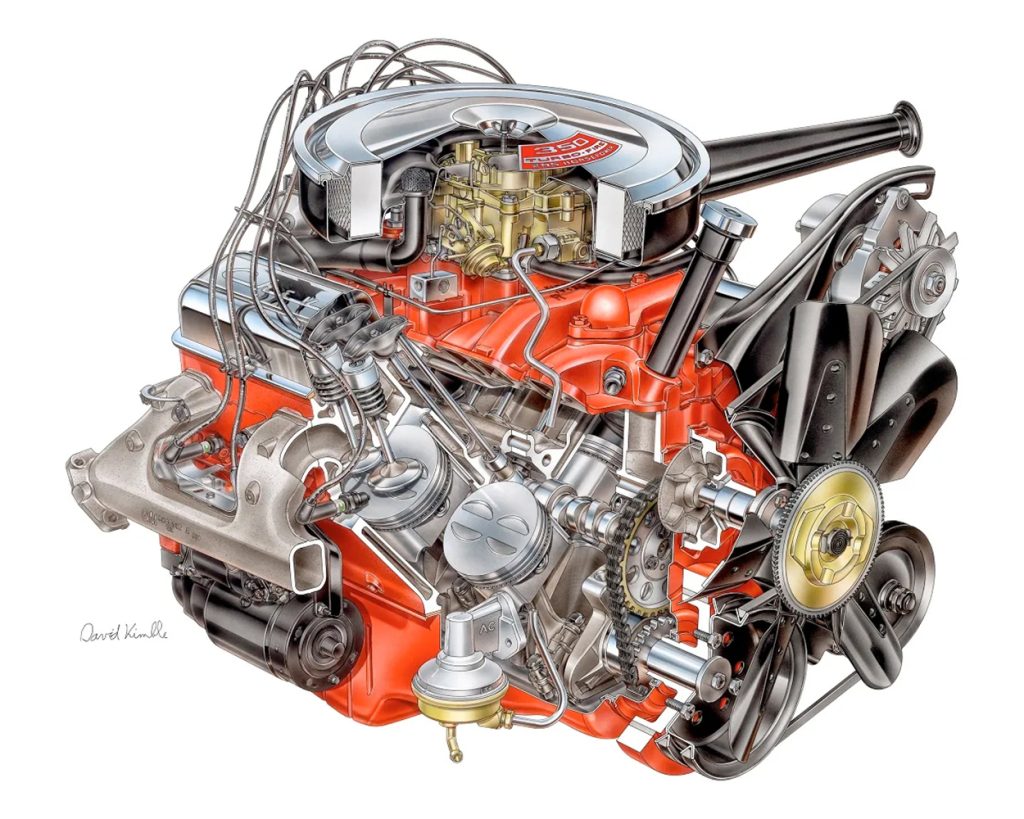
At their core, Nova, Camaro, and Chevelle 350s shared the same basic architecture:
-
4.00-inch bore
-
3.48-inch stroke
-
Cast iron block and heads (from the factory)
-
Hydraulic flat tappet camshafts (through the 1970s)
GM didn’t design separate “Nova blocks” or “Camaro blocks.” The differences came down to internal components, cylinder heads, cam profiles, compression ratios, induction, exhaust, and tuning. These were all driven by vehicle weight, intended use, emissions rules, and marketing strategy.
Click Here For Chevy SBC Casting Numbers
Nova 350: The Budget Performance Engine
The Nova was GM’s lightweight, compact platform, and its 350 offerings reflected that role. While early Novas relied heavily on inline-sixes and small V8s, later performance trims brought the 350 into play but usually in more conservative form.
Most Nova 350s were:
-
Lower compression than Camaro or Chevelle equivalents
-
Equipped with milder camshafts
-
Paired with smaller carburetors (often 2-barrel or small 4-barrel setups)
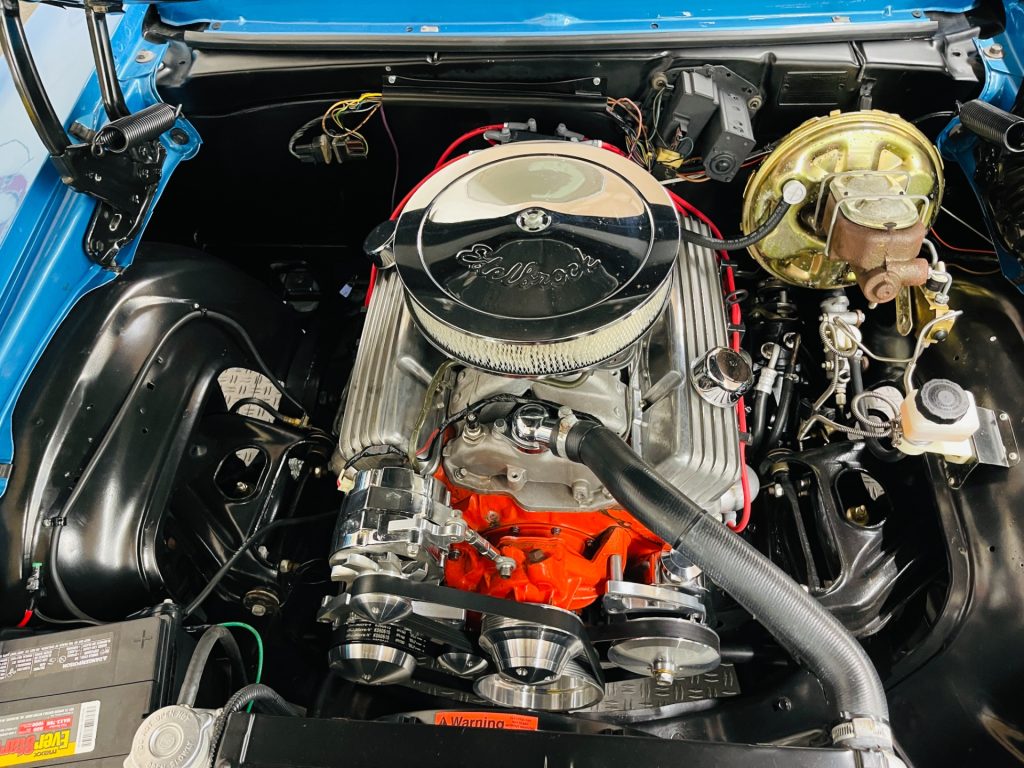
This wasn’t because the Nova couldn’t handle power, it absolutely could. It’s because GM positioned it as a cost-effective performance option, not a flagship muscle car. The lighter Nova didn’t need aggressive cam timing or high compression to feel quick, and GM intentionally avoided cannibalizing Camaro and Chevelle sales.
The upside? Nova 350s are often incredibly street-friendly: smooth idle, strong low-rpm torque, and excellent drivability. The downside is that they typically lacked the factory performance hardware enthusiasts chase today.
Camaro 350: Balanced Performance and Rev-Happiness
Camaro 350s lived in the sweet spot between affordability and performance. As GM’s pony car, the Camaro was expected to feel sporty, rev freely, and compete directly with Mustangs, Challengers, and Barracudas.
As a result, Camaro 350s often received:
-
Higher compression ratios (especially pre-1971)
-
Better flowing cylinder heads
-
More aggressive camshaft profiles
-
Larger carburetors and better intake manifolds
Even non-SS Camaro 350s tended to be tuned with throttle response and mid-range punch in mind, while SS and performance packages pushed things further with upgraded exhaust, ignition curves, and sometimes unique part combinations.
Camaro engines also benefited from better factory exhaust routing than Novas, which helped them breathe and rev more freely. This made many Camaro 350s feel stronger at higher RPM, even when advertised horsepower numbers didn’t tell the whole story.
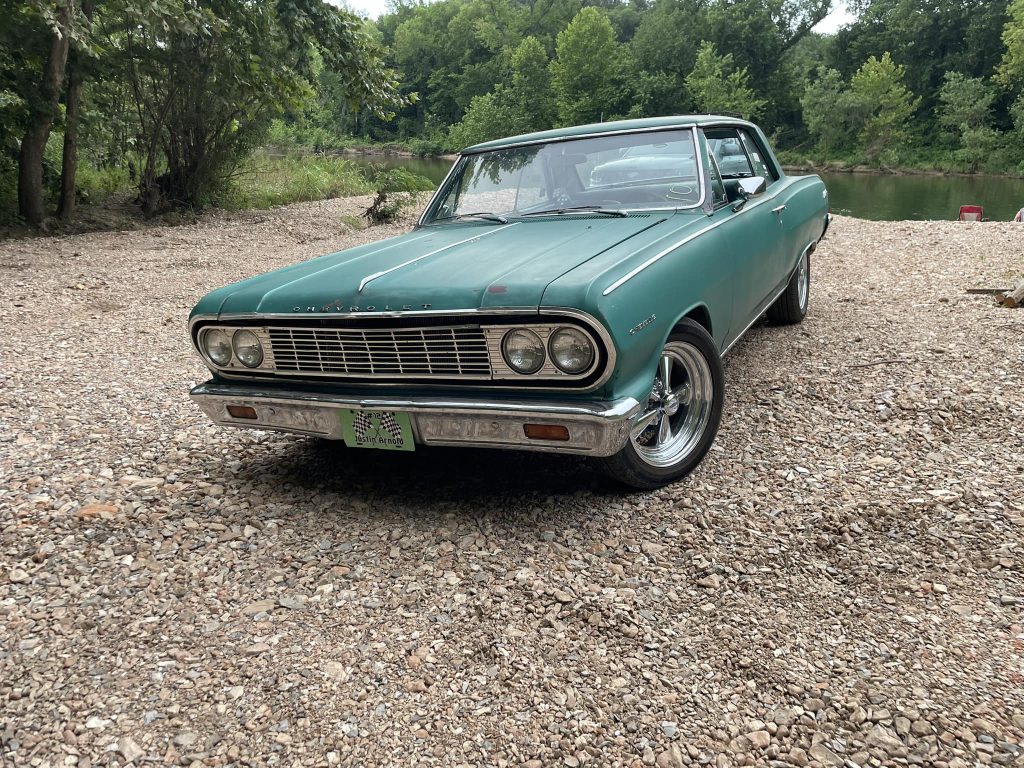
Chevelle 350: Torque First, Always
Chevelle 350s lived in heavier mid-size bodies, and GM tuned them accordingly. While the Chevelle is often remembered for big-block dominance, the 350 played a crucial role as the everyday performance V8.
Compared to Camaro engines, Chevelle 350s typically featured:
-
Torque-focused cam profiles
-
Slightly lower RPM power peaks
-
Induction tuned for mid-range pull rather than top-end
-
Gear ratios designed for street cruising and highway use
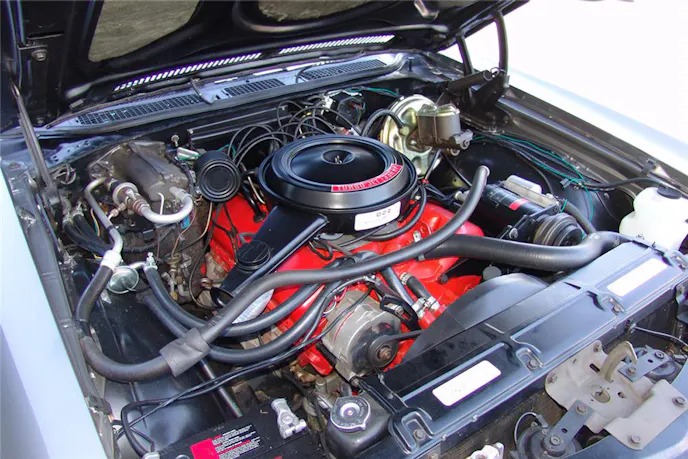
In other words, Chevelle 350s were designed to move weight comfortably. They didn’t need to scream at high RPM to feel strong. Instead, they delivered usable torque right off idle, which made them excellent daily drivers and deceptively quick from a roll.
Because of emissions regulations creeping in during the early 1970s, later Chevelle 350s also saw compression reductions sooner than some Camaro variants but again, torque masked those changes well in real-world driving.
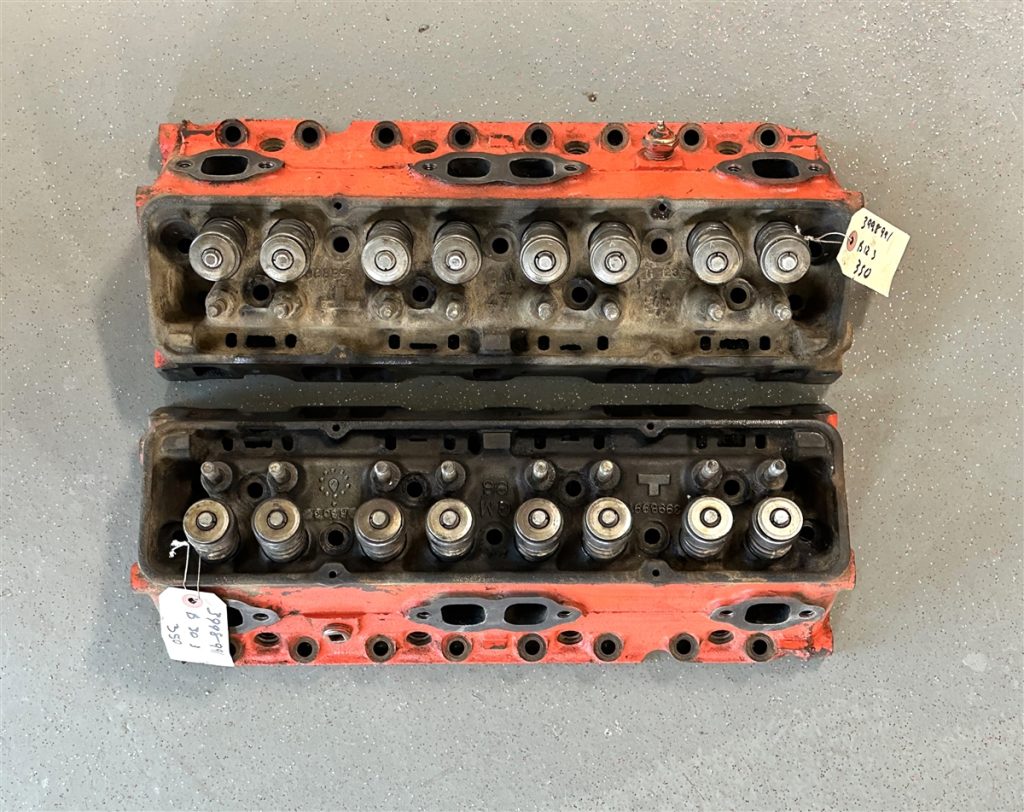
Heads, Cams, and Compression: Where the Real Differences Lived
If you’re hunting for the differences, look past the block casting and focus on these areas:
Cylinder Heads:
Camaro and Chevelle performance trims often received better flowing heads with larger valves, while Nova engines typically used more basic castings.
Camshafts:
Camaro cams were usually the most aggressive, Nova cams the mildest, and Chevelle cams split the difference with torque-biased timing.
Compression Ratios:
Pre-1971 Camaro and Chevelle engines often ran higher compression than Nova equivalents. Post-1971, all three platforms suffered compression drops due to emissions rules.
Carburetion:
Camaro 350s were more likely to receive larger 4-barrel carbs, while Nova engines often used smaller units or 2-barrels in base trims.
Marketing vs. Mechanics
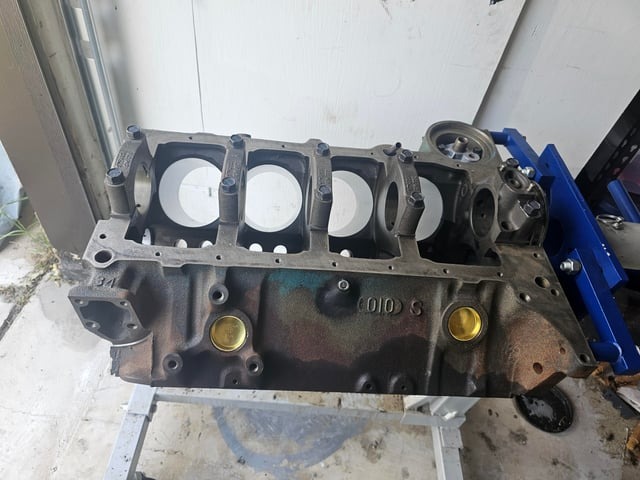
One of the biggest misconceptions is that these engines were radically different mechanically. In reality, GM used strategic tuning and component selection to create distinct driving experiences without reinventing the engine.
-
Novas were kept affordable and street-friendly
-
Camaros were tuned for excitement and image
-
Chevelles prioritized drivability and torque
Same displacement. Same bones. Different personalities.
What This Means for Builders Today
If you’re building or swapping a 350 today, the original platform matters far less than the parts bolted to it. A Nova 350 block can be built to outperform a factory Camaro engine. A Chevelle 350 bottom end is just as capable as any other small-block when properly prepped.
What does matter is understanding:
-
Original head castings
-
Compression height
-
Intended RPM range
-
Vehicle weight and gearing
That knowledge lets you build the engine the factory would have built if it weren’t constrained by cost, emissions, or marketing.
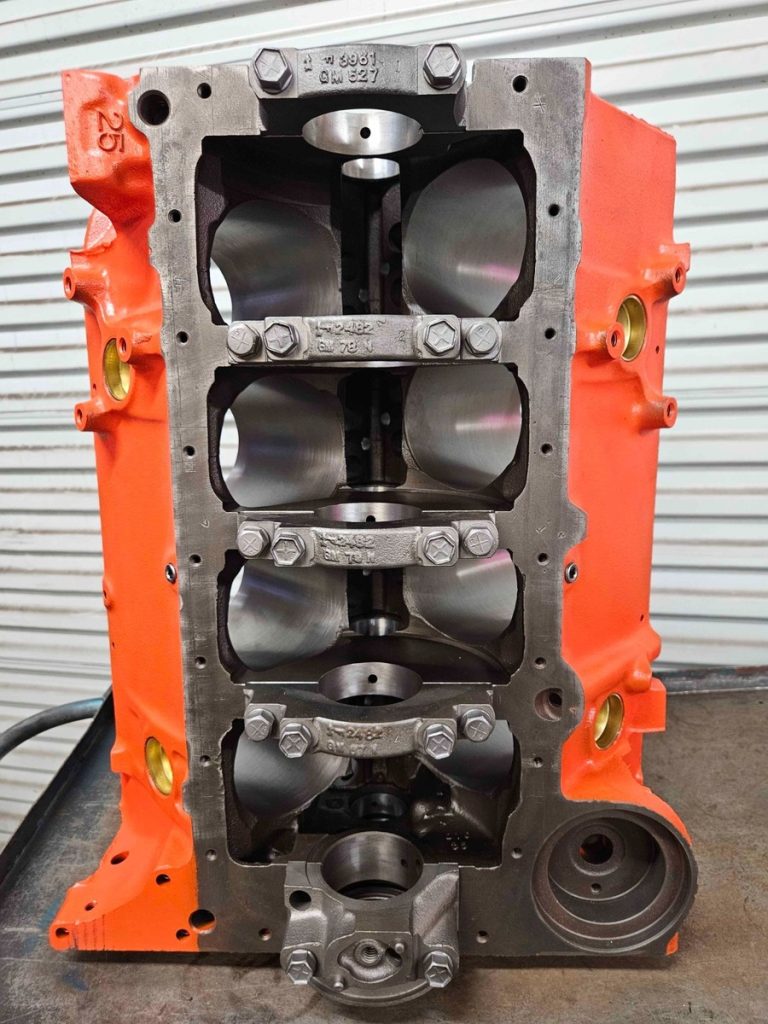
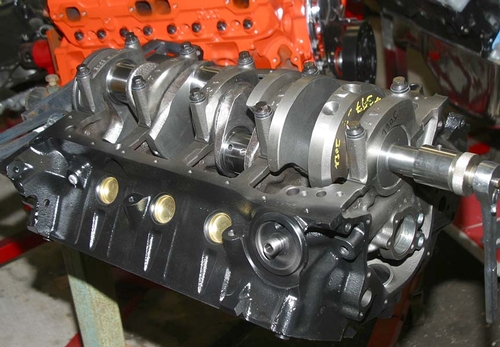
BLOCKS: 2-Bolt vs. 4-Bolt (This Is Where Myths Start)
The Reality
-
Most factory 350s were 2-bolt main blocks
-
4-bolt mains were tied to horsepower level and duty cycle, not the car itself
Nova 350
-
Overwhelmingly 2-bolt mains
-
Castings like:
-
3970010 (common, usually 2-bolt in Nova use)
-
-
Why:
-
Lightweight car
-
Lower factory RPM limits
-
Cost containment
-
A Nova almost never needed a 4-bolt from GM’s perspective.
Camaro 350
-
Mixed bag
-
2-bolt for:
-
Base 350s
-
Non-performance trims
-
-
4-bolt more common in:
-
SS models
-
Higher advertised HP engines
-
-
Same block castings as Nova/Chevelle, just machined differently
Chevelle 350
-
Mostly 2-bolt
-
4-bolt appeared in:
-
Higher-performance trims
-
Heavier-duty applications
-
-
GM favored torque over RPM, so 4-bolt wasn’t mandatory
COMPRESSION RATIOS (Where the Feel Comes From)
Pre-1971 (gross HP era)
This is where differences mattered most.
Nova 350
-
Typical compression:
-
9.0:1 – 9.5:1
-
-
Conservative to run on regular fuel
-
Result:
-
Smooth idle
-
Strong low-end
-
Less top-end bite
-
https://www.youtube.com/watch?v=i9io_DknQ3U
Camaro 350
-
Typical compression:
-
10.0:1 – 11.0:1 (depending on year and trim)
-
-
Especially true for:
-
1968–1970 performance engines
-
-
Result:
-
Crisper throttle response
-
Higher rev ceiling
-
More detonation sensitivity
-
Chevelle 350
-
Typical compression:
-
9.5:1 – 10.25:1
-
-
Tuned for:
-
Torque
-
Moving mass
-
-
Result:
-
Broad powerband
-
Less “revvy” than Camaro
-
Post-1971 (net HP era)
All three platforms dropped to:
-
8.25:1 – 8.75:1
-
Due to:
-
Emissions
-
Low-lead fuel
-
Cam timing retard
-
After this point, platform differences blurred heavily.
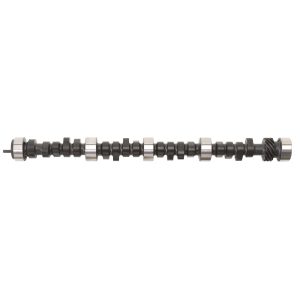
CAMSHAFT SPECS (THIS is where personality lived)
Nova 350 Cams
-
Short duration
-
Minimal overlap
-
Examples (typical range):
-
Duration @ .050: ~190–200°
-
Lift: ~.390–.410″
-
-
Why:
-
Idle quality
-
Vacuum for power brakes
-
Drivability
-
Novas felt quick because they were light, not because the cam was wild.
Camaro 350 Cams
-
Most aggressive of the three
-
Especially in SS trims
-
Examples:
-
Duration @ .050: ~210–222°
-
Lift: ~.430–.447″
-
-
More overlap
-
Result:
-
Lopey idle (especially pre-’71)
-
Strong mid-to-top end
-
Higher RPM power
-
This is why Camaro 350s felt faster even at similar HP numbers.
Chevelle 350 Cams
-
Torque-biased profiles
-
Examples:
-
Duration @ .050: ~204–214°
-
Lift: ~.410–.430″
-
-
Wider lobe separation
-
Result:
-
Smooth idle
-
Strong midrange
-
Pulls hard from low RPM
-
Chevelle cams were about moving weight, not impressing at idle.
CYLINDER HEADS (Quiet but Critical)
Valve Sizes
-
Base engines:
-
1.94 / 1.50 valves
-
-
Performance trims:
-
2.02 / 1.60 valves (mostly Camaro & Chevelle)
-
Nova Heads
-
Smaller valves more common
-
Conservative ports
-
Good velocity, limited top-end
Camaro Heads
-
Better chance of:
-
Larger valves
-
Better port shapes
-
-
Especially in SS models
Chevelle Heads
-
Often similar to Camaro
-
Slightly smaller ports favored velocity
-
Torque-focused airflow
CARB & INTAKE
Nova
-
2-barrel common
-
Small 4-barrels when equipped
-
Restrictive intakes more common
Camaro
-
4-barrel more likely
-
Better intake castings
-
Tuned for airflow
Chevelle
-
4-barrel common
-
Intake tuning prioritized midrange
| Feature | Nova 350 | Camaro 350 | Chevelle 350 |
|---|---|---|---|
| Main Caps | Mostly 2-bolt | 2- & 4-bolt | Mostly 2-bolt |
| Compression | Lowest | Highest | Mid |
| Cam Aggression | Mild | Aggressive | Torque-focused |
| RPM Bias | Low | High | Mid |
| Heads | Smaller valves | Larger valves common | Balanced |
| Personality | Smooth & streetable | Revvy & exciting | Strong & torquey |
If you need any parts for your 350 equipped Camaro, Nova, or Chevelle be sure to hop on SS396.com or give our friendly techs a call at (203) 235-1200!