G-Body Legends: Grand National, Monte SS, and 442
In the 1980s, American performance didn’t look like it had in the decades before. Big-blocks were gone, compression ratios were down, and emissions rules had
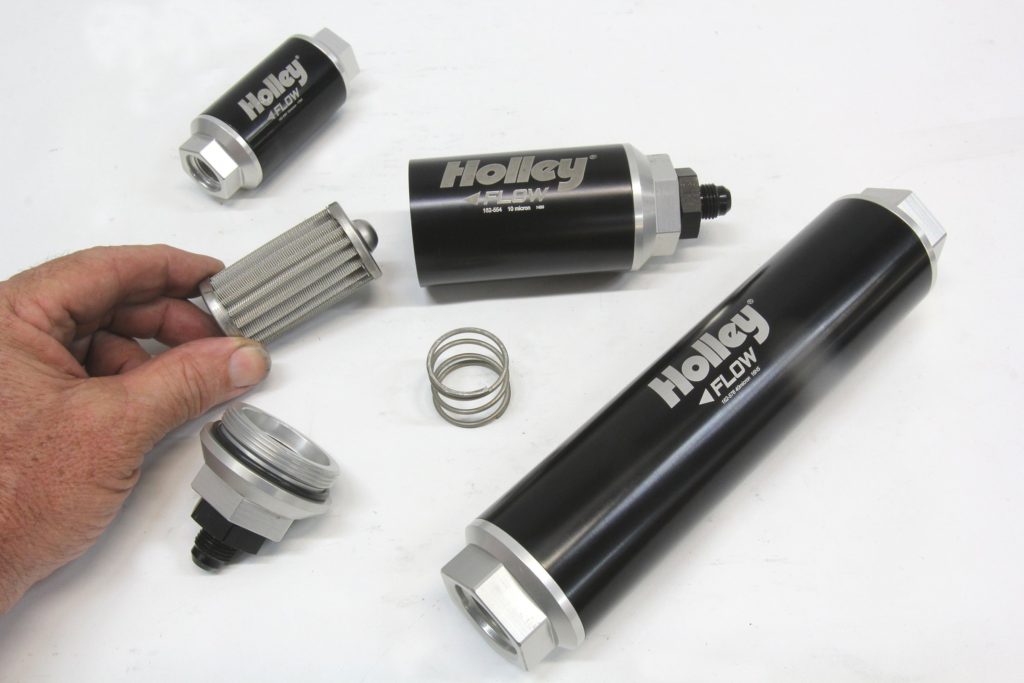
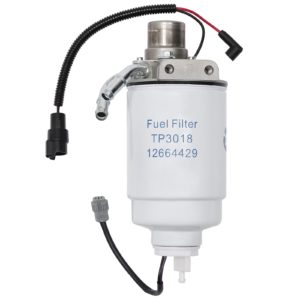
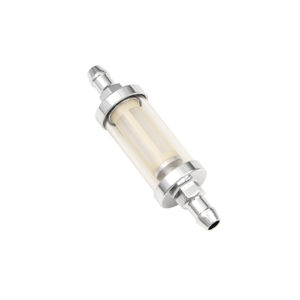
Fuel filters are an essential component of any vehicle’s fuel system, playing an important role in keeping the engine running smoothly. Fuel filters come in different varieties depending on the application. Their purpose is to keep clean fuel running the engine for trouble-free operation.
Fuel filters are typically constructed from materials such as:
Fuel filters are rated based on their ability to capture particles of a certain size, measured in microns (μm). Common micron ratings for fuel filters range from 2μm to 30μm. A lower micron rating indicates finer filtration, but it may also result in higher flow resistance and shorter filter life.
Carbureted engines and EFI (Electronic Fuel Injection) systems have different fuel filter requirements:
Regular maintenance of fuel filters is essential to ensure optimal engine performance and prevent fuel system problems. Here are some tips for fuel filter maintenance:
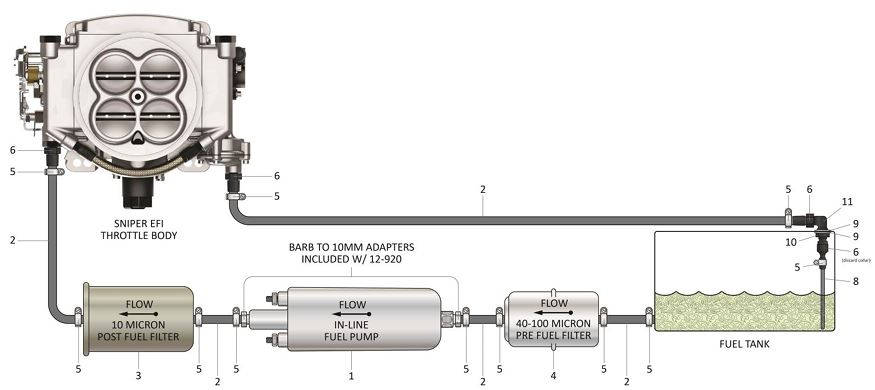
How do you determine what’s the best filter for your ride? That really depends on your fuel system. A carbureted engine can tolerate more contaminants in the fuel as it just has to flow through the jets. In fuel injection, there needs to be fewer contaminants as the fuel has to be atomized through the injector. For fuel injected applications you’ll also need a pre and post filter. One before the fuel pump, and another after.
Generally speaking, you can’t have too much filtration. You can in that it would cause too much restriction – but let’s go with the train of thought that a bigger filter is a better filter. The biggest aspect though is regular replacement or cleaning of the filter. Maybe after the winter before you pull your ride out of storage, swap out the filter for a fresh one.
Fuel filters are a required component of a vehicle’s fuel system, serving to protect the engine from harmful contaminants and ensure proper fuel delivery. By understanding the different types, materials, micron ratings, and applications of fuel filters, vehicle owners can make informed decisions about maintenance and replacement to keep their engines running smoothly for years to come.
If you have any other questions regarding fuel filters and which one to use, give our friendly techs a call at (203) 235-1200 and hop on SS396.com for all your fuel needs!

In the 1980s, American performance didn’t look like it had in the decades before. Big-blocks were gone, compression ratios were down, and emissions rules had

Understanding the 8.2, 8.5, and 12-Bolt Rear Ends Few components in a classic GM car affect its personality more than the rear axle. Gear ratio,

For decades, muscle cars have lived in a strange split identity. In our minds, they’re loud, raw, borderline unruly machines built for Friday night drags