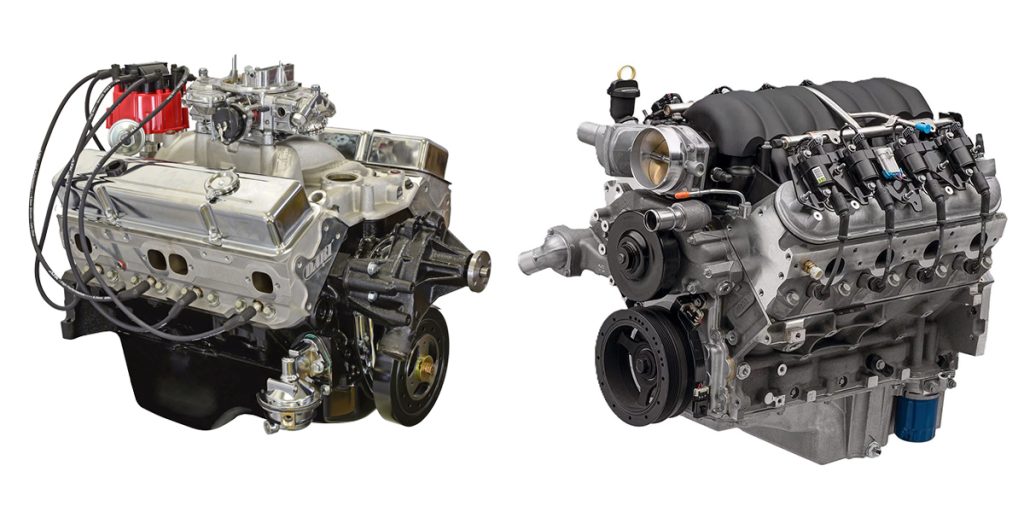
Why the LS Platform Is Better Than Traditional Chevy V8s
For over four decades, the traditional Gen I and Gen II Small Block Chevrolet (SBC) and its heavy-hitting sibling, the Big Block Chevrolet (BBC), reigned

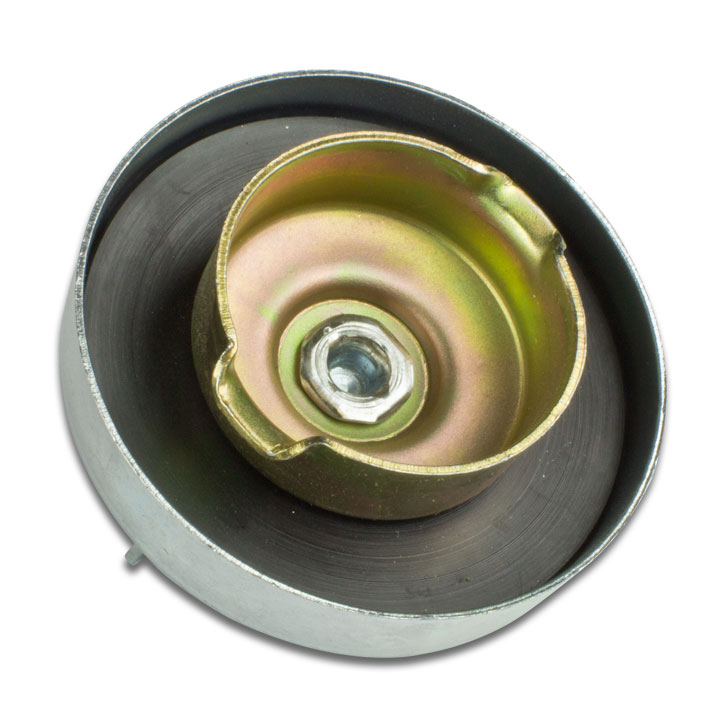
Last month, we discussed the differences between a Vented Vs. Non-Vented Gas Tank. In that article, we also discussed the difference between a Vented and Non-Vented Gas Cap. But what if you have a Non-Vented Tank, can you change it to a Vented tank? Or what if you have a Vented tank, can you change it to a Non-Vented tank?
Before we dive into that, let’s take a really basic look at the fuel system. The fuel tank holds fuel, and the fuel pump pulls that fuel from the tank to feed it to the engine. There has to be air allowed into the tank to replace the fuel that’s missing.
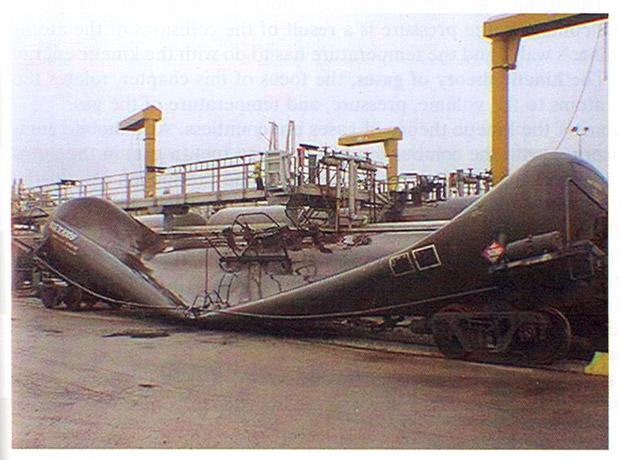
Imagine this: It’s a hot summer day and you grab a bottle of water and start chugging it down. As you’re drinking down the water, the bottle is collapsing because air can’t get into the bottle to replace the water that’s being drank. This same thing is happening with the fuel system. The fuel needs to allow for air to come in or out freely!
Now there are two main ways to accomplish this. Neither one is wrong as they both accomplish the same thing – venting the gas tank.
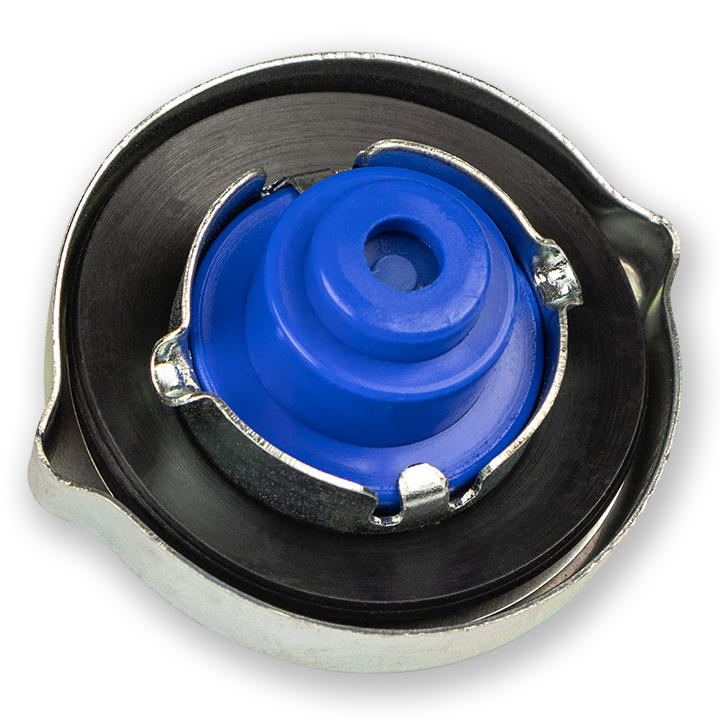
First: Non-Vented Tank with a Vented Gas Cap. This means the air can come in and out of the tank via the gas cap.
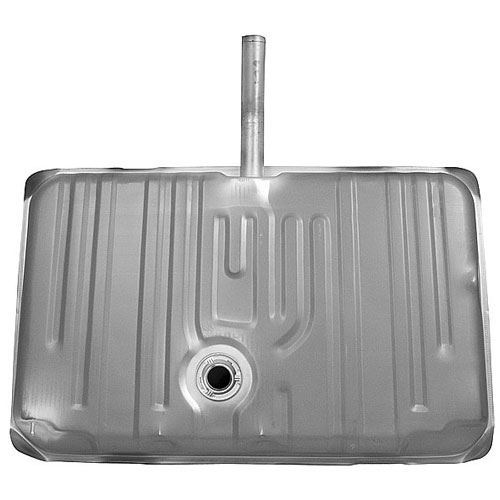
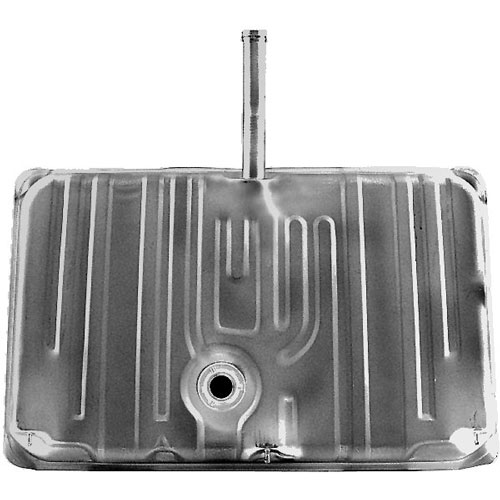
Second: Vented Gas Tank with a Non-Vented Gas Cap. This means the air can come in and out of the tank via the vent on the tank.
Generally on Pre-1970’s cars, the tank would be vented to the atmosphere. On the 1970s and newer models, the tank vent would go into a charcoal canister of some sort.
You could also have a vented tank and a vented gas cap – that won’t hurt anything. However, what you don’t want is a non-vented tank and a non-vented cap! That’s where you’ll have lots of issues, like in our water bottle example. At the end of the day, the biggest thing is that air is able to come in and out of the tank freely.
If you have any more questions, feel free to call our friendly techs at (203) 235-1200 or hop on our site at SS396.com!

For over four decades, the traditional Gen I and Gen II Small Block Chevrolet (SBC) and its heavy-hitting sibling, the Big Block Chevrolet (BBC), reigned

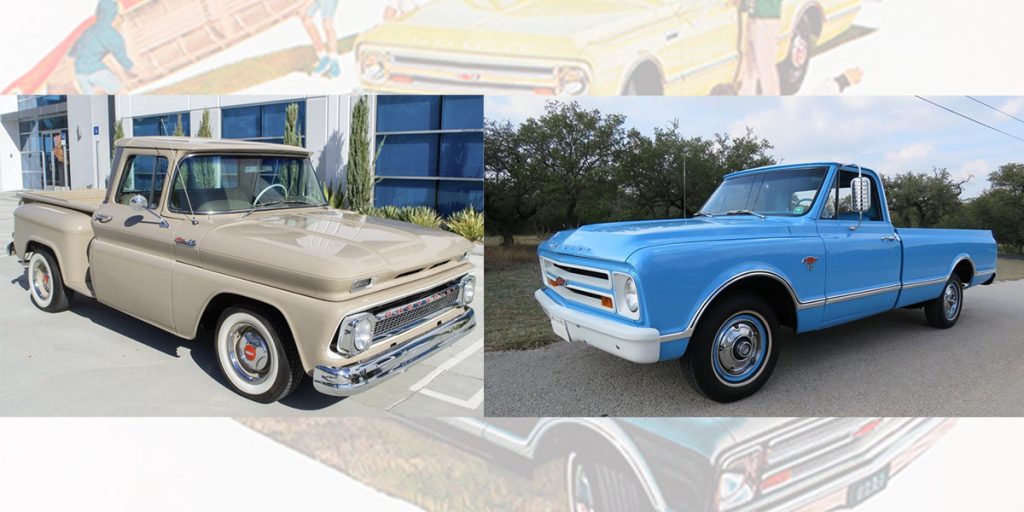
From 1960 to 1972, Chevrolet pickup trucks underwent an evolutionary shift. They transformed from spartan, utilitarian farm tools into comfortable, stylish, daily-driver family vehicles. This
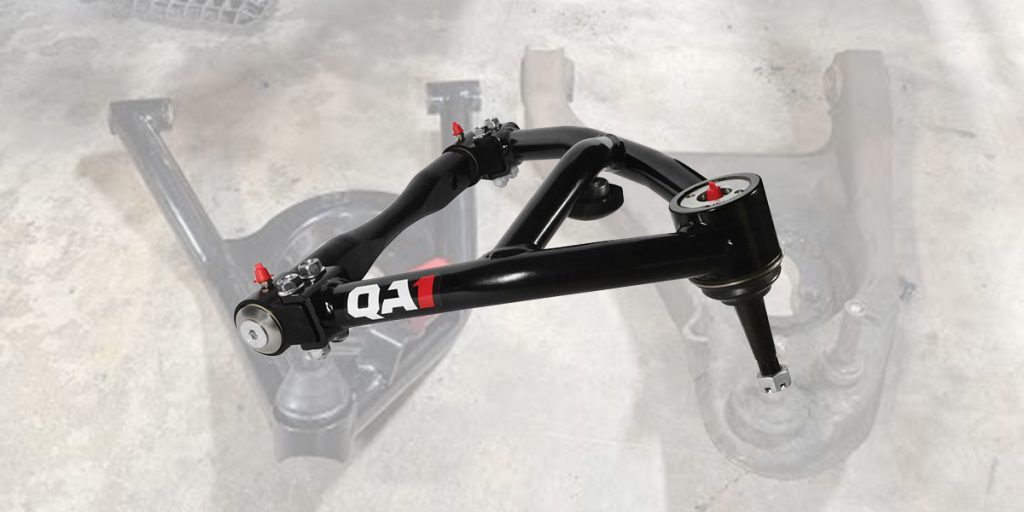
When you drop the hood on a classic 1964–1972 GM A-body like the Chevelle, El Camino, or Monte Carlo, or even Camaro or Nova, it