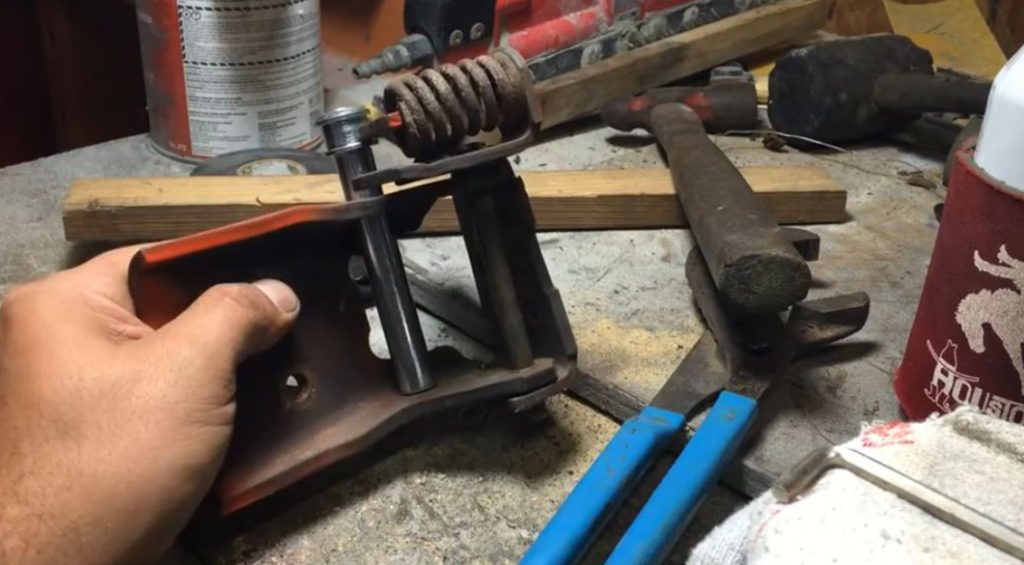
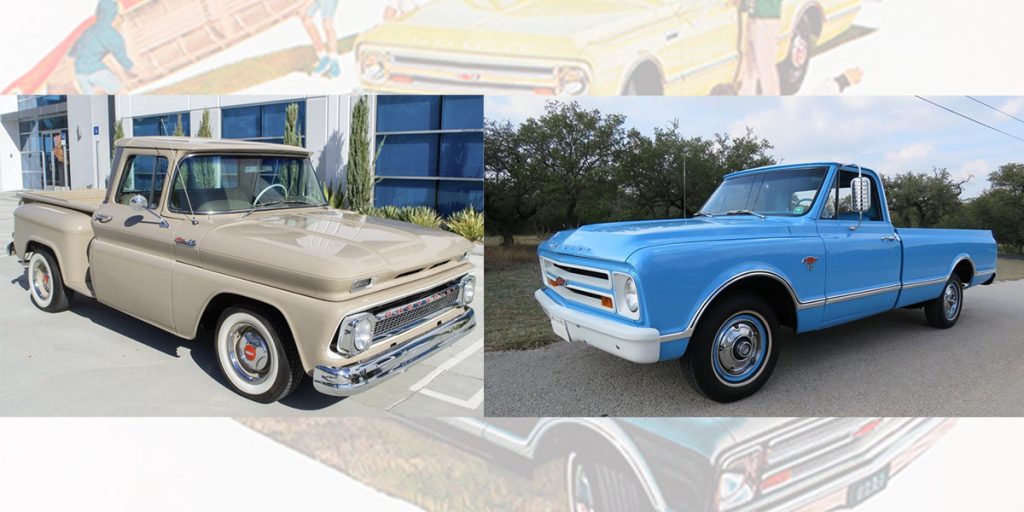
In our last sway bar article, we broke down what a sway bar is, how it works, and why it plays such a major role in controlling body roll. Let’s move past theory and into the real-world decisions enthusiasts face: Should you upgrade? How thick is too thick? Is a rear bar worth it? And what actually happens when you start changing front-to-rear balance?
Sway Bar vs. Anti-Roll Bar: Clearing Up the Terminology
You’ll hear sway bar, anti-roll bar, stabilizer bar, and anti-sway bar used interchangeably. They are all describing the exact same component. The different names simply call out different aspects of the function which is resisting roll or controlling sway.
No matter what you call it, it’s a torsion spring connecting the left and right suspension to control how much the chassis leans during uneven suspension movement or during cornering.
Are Sway Bars Really Necessary?
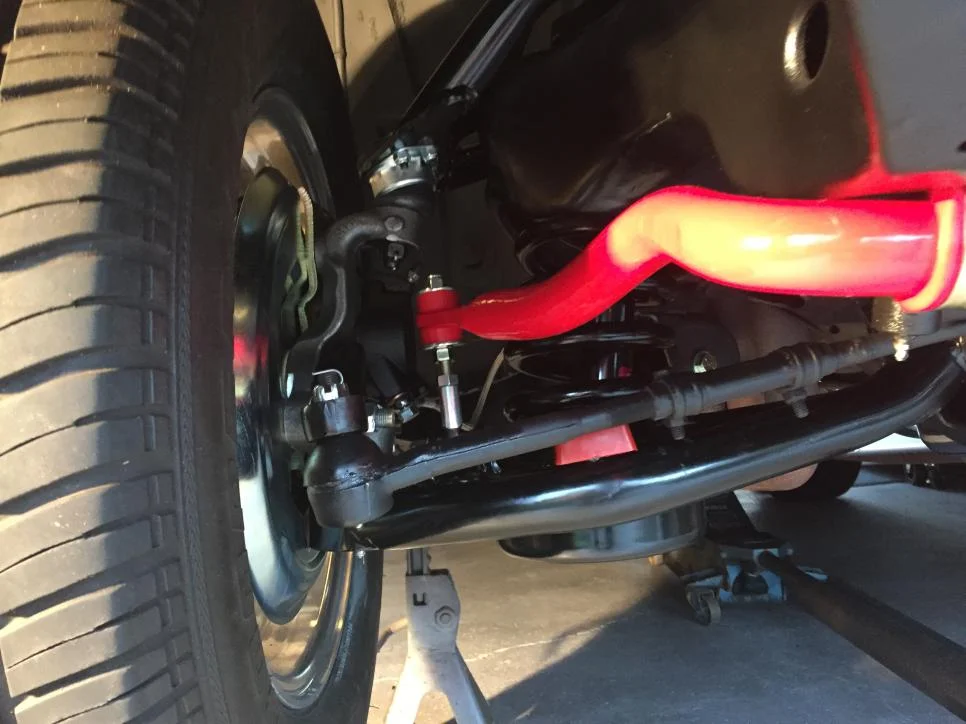
If your car came with sway bars from the factory, there’s a reason. Modern vehicles rely heavily on roll stiffness to maintain predictable handling. Remove a sway bar from a street car and the difference is immediate felt with slower steering response, increased body lean, and a disconnected feel.
On taller vehicles like SUVs or classic trucks with a higher center of gravity, sway bars are even more important. They reduce excessive lean and help prevent abrupt weight shifts that can make a vehicle feel unstable.
However there are specific performance scenarios where disconnecting or removing a sway bar makes sense.
When You Might Not Want One
Drag Racing
In straight-line racing, the goal is weight transfer to the rear tires. Many drag racers disconnect or remove the front sway bar to allow the front suspension to rise more freely on launch. This helps shift weight rearward for traction.
Interestingly, the rear bar becomes more important in high-power drag cars. A stout rear anti-roll bar helps counter torque twist and keeps both rear tires planted evenly, improving straight-line stability.
Serious Off-Road Use
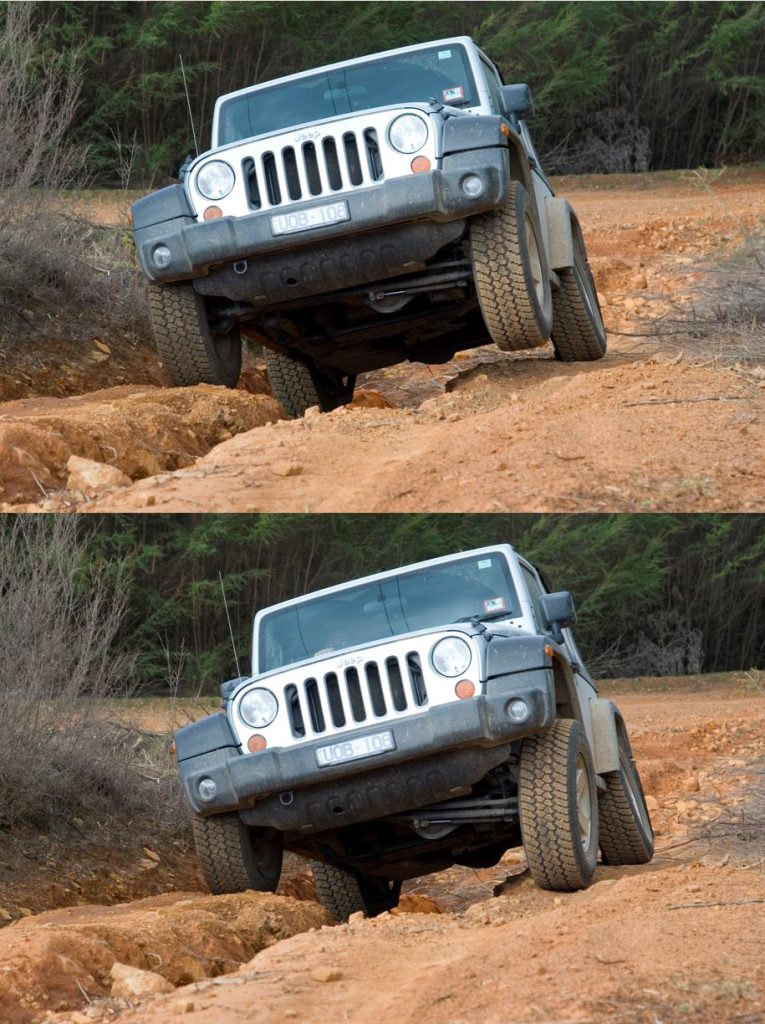
For rock crawling and uneven terrain, suspension articulation is important to keep the tires on the ground. A sway bar resists independent wheel movement which is exactly what you want in a corner, but not on a trail. That’s why many off-road rigs use quick-disconnect end links or electronic disconnect systems.
For normal street driving, though, sway bars are absolutely necessary for predictable behavior.
Do Rear Sway Bars Make a Difference?
Yes and a lot more often than people expect.
Many classic muscle cars came with only a front sway bar. Adding a rear bar can sharpen handling by increasing roll stiffness at the back of the car.
More rear roll stiffness reduces understeer.
The car rotates more willingly through corners.
Steering feels quicker and more balanced.
However, go too stiff in the rear and you can induce oversteer, especially in rear-wheel-drive cars. Typically rear bars are smaller than front bars.

Thicker vs. Thinner: What Actually Happens?
Thicker Bar
Flatter cornering
Quicker left-to-right transitions
More immediate steering response
Potential for increased understeer (if added to the front)
Potential for increased oversteer (if added to the rear)
Harsher ride over uneven pavement
A thicker bar resists twist more strongly. This reduces roll but also increases load transfer across that axle.
Thinner Bar
More compliant ride
Better independence between left and right wheels
Improved traction on uneven surfaces
Slower transient response
A thinner bar allows more suspension articulation and comfort but sacrifices sharpness.
The trick isn’t simply going thicker, it’s achieving the right front-to-rear balance for your car’s weight distribution and intended use.
Fine-Tuning Handling Balance
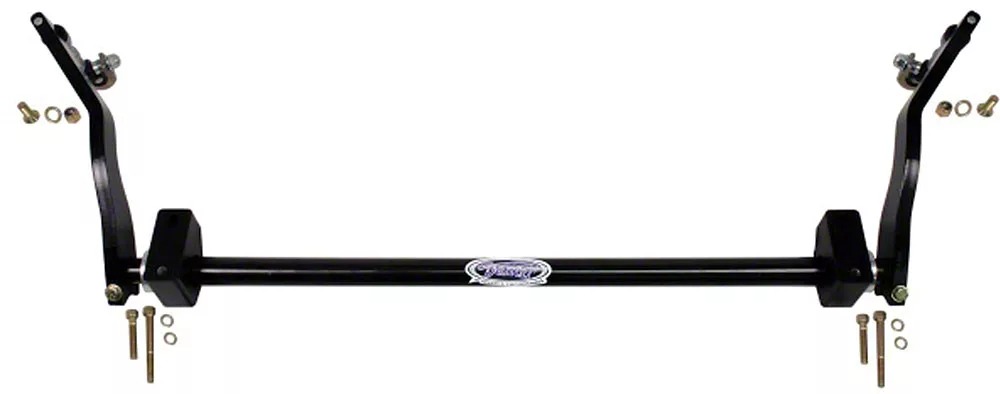
One of the most powerful aspects of sway bars is how they influence understeer and oversteer.
Increase front stiffness → more understeer
Increase rear stiffness → more oversteer
Adjust both proportionally → maintain neutrality while reducing roll
For example:
A front-heavy car that pushes wide in corners often benefits from a stiffer rear bar. This helps the rear rotate and brings the car back toward neutral balance.
A tail-happy car may benefit from either softening the rear bar or increasing front stiffness to stabilize the chassis.
Autocrossers, track-day drivers, and even spirited street drivers frequently use sway bar adjustments as their primary handling tuning tool.
Solid vs. Hollow Bars
When upgrading, you’ll encounter both solid and tubular designs.
Solid bars are compact, durable, and common in OEM setups. They’re typically less expensive.
Hollow (tubular) bars reduce weight while maintaining similar torsional stiffness. For performance applications where unsprung and rotational mass matter, the weight savings can be valuable.
Both function the same way; the difference comes down to weight, packaging, and cost.
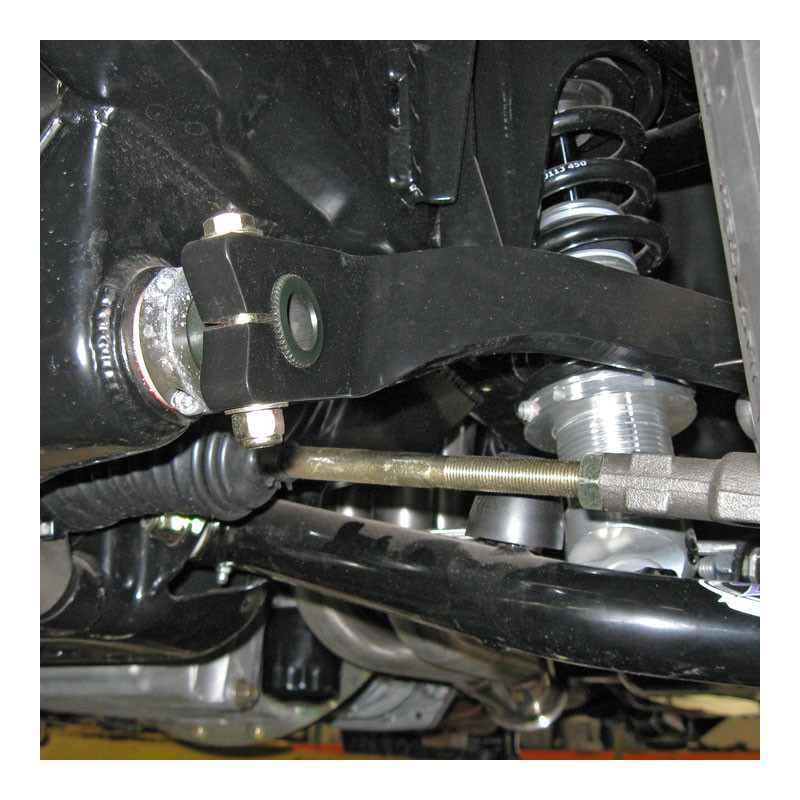
The Often-Ignored Parts: Bushings and End Links
A sway bar is only as good as the components connecting it.
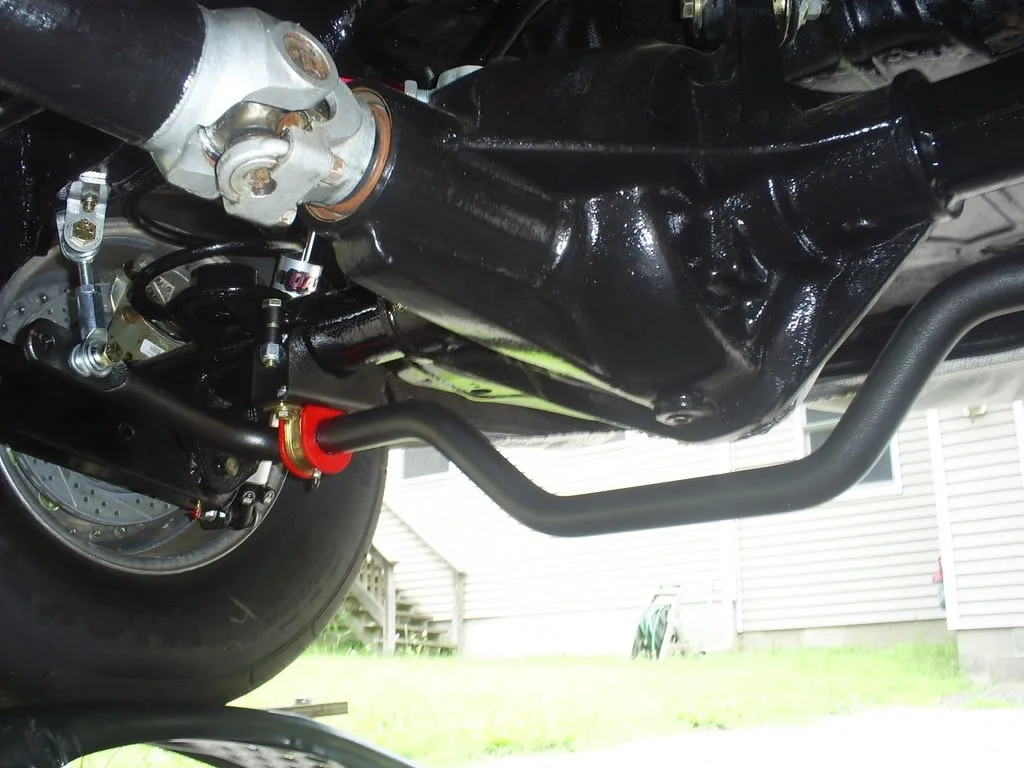
Rubber bushings are all about comfort and noise isolation but allow more deflection. Polyurethane bushings reduce deflection and sharpen response but can introduce squeaks if not lubricated properly.
End links are equally important. Adjustable end links are particularly useful on lowered cars to eliminate preload. Heim-joint or spherical end links remove compliance and improve precision in performance applications.
If you’re rebuilding a classic car, simply replacing worn rubber bushings and tired end links can noticeably improve handling even without changing bar diameter.
Are Aftermarket Sway Bars Worth It?
In most cases, yes.
Sway bars offer one of the best cost-to-benefit ratios in suspension upgrades. Installation is typically straightforward, and improvements in cornering flatness and stability are immediately noticeable.
For performance drivers, a well-chosen sway bar upgrade can transform the car’s personality without the expense of coilovers or a full suspension overhaul.
The key is selecting the right size and configuration for your specific vehicle and driving style – not just the biggest bar available.
The Final Sway
Sway bars are simple, but they are one of the most powerful tools available for tuning a car’s behavior.
They control body roll, influence weight transfer, and dramatically affect understeer and oversteer balance. Whether you’re dialing in a classic muscle car, building a drag setup, setting up a track toy, or fine-tuning a daily driver, understanding how sway bars work and how to tune them gives you real control over how your car feels on the road.
If you’re ready to upgrade your sway bar or your suspension, hop on SS396.com or give our friendly techs a call at (203) 235-1200!