From Generator to Alternator on ’60s & ’70s GM Vehicles
Before using alternators, in the 1950s and early 1960s, GM vehicles used DC generators (often called “dynamos”) to provide electrical power and maintain battery charge. But as automotive technology grew with more accessories, brighter lighting, air conditioning, electric wipers, and eventually electronic ignition, the humble generator simply couldn’t keep up. By 1963–1964, GM began transitioning to alternators, and by 1970 virtually every GM platform relied exclusively on them.
Today, many classic car owners facing dim headlights, unstable voltage, or dead batteries are realizing the same thing GM engineers did decades ago:
an alternator upgrade is one of the most important electrical improvements you can make on a vintage vehicle. Even classic cars that came with alternators can benefit from newer alternators that put out higher amperage.
Understanding the Basics of Generators and Alternators
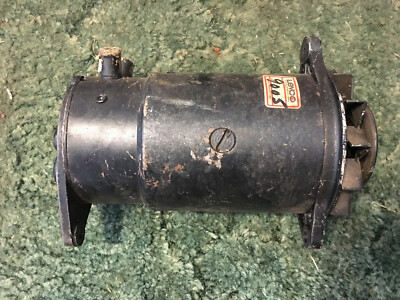
What Is a Generator?
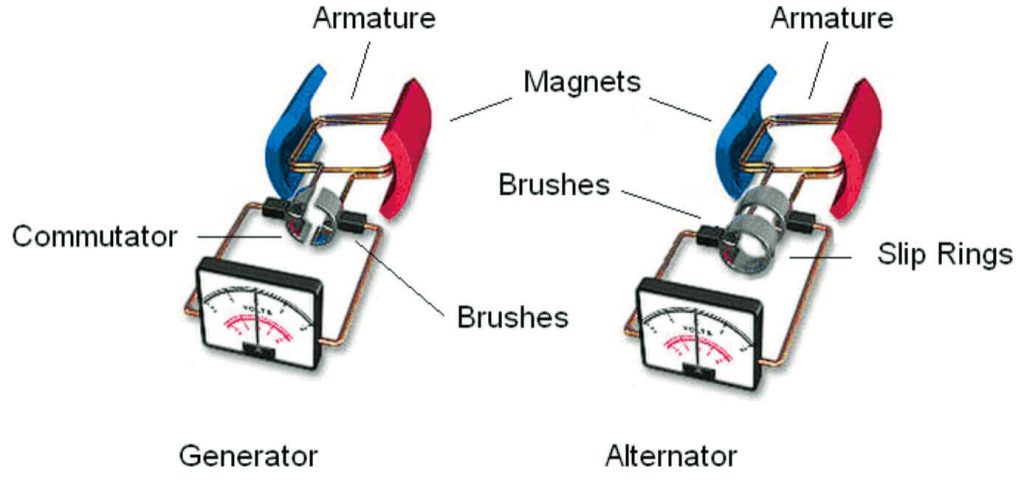
A generator is an older DC charging device that uses mechanical brushes and a commutator to produce electricity. It generates decent voltage at higher RPM, but struggles badly at idle and especially with headlights, fans, or accessories running. Cooling was limited, and maximum output hovered around 30–35 amps on most GM cars.
Typical GM Generator Era (Approx.):
| GM Platform | Generator Used Until |
|---|---|
| Chevrolet Passenger Cars (Bel Air, Impala, Nova) | 1963 |
| Corvair | 1964 |
| Early Chevelle | 1964 |
| Trucks | Mid–1960s |
| Corvette | 1962 |
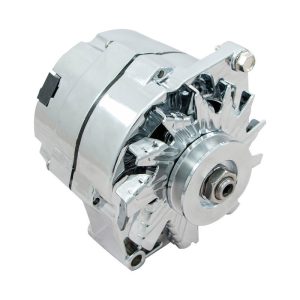
What Is an Alternator?
An alternator produces AC current, converted to DC using internal diodes (a rectifier bridge). It spins more efficiently, makes usable power at idle, and features better cooling. Most GM alternators from the late ’60s onward produced 55–63 amps, with higher-output versions available for A/C cars and police/taxi packages.
Typical GM Alternator Numbers (’60s–’70s):
| Alternator Type | Amp Output | Notes |
|---|---|---|
| 10DN | 37–61 amps | External voltage regulator |
| 10SI | 55–63 amps | First internal regulator design |
| 12SI | 78–94 amps | Late ’70s upgrade / common swap |
Why Upgrade To An Alternator, or High Output Alternator?
Classic GM cars today often run more electrical load than they ever did from the factory:
Electric fuel pumps
High-output ignition systems
Halogen/LED headlights
Cooling fans
A/C retrofits
Modern stereos and amps
EFI conversions
A generator will struggle to support these systems, especially while idling in traffic. Voltage drops lead to stalling, overheating, misfires, or dead batteries.
An alternator solves all of this with:
Strong idle output
Better voltage stability
Easier parts availability
Higher amperage capacity
Improved reliability
Pros & Cons: Generator vs. Alternator
Generator
Pros:
Period correct for restorations
Keeps factory appearance
Works for minimal electrical load
Simple wiring
Cons:
Weak output at low RPM
Limited total amperage
Hard to find service parts
Heavy & less efficient
Alternator
Pros:
High output at all RPM
Supports accessories & modern tech
Easy to source / replace
Lighter & more efficient
Cons:
Not factory-correct for early ’60s cars
Requires wiring changes
Voltage regulator may need to be removed or bypassed
Some brackets must be swapped
What’s Needed for the Swap?

1. Brackets & Mounting
Most GM small-block and big-block engines can use factory-style alternator brackets from:
1964+ GM cars (donor engines)
Aftermarket bracket kits
10SI and 12SI alternators typically fit stock locations
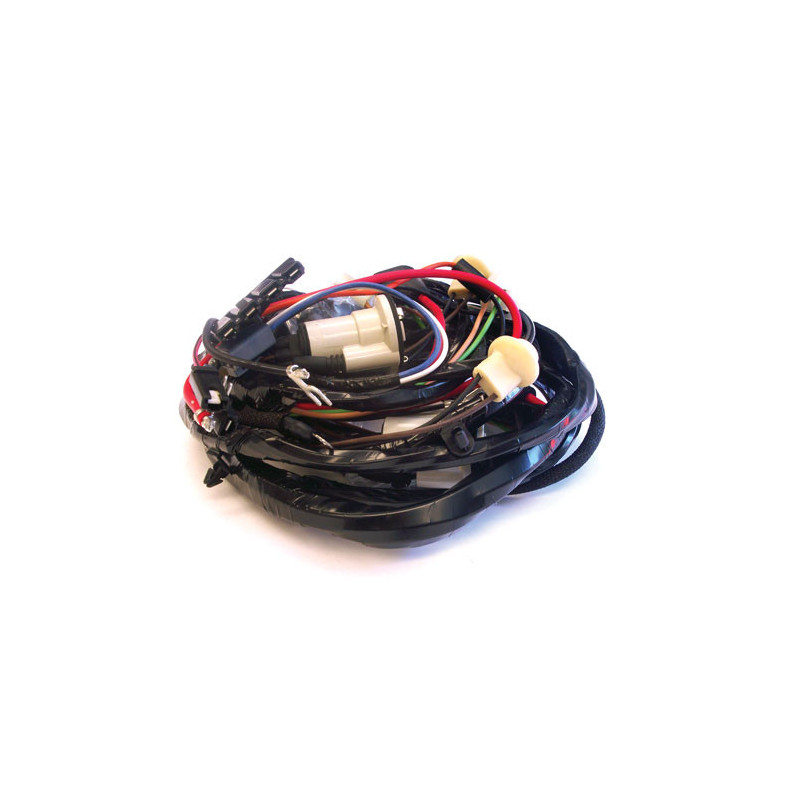
2. Wiring Changes
If the car originally ran a generator with an external voltage regulator, you must:
Remove or bypass the regulator
Rewire the charging circuit
Run heavier gauge wiring if using 70+ amp units
Many builders use a Painless, American Autowire, or homebuilt mini-harness to simplify this process.
3. Pulley Alignment
Generator pulleys differ in diameter, which can affect belt speed. Make sure:
Belt alignment is correct
Pulley diameter is compatible
Correct fan spacing is used
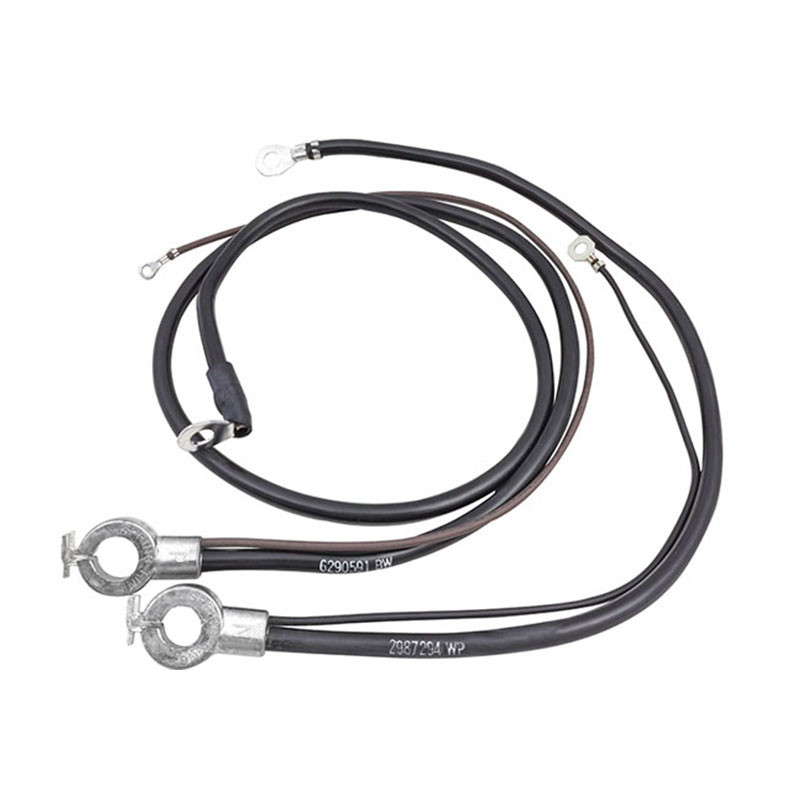
4. Battery Cables & Grounding
High-output alternators demand good grounds. Upgrade to:
4-gauge battery-to-block cable
Clean bare metal ground straps
Dedicated engine-to-chassis ground
Best Alternator Choices (Swap-Friendly GM Units)
| GM Alternator | Output | Ideal For | Notes |
|---|---|---|---|
| 10SI | 55–63A | Basic upgrades | Easy bolt-in, self-regulating |
| 12SI | 78–94A | Fans, EFI, audio | Popular junkyard swap |
| CS130 | 105–140A | EFI/turbo builds | Compact, powerful |
Most enthusiasts prefer the 10SI or 12SI for classic muscle as it has retro looks with modern performance.
Signs Your Generator or Alternator Is Struggling
Headlights dim at idle
Battery dies after cruising at night
Engine stalls in traffic with lights/fan on
Voltmeter fluctuates wildly
Ammeter pegs on discharge while idling
Upgrading from a generator to alternator, or upgrading to a high output alternator is never a bad idea. Even if you don’t need the extra output, the alternator won’t put out those amps unless it’s needed. This can future-proof your build as well in case you decide to add EFI in a few years or anything else.
If you’re looking for a new alternator, hop on SS396.com for a full line up of alternators or give our friendly techs a call at (203) 235-1200!