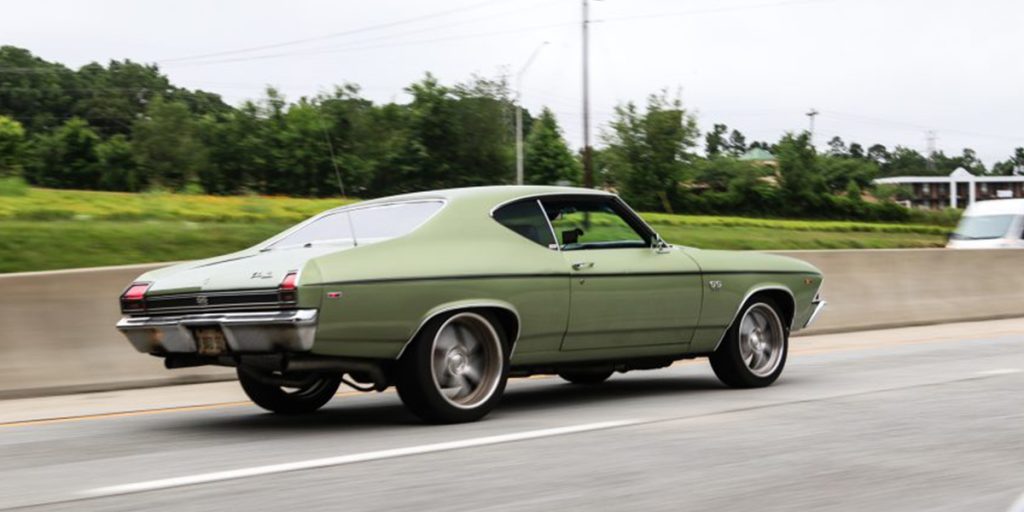
The rivalry between Ford and Chevy is as old as time, and the rivalry between Camaro and Mustang is almost as old. What began as a Ford runaway success story in 1964 quickly turned into a Detroit street fight by 1967. The Mustang had created an entirely new segment, the “pony car” and sold over a million units before Chevy even responded. But when the response did come, it came with fangs.
Round One: Birth of the Pony Car and Ford’s Early Lead (1964½–1966)
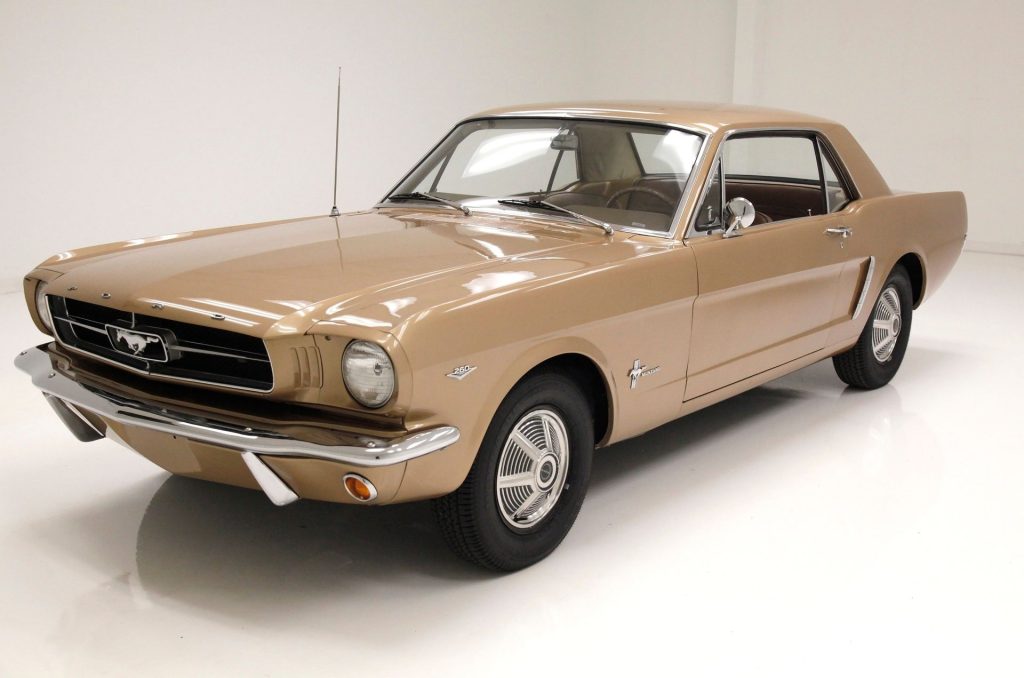
Ford caught the entire industry off guard. The 1964½ Mustang was small, sporty, affordable, stylish, and brilliantly marketed. Buyers from all walks of life lined up, and Ford moved over 680,000 Mustangs in 1965 alone, a record that still stands for the segment.
Chevrolet had… the Corvair. And while the Corvair Monza had some sporty charm, it wasn’t eating the Mustang for lunch. Chevy knew they needed a clean-sheet answer.
Advantage: Mustang
Ford invented the class and dominated it before Chevy even entered the room.
Round Two: The First-Gen Camaro Arrives (1967–1969)
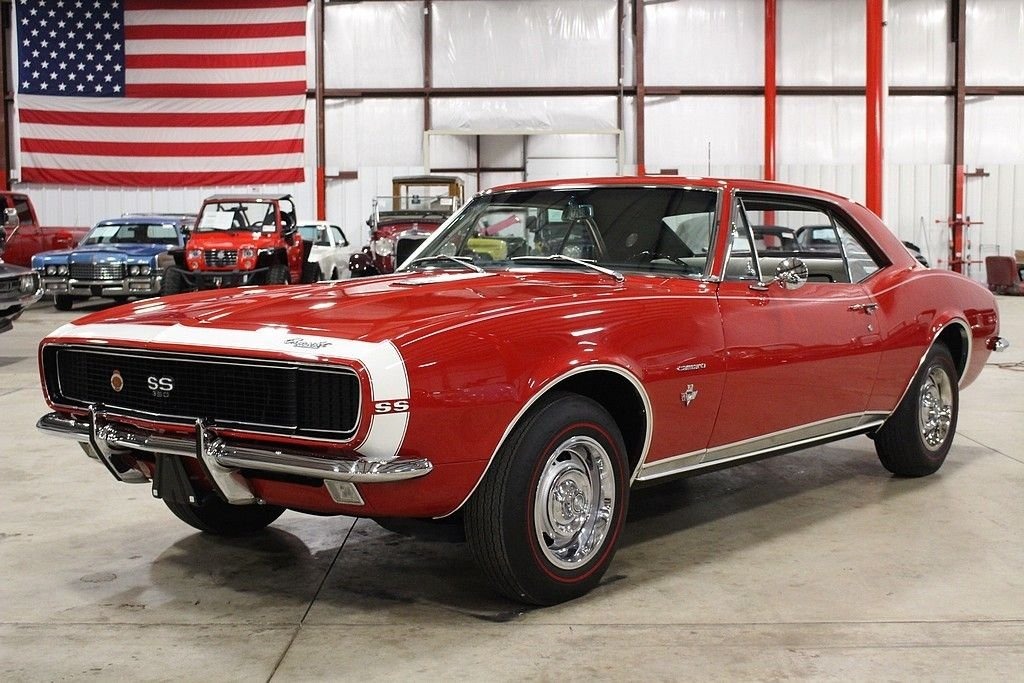
Chevrolet unleashed the Camaro in 1967 on the F-body platform. From day one, it was clear this wasn’t a simple “me too” car. The Camaro was:
Wider and more muscular
Built on a more performance-friendly chassis
Designed with road racing and drag racing in mind
Offered with a massive range of engines and options
Performance Matchups
Engines
Camaro:
230 / 250 inline-six
327, 350, 396 V8s
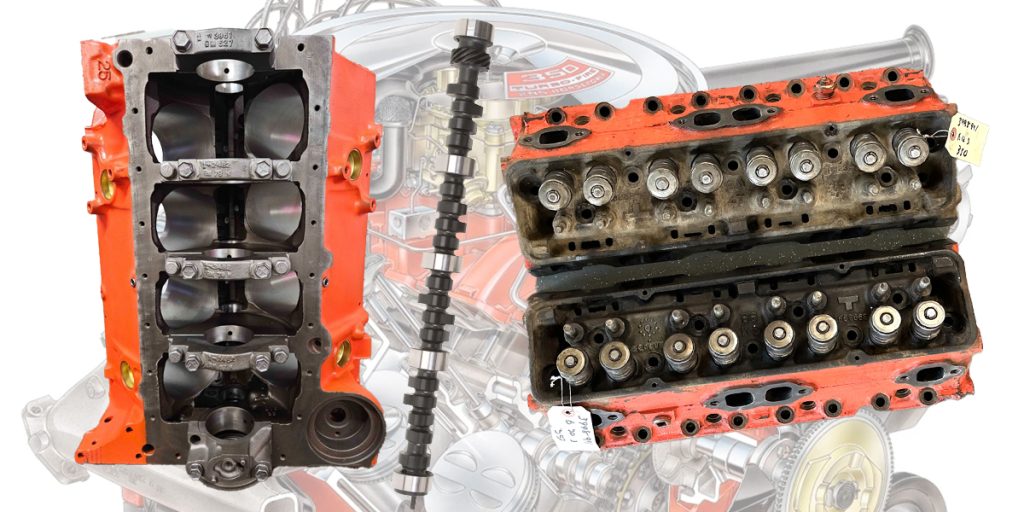
COPO 427s (9561 & 9560), the heavy hitters of 1969
Mustang:
200 / 250 sixes
289, 302, 390, 428 Cobra Jet
Boss 429 (incredibly rare, NASCAR-driven homologation special)
Both cars had their halos. But in real-world street performance, the Camaro benefitted from Chevy’s deeper big-block parts bin and a chassis that responded better to modifications.
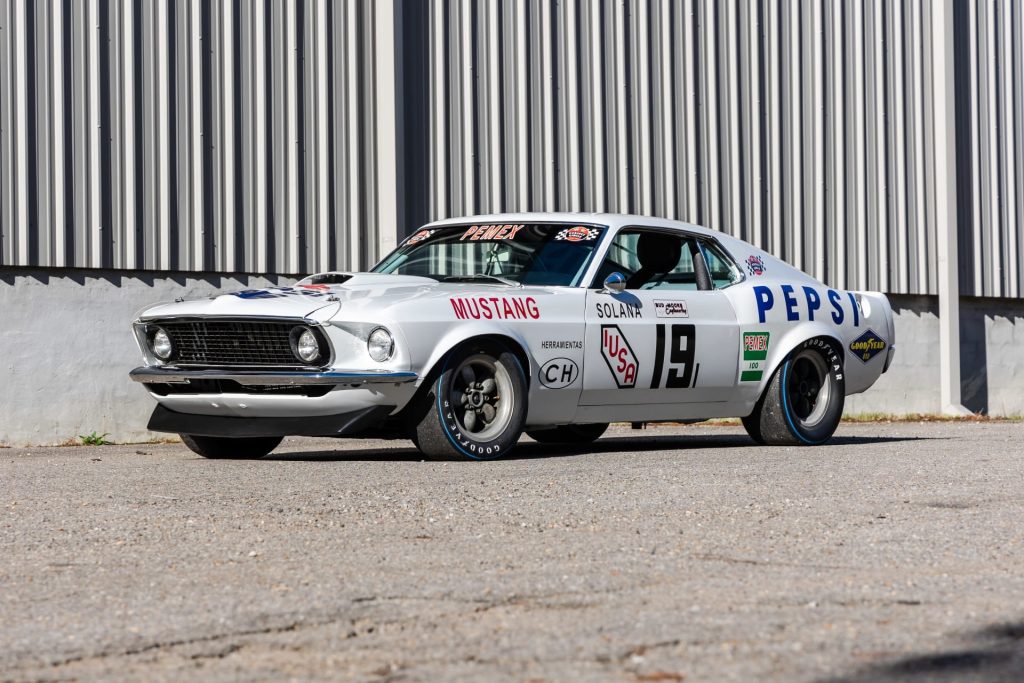
Handling
Period road tests consistently favored the Camaro’s suspension geometry. Magazines routinely praised the F-body’s balance and cornering compared to the Mustang’s slightly narrower track and more economy-car-based underpinnings.
The Mustang was still a Falcon underneath.
The Camaro was built to dance.
Racing
This is where the first-generation rivalry truly ignited:
Trans-Am:
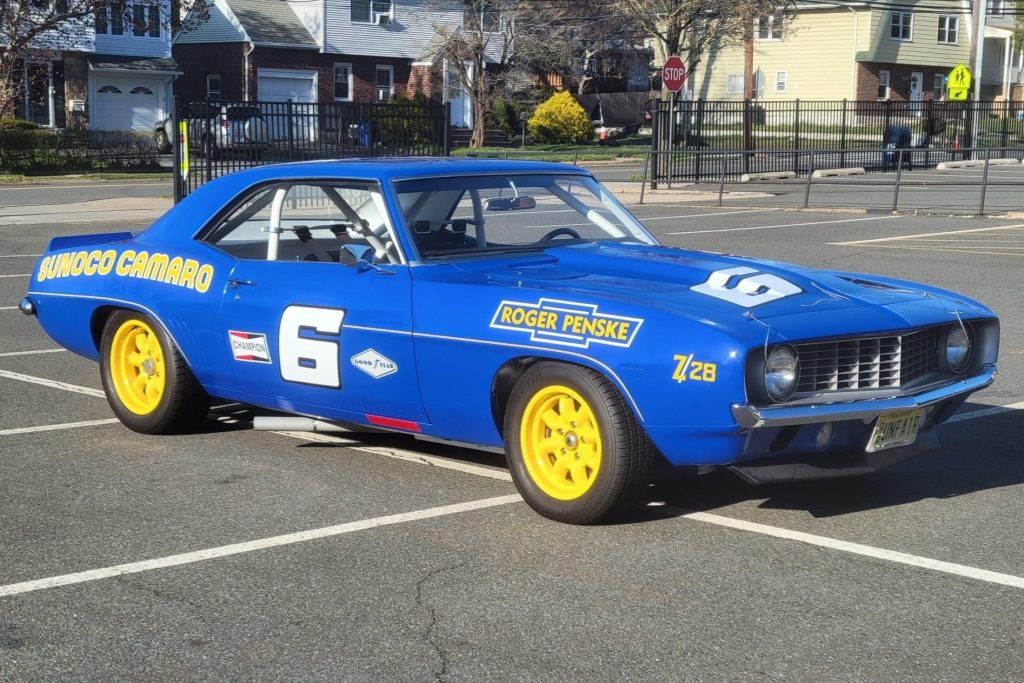
Ford’s Bud Moore Boss 302s and Chevy’s Penske/Sunoco Z/28s battled fiercely.
1968: Mark Donohue (Camaro)
1969: Mark Donohue (Camaro)
Camaro dominated the championship. Mustang won races, but Chevy took the trophies.Drag Racing:
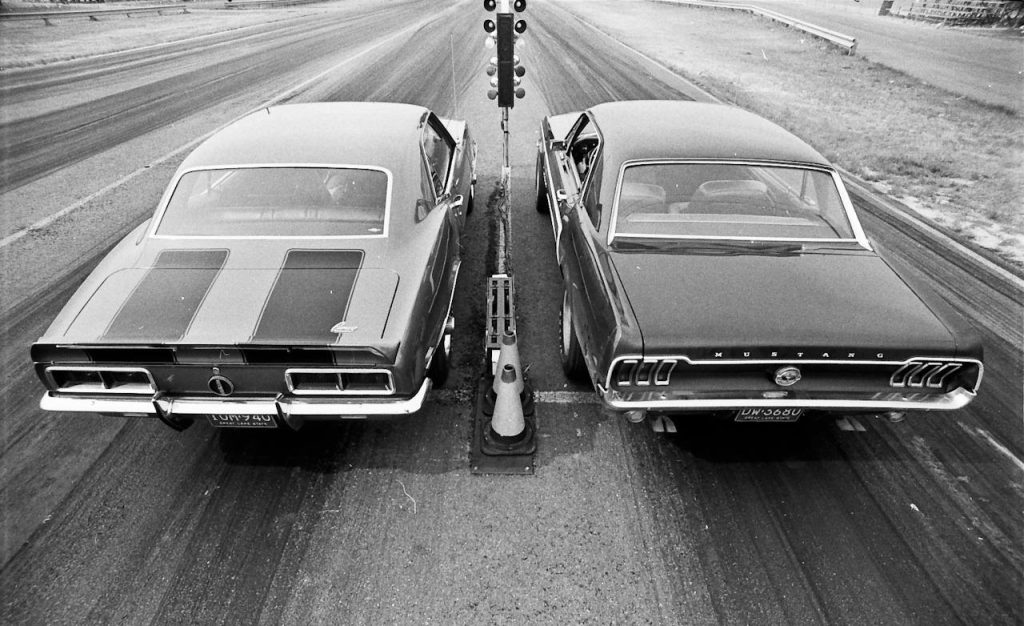
Big-block Camaros—especially the COPO 427 and Yenko 427 cars—were terrorizing strips across America.
Mustangs had strong Cobra Jets, but sheer numbers and consistent performance leaned Chevy’s way.
Sales
Mustang still outsold Camaro by a wide margin each year.
But sales aren’t performance. If they were, the minivan would be the fastest car in the world.
Advantage: Camaro
On track, on the street, and in performance prestige, Chevy took the fight to Ford and walked away with the momentum.
Round Three: The Golden Age Turns Wild (1970–1973)
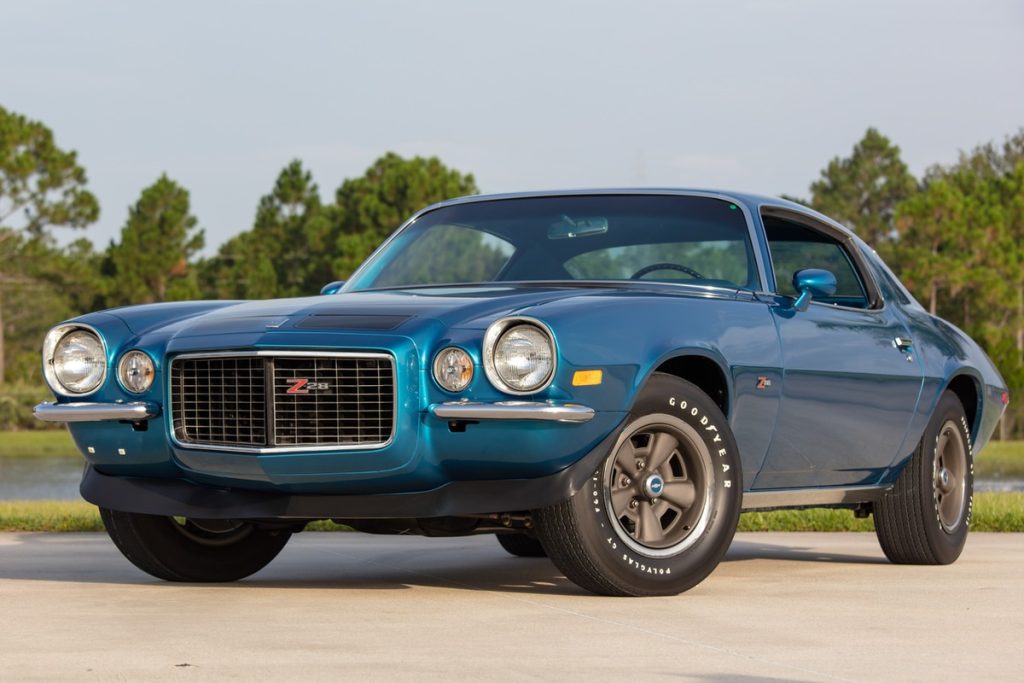
Second-Gen Camaro vs. 1971–73 Mustang
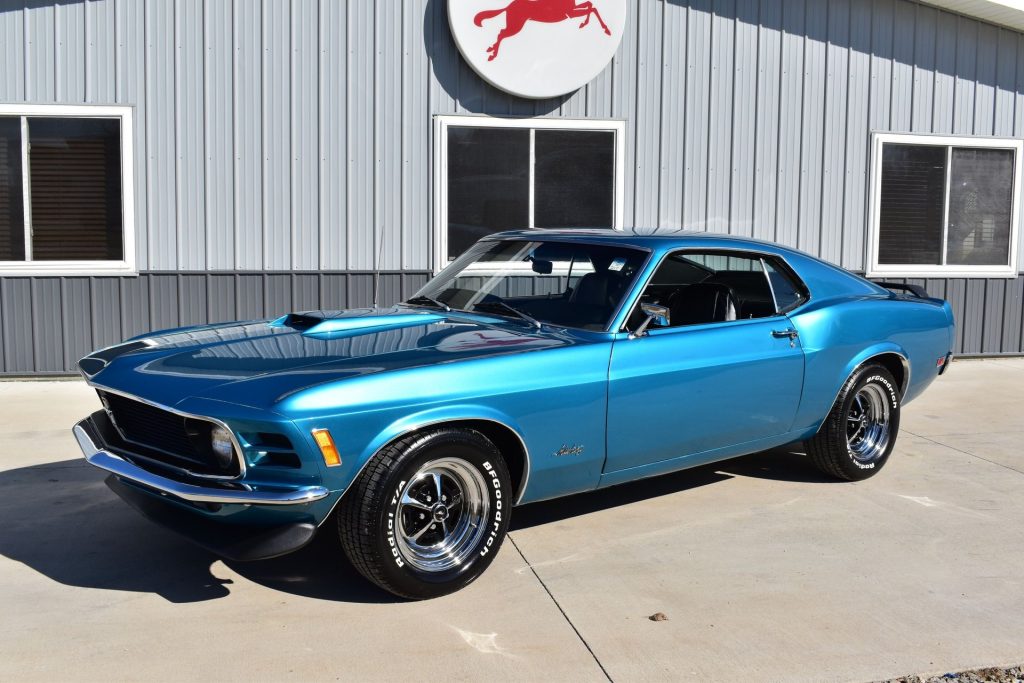
When the second-gen Camaro launched in 1970, it was longer, lower, wider, and far more European in style. Think Ferrari-inspired lines blended with American muscle. Meanwhile, Ford redesigned the Mustang for 1971—larger, heavier, and more luxury-oriented.
Styling & Design
Camaro:
Sleek fastback roofline
Aggressive stance
Minimalist interior
One of GM’s greatest designs of all time
Mustang:
Big, heavy, and less nimble
Moving toward personal luxury coupe territory
The Boss 351 was a standout, but the trend was evident
Performance
By now the insurance industry and emissions standards were choking horsepower everywhere. But at the beginning of the decade:
1970 Camaro:
LT-1 rated at 360 hp
SS396 options still strong
Z/28 very competitive on track and street
1971–73 Mustang:
Boss 351 (arguably the best small-block performance Mustang ever built)
429 Super Cobra Jet still available early
But rising weight and detuning hampered the lineup after ’71
Racing Presence
The second-gen Camaro platform proved so competent it dominated SCCA and road racing for years—even into the 1980s.
Mustang’s competition focus diminished after the 1970 season.
Advantage: Camaro
In design, handling, and motorsport relevance—Camaro had the stronger hand.
Round Four: The Malaise Years (1974–1981)
By 1974, the Mustang II replaced the traditional Mustang entirely. Downsized, Pinto-based, and focused on economy, the Mustang effectively stepped out of the ring.
Meanwhile, the Camaro—although detuned—kept the spirit alive:
V8 power remained
Z/28 returned in 1977
Special editions like the Rally Sport and Berlinetta maintained interest
Camaro became one of GM’s steady sellers through tough years
Mustang II simply wasn’t a competitor in the “pony car” sense.
Advantage: Camaro (knockout)
Ford left the battlefield. Chevy kept swinging.
So Who Really Won the First Round?
Well, that depends on how you want to look at it. There’s a few different ways and neither one is right or wrong there.
If the question is who created the class? → Mustang.
If the question is who dominated peak muscle-era performance? → Camaro.
If the question is who stayed true through the entire ’60s–’70s? → Camaro.
If the question is who sold more cars? → Mustang.
If the question is who had the better motorsport record? → Camaro (Trans-Am especially).
If the question is who has the more iconic 1960s design? → Tie (Camaro 1969 vs Mustang 1965–67).
If the question is who won the rivalry overall? → Depends on what you value.
But if we define the “first round” as 1967–1973, the years where both models competed head-to-head in their pure muscle form…
The Camaro won the first round.
Chevy built the stronger platform, won the big races, and delivered some of the most revered performance models of the era. Mustang won hearts and broke sales records, but Camaro won battles.
And in the streets, at the dragstrip, and in the SCCA paddock, that’s what really mattered.
If you need any help or parts for your classic Camaro, be sure to hop on SS396.com or give our friendly techs a call at (203) 235-1200!