What does F40, F41, or FE2 even mean? In short, those are RPO codes for suspension within the A-Body platform.
When people talk about improving handling on a classic GM A-body(Chevelle, GTO, Cutlass, Skylark) the conversation almost always jumps straight to aftermarket parts such as bigger sway bars, coilovers, tubular control arms or modern shocks.
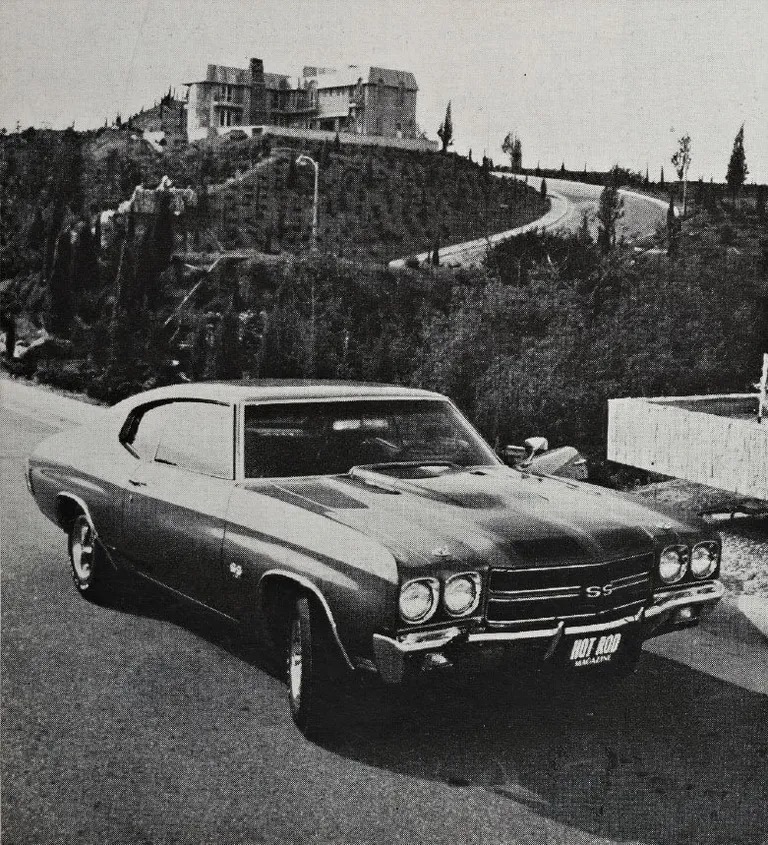
But long before any of that existed, GM already knew these cars needed help, and they addressed it through factory handling and suspension packages. The problem is that decades later, those packages are often misunderstood, misidentified, or treated as interchangeable when they absolutely were not.
Between 1964 and 1972, GM used several option codes to define how an A-body was sprung, damped, and stabilized from the factory. The most commonly discussed are F40, F41, and FE2. Each had a different purpose, and each produced a very different driving experience.
The Baseline: Standard A-Body Suspension and Why These Packages Existed
To understand the handling packages, you first have to understand what a base A-body was.
A standard 1964–1972 A-body suspension was designed around:
-
Comfort
-
Cost control
-
Wide customer appeal
That meant:
-
Soft coil springs
-
Light shock valving
-
Minimal sway bar use (often front-only, small diameter)
-
Significant body roll
-
Safe but slow steering response
This worked fine for commuting and highway cruising, but once engines got bigger and tires got wider, the chassis quickly became the limiting factor. GM knew buyers wanted more control, especially on performance models like a Super Sport, so they created tiered suspension options rather than a single “sport” setup.
F40: Heavy-Duty Suspension (The Foundation)
F40 was the most basic step up from the standard suspension, and it’s often misunderstood as a performance package. It wasn’t.
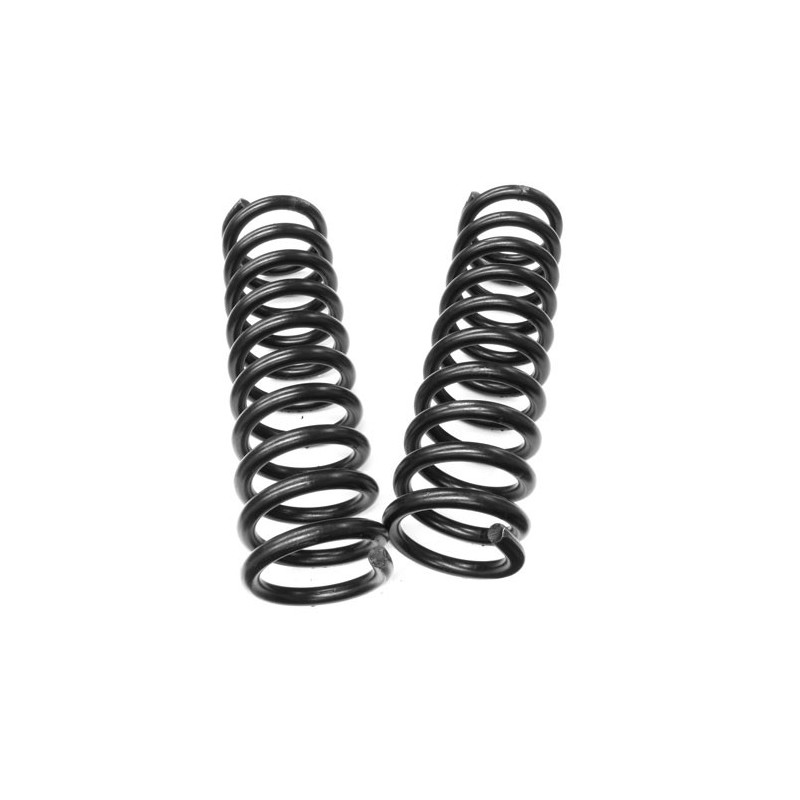
F40 was a heavy-duty suspension, not a handling package. It was intended for:
-
Cars with big engines
-
Cars with air conditioning
-
Cars expected to carry more weight or see harder use
While exact contents varied slightly by year and division, F40 generally included:
-
Stiffer front and rear coil springs
-
Heavy-duty shock absorbers
-
Often a slightly larger front sway bar
-
No rear sway bar in many applications
An A-body with F40 Suspension Will:
-
Feel firmer than base suspension
-
Control bounce better
-
Still exhibit noticeable body roll
-
Does not dramatically change cornering behavior
F40 was about durability and load control, not agility. Think of it as the suspension equivalent of a heavy-duty cooling system. It’s better than stock, but it doesn’t make the car sporty.
F41: Special Performance Suspension (The Real Handling Package)
If there is one factory option that actually deserves the word handling, it’s F41.
F41 existed to:
-
Reduce body roll
-
Improve transient response
-
Increase driver confidence in corners
-
Complement performance engines and tires
This was GM acknowledging that horsepower without control wasn’t enough.
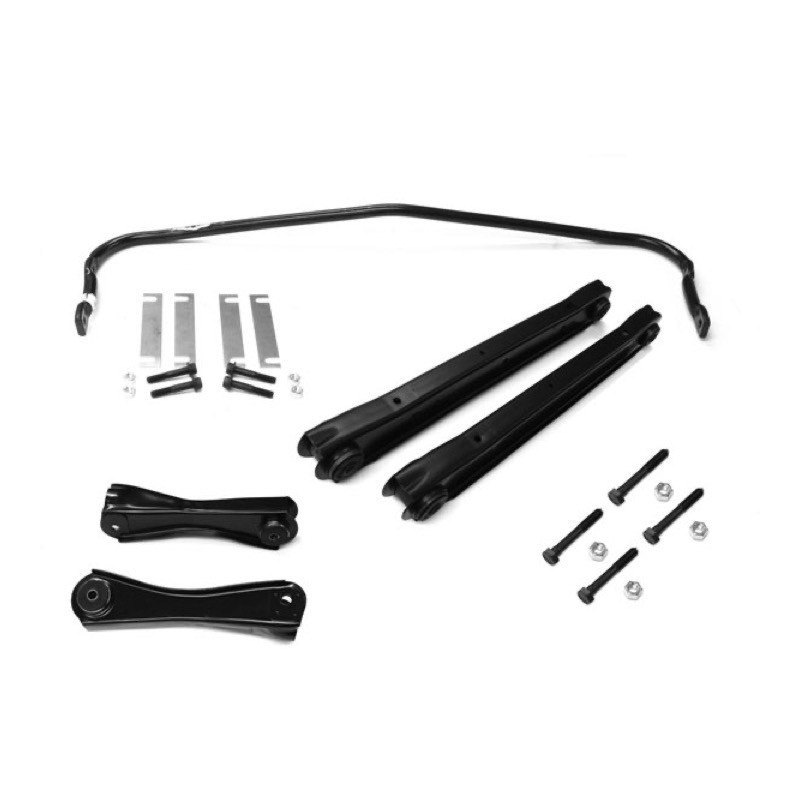
Typical F41 components (1964–1972)
Again, details varied by year, but F41 generally included:
-
Higher-rate front and rear springs
-
Performance-valved shocks
-
Larger front sway bar
-
Rear sway bar (this is the most important upgrade)
-
Revised suspension bushings in some years
The addition of a rear sway bar is about the biggest upgrade. It dramatically changes how an A-body behaves by:
-
Reducing understeer
-
Improving balance
-
Making the car feel more neutral in transitions
Compared to base or F40 suspension, F41 cars:
-
Corner flatter
-
Respond quicker to steering input
-
Feel more stable at speed
-
Still ride acceptably for street use
This is the suspension package that made cars like the GTO, SS Chevelle, and 442 feel legitimately sporty for their era. F41 is the first factory A-body suspension that truly prioritizes handling over comfort.
FE2: Ride and Handling Package (The Late-Game Evolution)
By the late 1960s and into the early 1970s, GM began refining how it labeled suspension options. That’s where FE2 comes in. FE2 is best thought of as GM’s evolved “ride and handling” tuning, often replacing or supplementing earlier codes depending on year and division.
Rather than being strictly about stiffness, FE2 focused on:
-
Balance
-
Predictability
-
Improved control without excessive harshness
An FE2-equipped A-body generally included:
-
Tuned spring rates (not always the stiffest available)
-
Improved shock valving
-
Front sway bar (often similar to F41)
-
Rear sway bar in performance applications
-
Slightly more refined ride than F41 in some cases
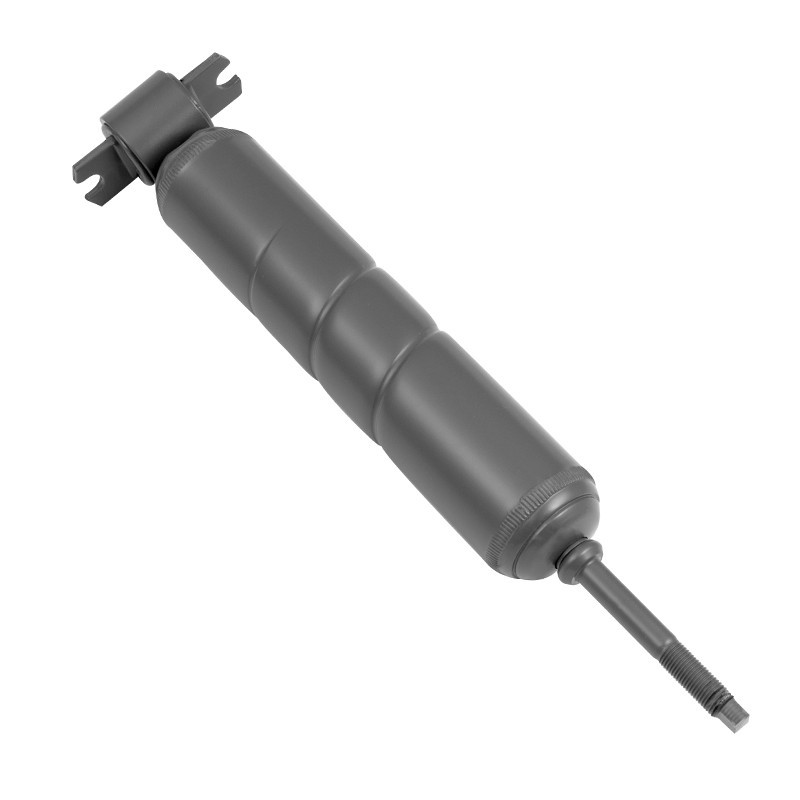
FE2 cars tend to:
-
Feel more composed than earlier F41 setups
-
Ride better on imperfect roads
-
Maintain good cornering control without feeling crude
This reflects GM learning from years of real-world feedback. FE2 wasn’t about making the car harsh, it was about making it usable and giving the driver confidence in cornering.
Side-by-Side Summary
| Package | Primary Goal | Rear Sway Bar | Handling Focus |
|---|---|---|---|
| F40 | Load control | Usually no | Minimal |
| F41 | Performance handling | Yes | Aggressive (for the era) |
| FE2 | Balanced ride & handling | Often | Refined control |
Factory handling packages weren’t marketing fluff. They were GM’s attempt to tame a heavy, powerful platform using the tools available at the time.
- F40 laid the groundwork
- F41 delivered true performance intent
- FE2 refined the formula
If you’re building a 1964–1972 A-body that’s meant to be driven and not not just admired, those lessons are still relevant today.
Modern upgrades work best when they follow the same philosophy: balance first, stiffness second.
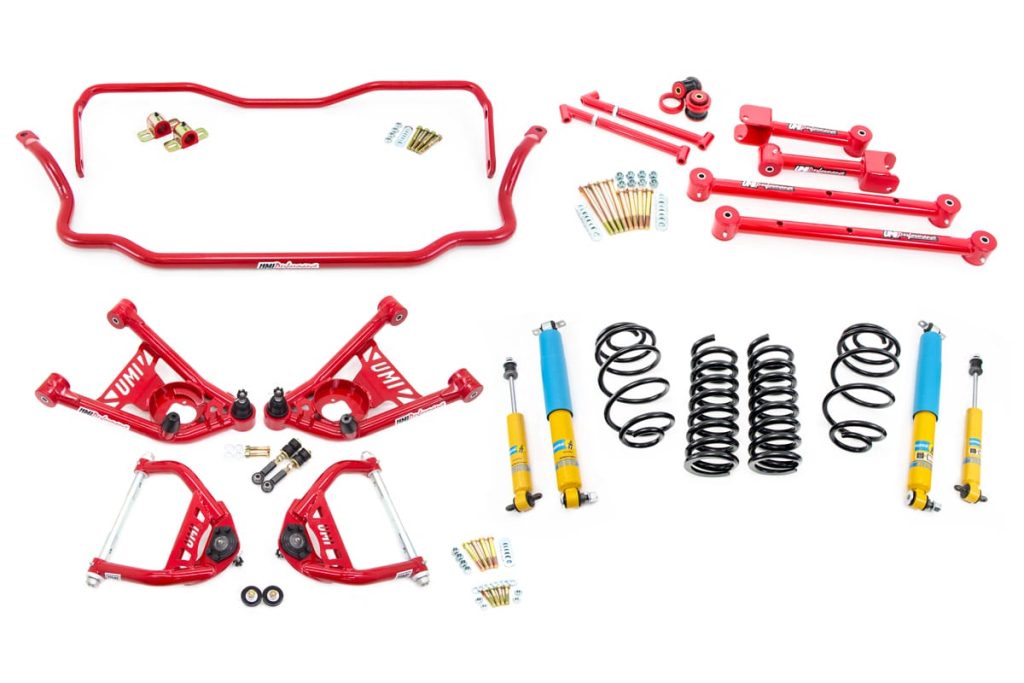
While these suspension packages are a great improvement over the bone-stock Chevelle suspension, they don’t hold a flame compared to newer suspension. New suspension from companies like Detroit Speed and UMI Performance offer suspension improvements the factory could only dream of. Their suspension changes the geometry, offers rigidity yet a smooth ride, and works as a complete package.
If you’re wanting to upgrade the suspension on your Chevelle or GM A-Body, give our friendly techs a call at (203) 235-1200 or hop on SS396.com!