In the 1980s, American performance didn’t look like it had in the decades before. Big-blocks were gone, compression ratios were down, and emissions rules had rewritten the playbook. Yet somehow, in the middle of an era often dismissed as performance’s dark age, a group of midsize GM cars quietly rose to dominate the streets. Built on the G-body platform, cars like the Buick Grand National, Chevrolet Monte Carlo SS, and Oldsmobile 442 didn’t just survive the decade, they defined it.
These cars became street kings not because they followed the old muscle car formula, but because they adapted. They embraced aerodynamics, torque curves, gearing, and eventually, forced induction. That adaptability is exactly why they’ve stayed relevant long after the neon lights and synth soundtracks of the ’80s faded away.
The G-Body Platform: An Unlikely Performance Foundation
GM’s G-body platform was never intended to be legendary. Introduced in the late 1970s, it was a lightweight, body-on-frame design meant to serve as a flexible foundation for family coupes, luxury cruisers, and fleet vehicles. Compared to earlier A-body muscle cars, the G-body was smaller, lighter, and more refined.
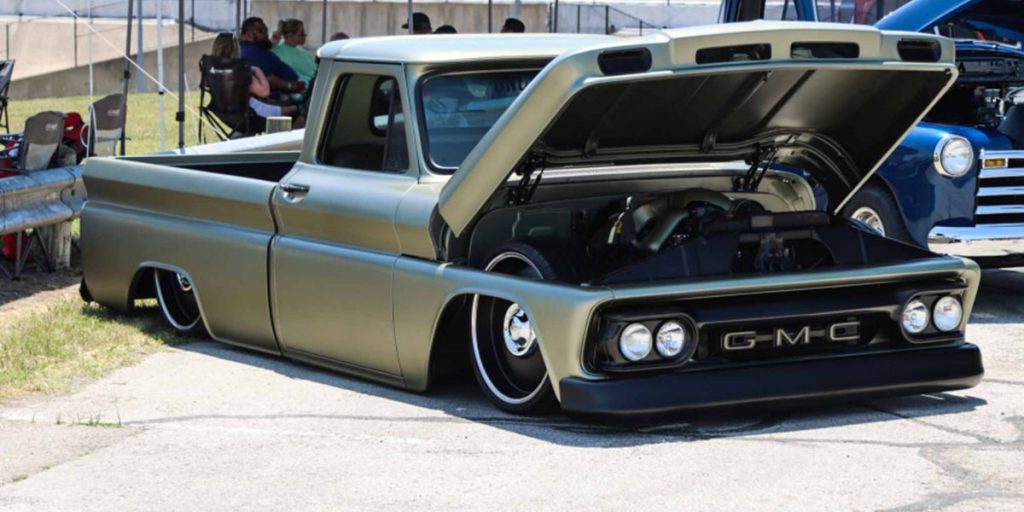
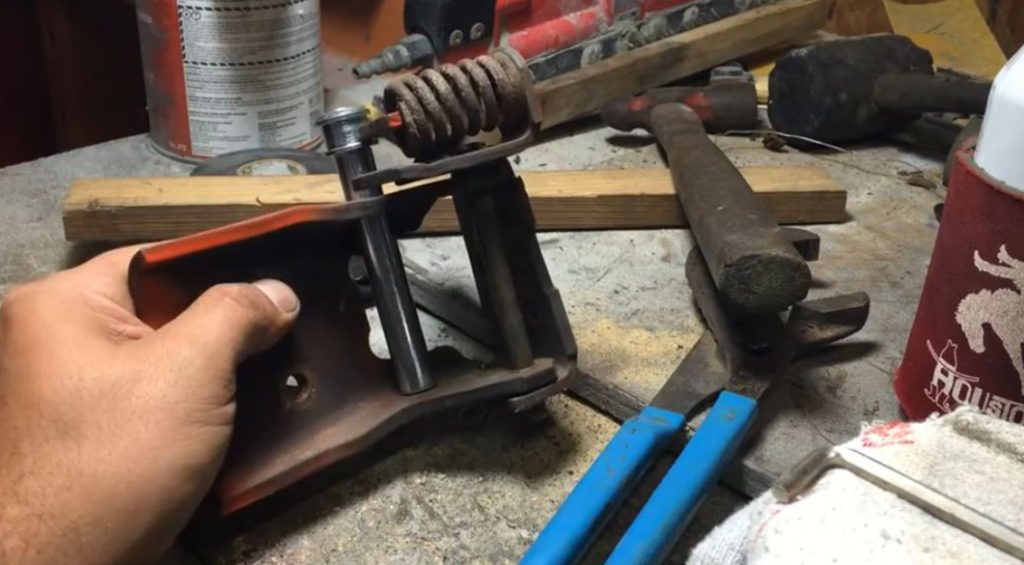
G-Bodies have excellent weight distribution, roomy engine bays, and simple suspension layouts that responded well to modification. They are easy to work on, affordable to buy, and plentiful. For street racers and weekend builders, that combination mattered more than raw factory horsepower numbers.
Buick Grand National: The Car That Changed the Rules
No G-body wears the crown quite like the Buick Grand National. At a time when V8s were struggling to crack 200 horsepower, Buick went all-in on turbocharging. The intercooled 3.8L V6 wasn’t just competitive—it was dominant. By the mid-1980s, the Grand National was embarrassing Corvettes, Camaros, and Mustangs in real-world street races.
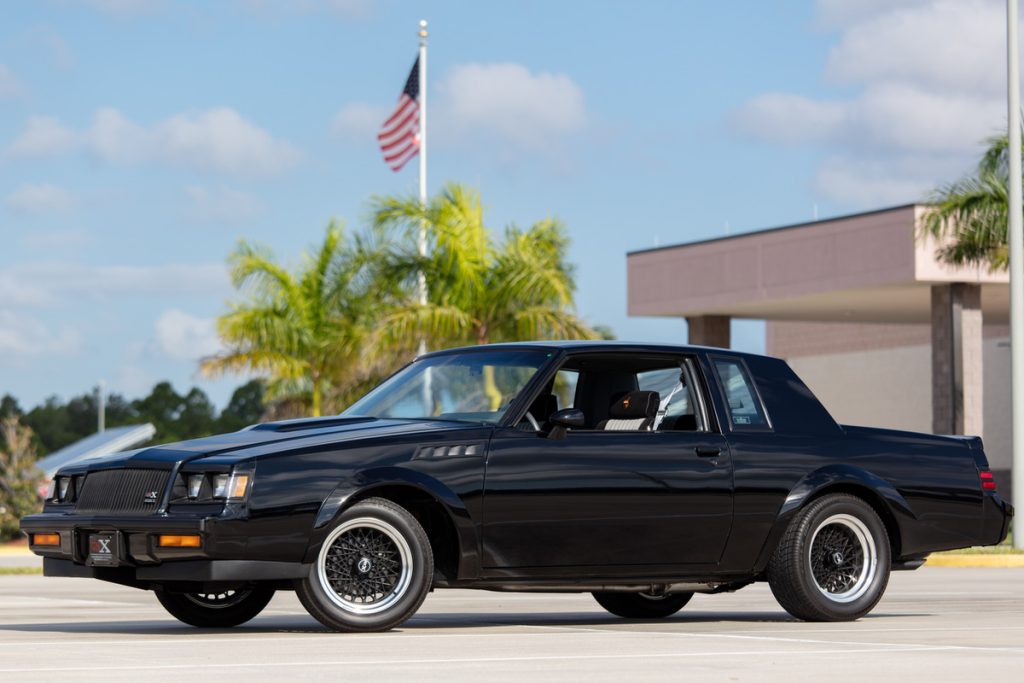
What made the Grand National special wasn’t just speed, but how it delivered it. Massive low-end torque, quick-spooling boost, and conservative factory tuning made it brutally effective in stoplight battles. The understated blacked-out appearance only added to its reputation. This was a car that didn’t need stripes or spoilers to prove a point. It simply walked away from challengers.
Even today, the Grand National remains relevant because its architecture was decades ahead of its time. Turbocharged engines scale incredibly well with modern fuel systems, engine management, and intercooling. A stock long-block Grand National with modern tuning and bolt-ons can make power levels that were unthinkable in the 1980s while retaining street manners that modern performance cars still chase.
Monte Carlo SS: NASCAR Style Meets Street Swagger
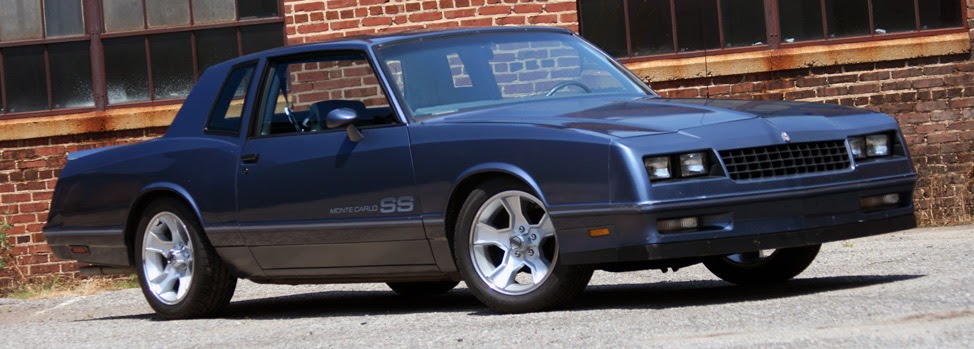
The Monte Carlo SS earned its street credibility differently. Born from Chevrolet’s involvement in NASCAR, the SS package emphasized aerodynamics, handling, and visual aggression. The sloped nose, rear spoiler, and bold graphics weren’t just cosmetic, they were functional at speed.
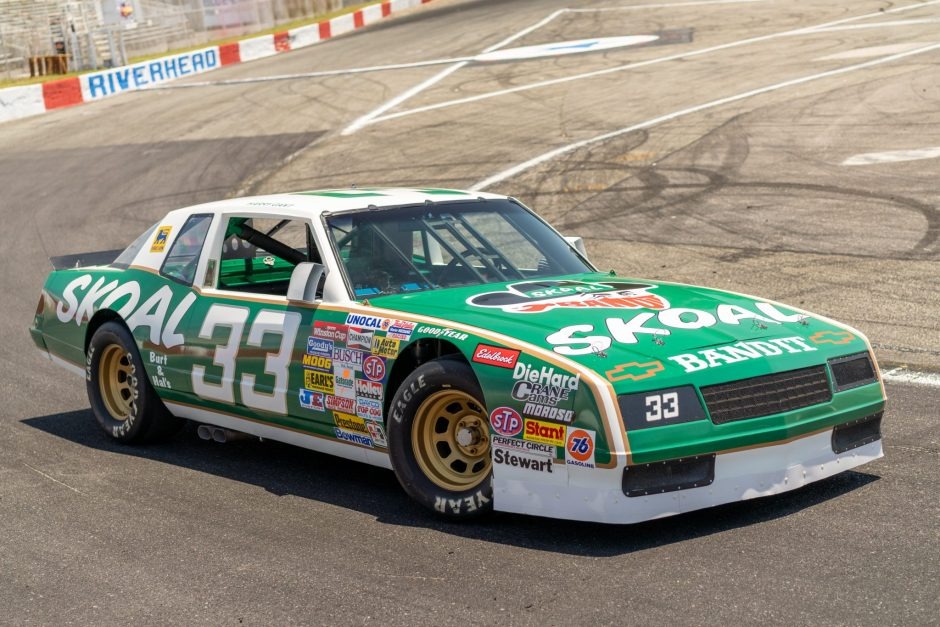
On the street, the Monte SS was about presence. It looked fast standing still, and with the right gears and tuning, it could run hard enough to back it up. While factory horsepower numbers were modest, the small-block Chevy under the hood was endlessly upgradeable. That mattered more than dyno sheets.
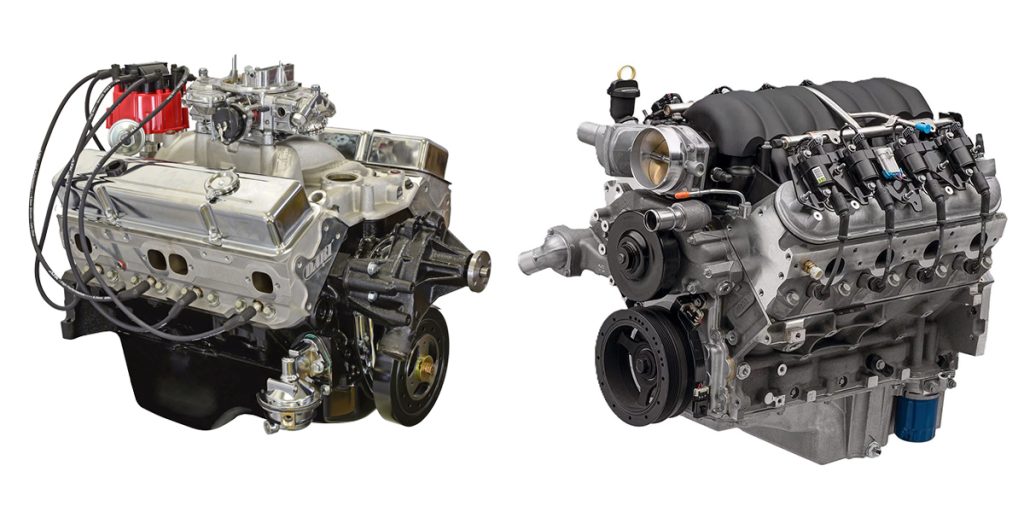
The Monte Carlo SS stayed relevant because it became a canvas. Builders could take advantage of GM small-block compatibility, drop in everything from carbureted crate motors to modern fuel-injected LS engines, and completely transform the car without cutting it apart. Few platforms accept power upgrades as naturally as a G-body Monte, and that flexibility has kept them at the center of the restomod movement.
Oldsmobile 442: The Torque-First Bruiser
The 442 name carried serious muscle car heritage into the 1980s, and while the era forced compromises, the spirit never fully disappeared. Oldsmobile leaned into torque, gearing, and drivability rather than high-rpm horsepower. The result was a car that felt strong in everyday driving, even if it didn’t chase peak numbers.
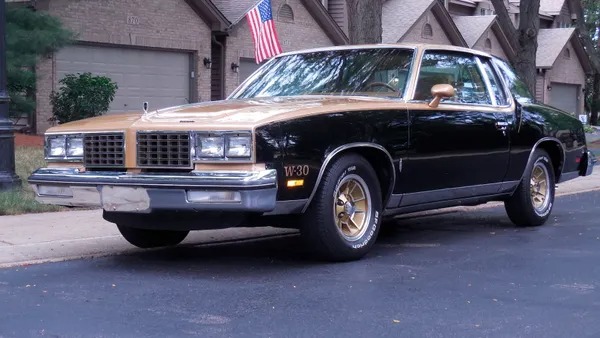
On the street, that mattered. These cars moved with authority, especially in real-world roll races and part-throttle acceleration. The 442 also brought a more mature personality to the G-body lineup—less flashy than the Monte SS, less sinister than the Grand National, but no less capable in the hands of the right driver.
Today, the 442’s relevance comes from balance. Modern suspension upgrades, improved braking systems, and contemporary drivetrain swaps transform the car into something far more capable than it ever was from the factory. Builders who appreciate understated performance gravitate toward these cars for exactly that reason.
Why They Were and Still Are The Street Kings
The G-body cars dominated the streets because they matched the era perfectly. They were lighter than earlier muscle cars, easier to modify than imports, and cheaper than European performance machines. They responded to gears, converters, suspension tuning, and power adders in ways that rewarded hands-on builders.
Staying Relevant in a Modern Performance World
What’s remarkable is how well these cars translate into the modern era. With today’s aftermarket support, a G-body can be transformed into a genuinely capable performance machine. Modern coilover suspension systems correct the factory geometry issues. Big brake kits bring stopping power in line with contemporary sports cars. Overdrive transmissions and modern converters make highway cruising effortless.
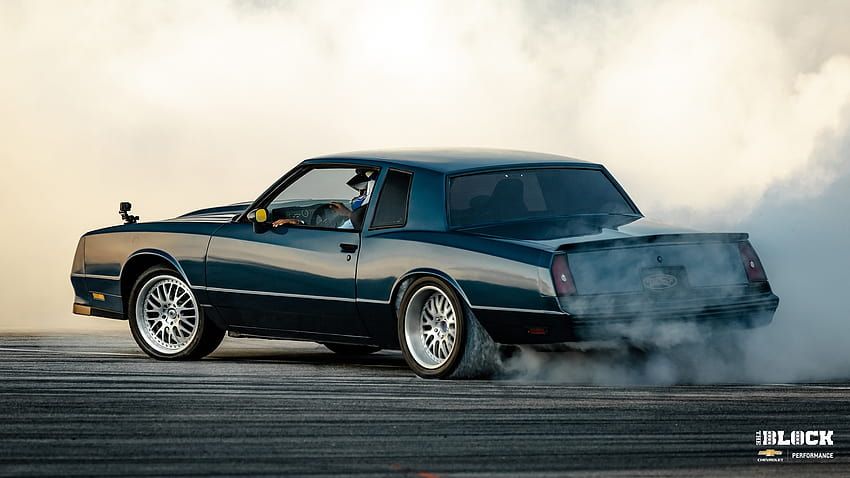
Engine swaps have extended their life even further. LS-based drivetrains offer fuel efficiency, reliability, and power density that align perfectly with the G-body chassis. Turbocharged and supercharged setups push performance far beyond factory limitations while retaining street manners.
Most importantly, these cars still feel mechanical and connected in a way modern vehicles often don’t. There’s no digital filter between driver and machine. That analog experience is a huge part of why they remain desirable.
The Legacy of the G-Body Era
The G-body legends proved that performance doesn’t die, it evolves. In an era defined by regulation and compromise, these cars found new ways to win. They taught a generation of enthusiasts that torque, tuning, and real-world drivability mattered more than brochure numbers.
Today, the Grand National, Monte Carlo SS, and 442 aren’t just nostalgia pieces. They’re living platforms, still being raced, modified, and driven hard. They bridge the gap between classic muscle and modern performance in a way few cars ever have.
If you need any parts for your G-Body, hop on SS396.com or give our friendly techs a call at (203) 235-1200!