Understanding the 8.2, 8.5, and 12-Bolt Rear Ends
Few components in a classic GM car affect its personality more than the rear axle. Gear ratio, carrier type, and axle strength all determine how a car launches, cruises, and survives hard use.
From factory muscle cars to street-driven restomods, GM relied primarily on three rear axle families throughout the 1960s, ’70s, and into the G-body era: the 8.2-inch, 8.5-inch, and the legendary 12-bolt.
GM Rear Axle Families Explained
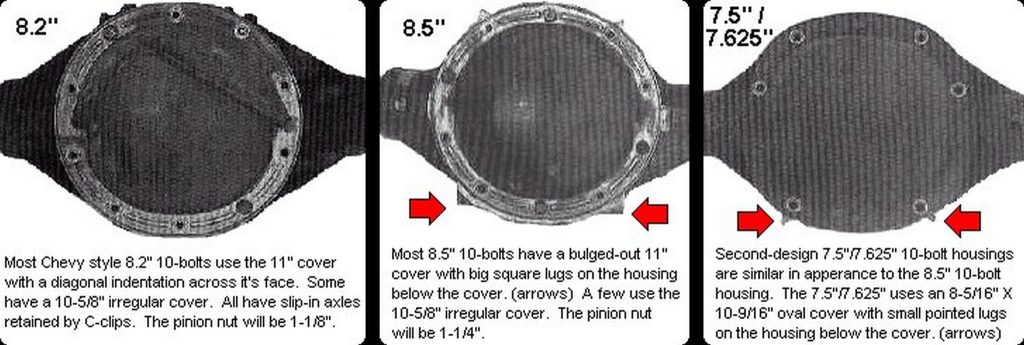
8.2-Inch (10-Bolt)
The GM 8.2 was widely used in the mid-1960s through early 1970s, especially in Camaro, Nova, Chevelle, and Firebird platforms. While commonly called a “10-bolt,” the key identifier is the 8.2-inch ring gear.
This axle came in both Chevrolet-specific and BOP (Buick/Olds/Pontiac) versions, which are not interchangeable. Strength-wise, the 8.2 is fine for mild street cars and factory small-block power levels, but it’s not ideal for hard launches or modern sticky tires.
Typical factory gear ratios ranged from economy-friendly highway gears to performance ratios paired with limited slips in SS, Z/28, and performance packages.
8.5-Inch (10-Bolt)
The 8.5-inch 10-bolt replaced the 8.2 in most GM platforms starting in the early 1970s and became the workhorse axle through the G-body era (1978–1988).
Despite still having 10 bolts on the cover, the 8.5 is significantly stronger than the 8.2 and is capable of handling moderate performance builds, especially when upgraded with modern axles and carriers.
For street cars, autocross builds, and mild drag applications, the 8.5 is often the best balance of strength, availability, and aftermarket support.
12-Bolt
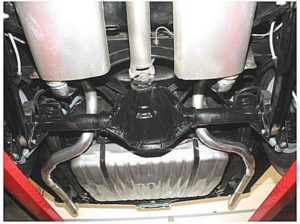
The GM 12-bolt is the gold standard for classic Chevrolet muscle cars. Used primarily in high-performance Camaros, Chevelles, Novas, and some wagons and trucks, the 12-bolt features a massive ring gear and thick axle tubes.
Factory 12-bolts were commonly paired with aggressive gear ratios and Positraction units and remain highly sought after today. For serious horsepower, drag racing, or big-torque engines, the 12-bolt remains a proven solution.
How to Identify Your GM Rear Axle
The absolute easiest way to tell the difference between a 10-bolt and a 12-bolt rear is to count the amount of bolts holding the cover on the differential. But if you want to know more as far as gear ratios or if it has limited slip, you’ll need to dig a bit further.
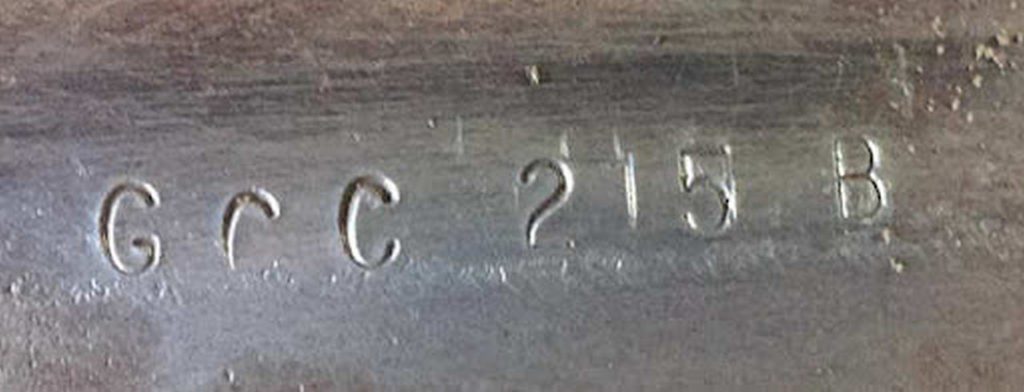
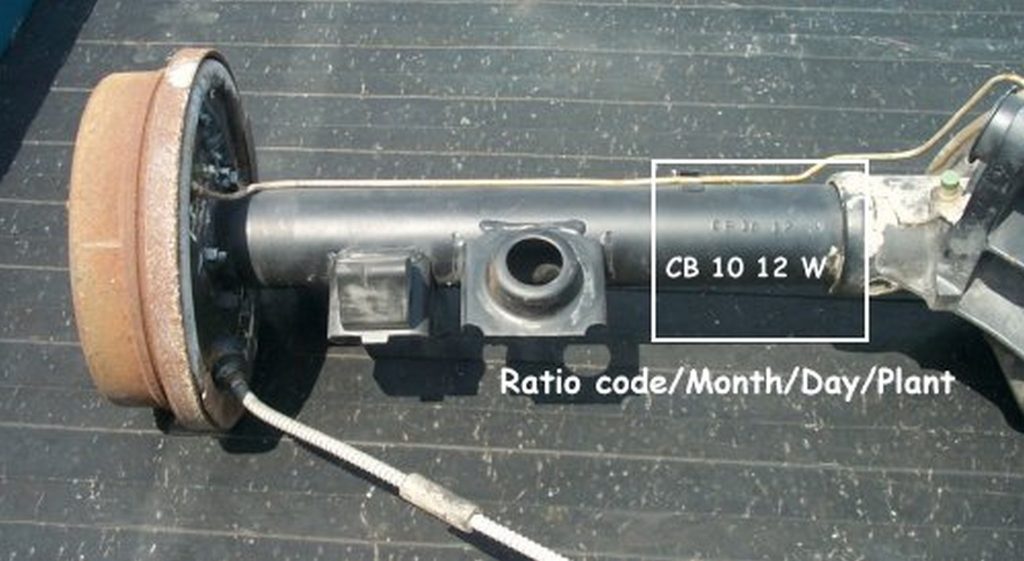
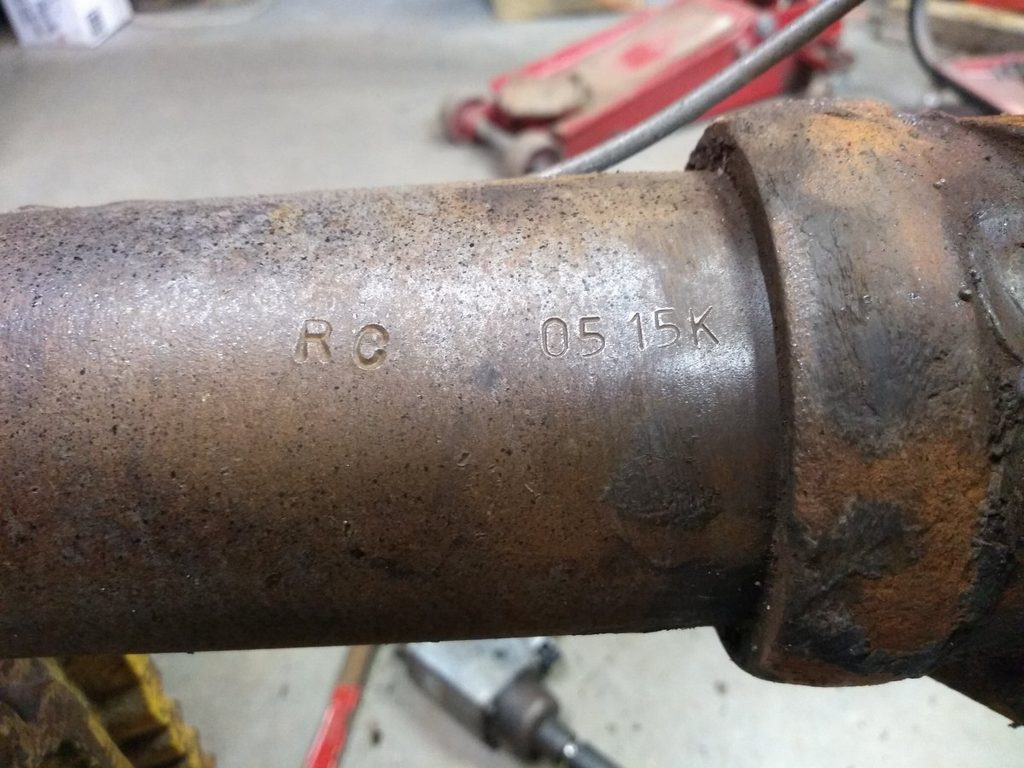
GM rear ends are typically identified using a two-letter axle code stamped on the axle tube (usually driver-side, forward-facing) along with a build date.
For example you might find something that looks like this “BU 0315.”
This tells you:
BU = axle type & gear ratio
03 15 = March 15 build date
1970 Chevelle Rear Axle Codes
Here’s a list of axle codes for the 1970 Chevelle. The best source for finding out what the codes mean on your rear is to consult with a GM Assembly Manual or GM Service Manual. These codes can differ or be reused from year-to-year.
| CCA | 3.08:1 ~ 10-bolt (L14/307 & L22/250)* |
| CCB | 3.36:1 ~ 10-bolt |
| CCD | 3.07:1 ~ 12-bolt Positraction |
| CCE | 3.08:1 ~ 10-bolt Positraction |
| CCF | 3.31:1 ~ 12-bolt Positraction (L34/402 & L48/350-4)* |
| CCG | 3.36:1 ~ 10-bolt Positraction |
| CCH | 2.73:1 ~ 12-bolt Positraction (L48/350-4)* |
| CCL | 2.56:1 |
| CCM | 2.56:1 ~ Positraction |
| CCN | 2.56:1 |
| CCO | 2.56:1 ~ Positraction (El Camino L34/396)* |
| CCP | 2.73:1 ~ 10-bolt (L14/307)* |
| CCW | 3.31:1 ~ 12-bolt (L34/402 & LS3/402 M.C.)* |
| CCX | 3.07:1 ~ 12-bolt |
| CGA | 2.56:1 ~ 10-bolt (L65/350-2)* |
| CGB | 2.56:1 ~ 10-bolt Heavy Duty Positraction (L65/350-2)* |
| CGC | 2.73:1 ~ Heavy Duty |
| CGD | 2.73:1 ~ Heavy Duty Positraction |
| CGE | 3.08:1 ~ 10-bolt Heavy Duty |
| CGF | 3.08:1 ~ 10-bolt Heavy Duty Positraction |
| CGG | 3.36:1 ~ 10-bolt Heavy Duty |
| CGI | 3.36:1 ~ 10-bolt Heavy Duty Positraction |
| CKC | 2.73:1 ~ Positraction |
| CKD | 2.73:1 ~ 12-bolt (L48/350-4 & LS3/402)* |
| CKF | 3.55:1 ~ 12-bolt Positraction (L78)* |
| CKJ | 3.55:1 ~ 12-bolt (L78/402)* |
| CKK | 4.10:1 ~ 12-bolt Positraction (L78/402)* |
| CRJ | 2.56:1 |
| CRK | 2.56:1 ~ 12-bolt Positraction (Monte Carlo LS5/454)* |
| CRL | 3.07:1 ~ 12-bolt |
| CRM | 3.07:1 ~ 12-bolt |
| CRU | 3.31:1 ~ 12-bolt (LS5/454 & LS6/454)* |
| CRV | 3.31:1 ~ 12-bolt Positraction (LS5/454 & LS6/454)* |
| CRW | 4.10:1 ~ 12-bolt Heavy Duty (LS6/454)* |
Chevelles received some of the most aggressive factory gearing, especially in SS396 and LS-powered cars. For a complete list of all Chevelle rear end codes, visit ChevelleStuff.net
Upgrading a Factory GM Rear Axle
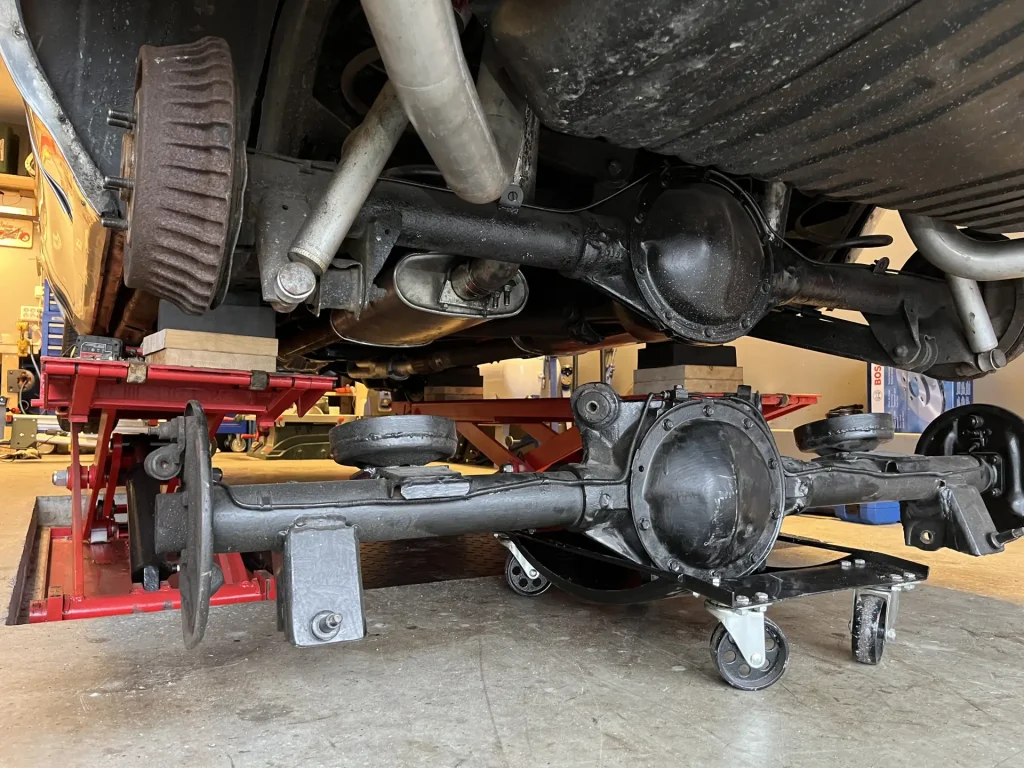
For most street-driven classics, upgrading the carrier, axles, and gears makes far more sense than swapping entire housings. Modern limited-slip units, better bearings, and changing the gear ratio can change the driving feel.
If you’re making under 500 hp, a properly built 8.5-inch rear will live a long, happy life. Beyond that, a 12-bolt or aftermarket housing becomes the smarter move.
Choosing the Right Gear Ratio
Gear ratio choice affects acceleration, cruising RPM, fuel economy, and drivability more than almost any other drivetrain change.
2.73–3.08 Gears
Ideal for highway cruising, overdrive transmissions, and long-distance driving. These gears keep RPM low and fuel economy decent—but they soften acceleration.
Best for: Daily drivers, road trips, overdrive automatics
3.23–3.42 Gears
The sweet spot for most street cars. Strong acceleration without sacrificing comfort, especially with a TH350, TH400, or 4-speed manual.
Best for: Street performance, mild cams, classic muscle feel
3.55–3.73 Gears
Now you’re in performance territory. These gears wake the car up off the line but increase cruise RPM. Overdrive becomes very helpful here.
Best for: Street/strip builds, aggressive cams, weekend cars
4.10 and Higher
Pure performance gears. Fantastic acceleration, brutal at highway speeds without overdrive.
Best for: Drag racing, autocross, lightweight builds
If you’re needing any parts for swapping rear ends, or need help figuring out what rear end you have, give our friendly techs a call at (203) 235-1200 or hop on SS396.com!